How to Choose the Right Power Transformer in 5 Steps

August 26, 2026
By EB Horsman & Son
How do you choose the right power transformer for an electrical project? You’ll need to know your project’s calculated load, supply voltage, phase, and required output voltage. Also consider the transformer’s kVA rating, winding material, enclosure, and installation requirements.
For larger projects, the right solution is often a general-purpose, low-voltage distribution commercial transformer designed to supply lighting, HVAC, small-power distribution, and other building systems.
Hammond Power Solutions offers commercial transformers in a wide range of common voltages, phases, and kVA ratings – and you can find them right here at EB Horsman & Son.
Step 1: To choose a power transformer, start with load
A general-purpose transformer may be a good fit for common lighting, heating, HVAC, and building-distribution loads. However, commercial equipment that produces significant harmonics, operates in an adverse environment, or has unusually high starting current may need a more specialized option.
For example, Hammond recommends K-factor-rated transformers for non-linear loads that generate harmonic distortion.
For environments with conductive, combustible, or corrosive dust, dirt, or other airborne materials, a totally enclosed non-ventilated transformer may be more appropriate.
Understanding the load first helps you choose the right transformer category before comparing individual models.
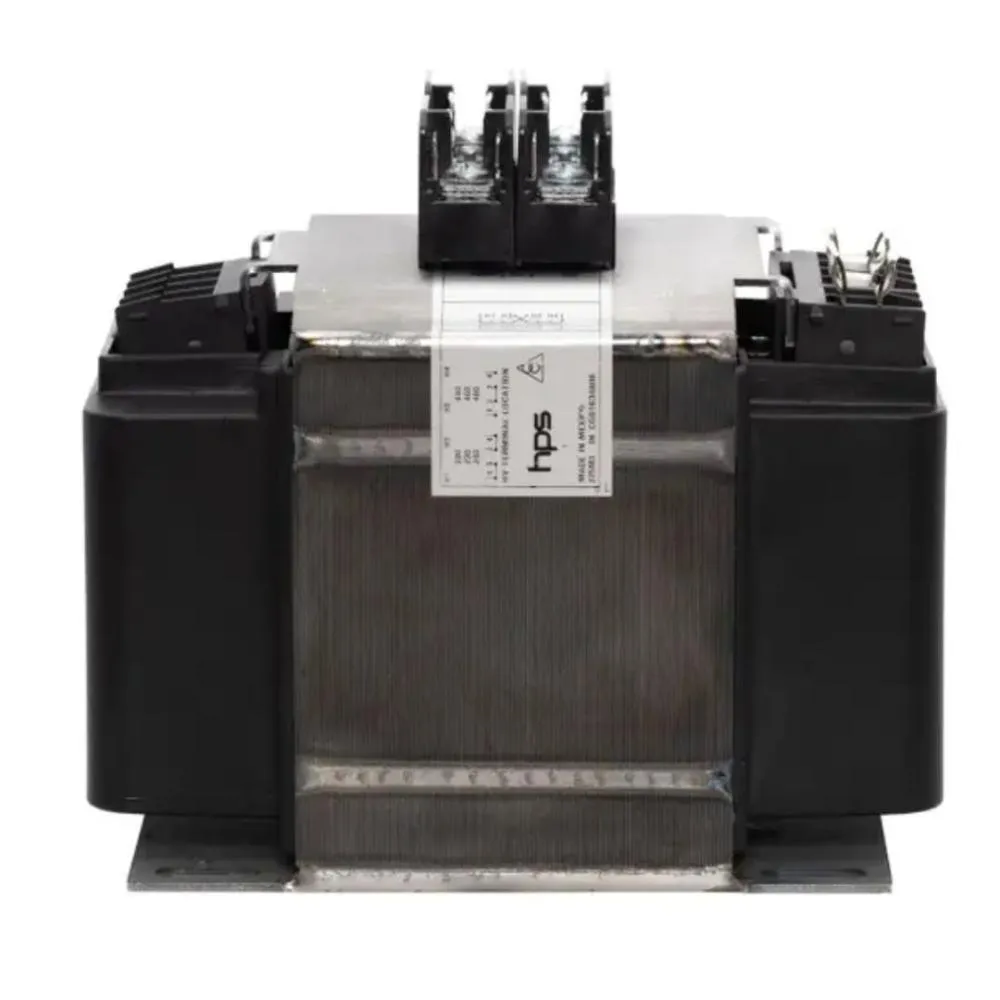
Step 2: Confirm the voltage and phase
Next, confirm your incoming supply voltage, the required output voltage, and whether the system is single-phase or three-phase.
- The primary voltage is the voltage entering the transformer.
- The secondary voltage is what the transformer delivers to the connected system or equipment.
Both need to align with the project design, including any delta or wye configuration requirements.
Phase also needs to match the incoming supply and the connected load. Single-phase transformers are often used for lighting, receptacles, and other smaller distribution loads, while three-phase transformers commonly support larger commercial systems.
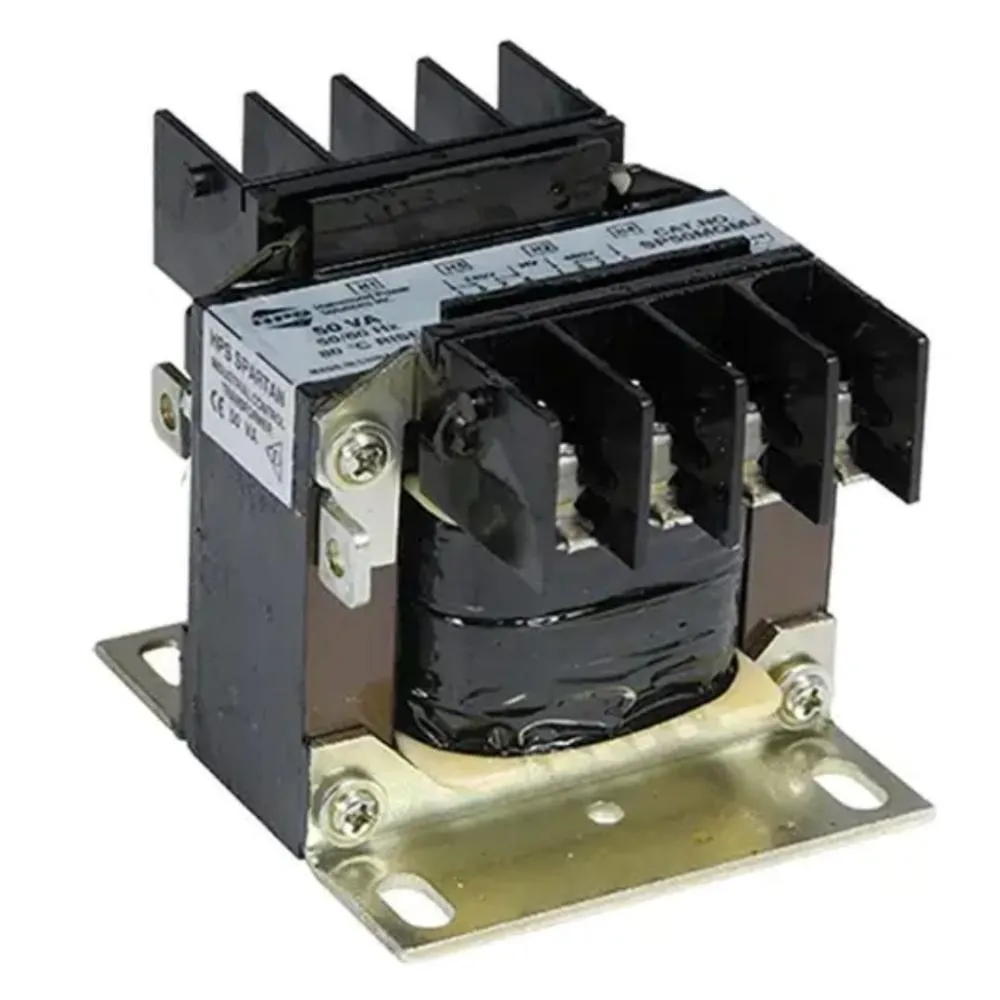
Step 3: Calculate the required kVA
A transformer’s kVA rating indicates how much apparent power it can supply. Choosing the right rating requires a proper load calculation rather than simply selecting the next model that appears large enough.
The calculation should consider the maximum expected load, continuous loads, starting current, harmonics, power factor, ambient temperature, and any reasonably anticipated future demand.
An online transformer calculator can help convert known voltage and amperage values into kVA, but the final selection still needs to follow the project specifications, load calculations, and applicable electrical codes.
Use the Hammond Power Solutions kVA calculator to estimate transformer capacity.
Step 4: Compare windings, efficiency, and features
Once you have the core electrical requirements, compare the construction and features of the available transformers.
Copper and aluminum windings can both provide dependable performance when properly designed for the application. The choice may come down to the project specification, budget, physical size, weight, installation constraints, and product availability.
Energy efficiency also matters because transformers remain energized for long periods. A more efficient transformer can reduce electrical losses, heat output, and operating costs over its service life.
Learn more about the efficiency and durability benefits of Hammond three-phase transformers.
Practical installation features are worth reviewing as well. Front-accessible terminals, pre-installed lugs, clear separation between high- and low-voltage connections, and well-positioned conduit entries can all make installation easier.
Hammond’s general-purpose transformers are built with these details in mind, offering copper and aluminum winding options, energy-efficient designs, and installer-friendly construction throughout.
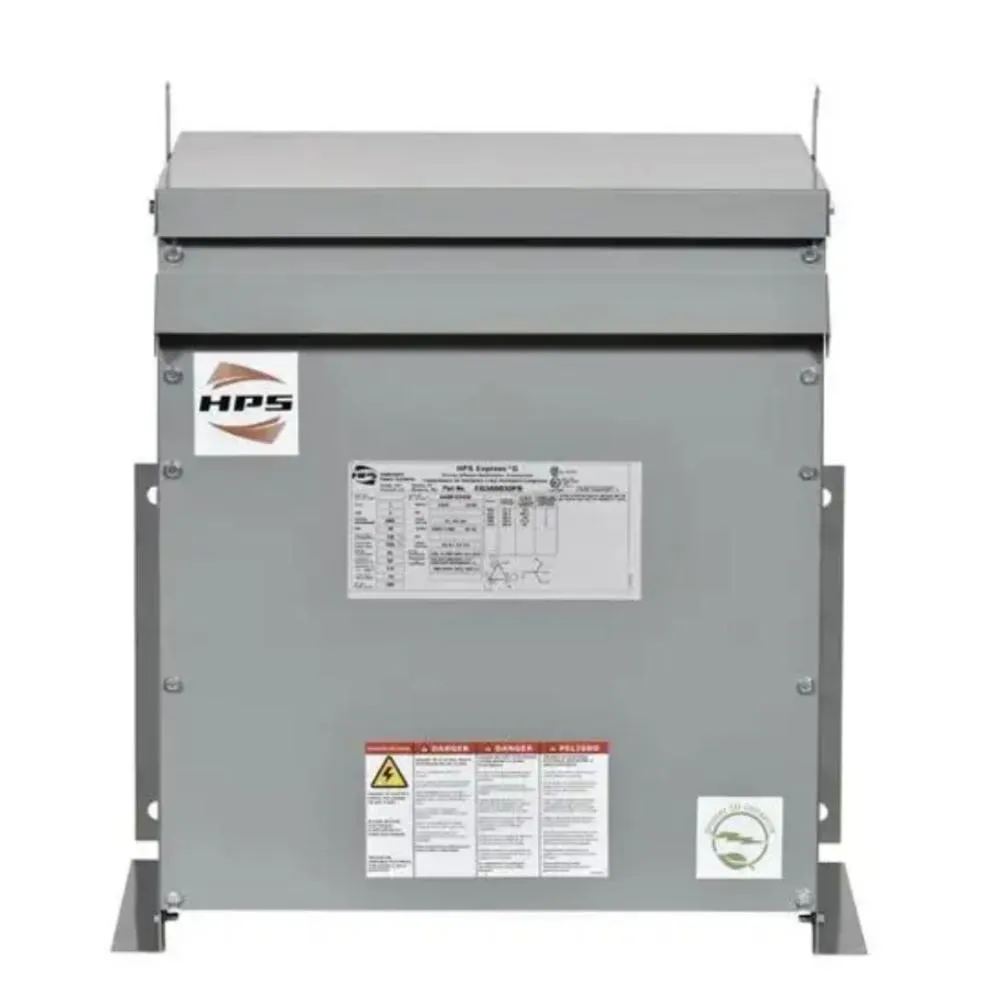
Step 5: Plan for the installation location
Finally, make sure the transformer fits both the physical space and your operating environment.
For instance, confirm whether it will be installed indoors or outdoors, how much floor or wall space is available, and whether there is sufficient ventilation and access for wiring and maintenance. Dimensions, weight, noise, vibration, and exposure to moisture, dust, or corrosive materials can all affect the final choice.
The enclosure rating is especially important. A Type 3R enclosure, for example, may suit many indoor and outdoor applications, but harsher environments may require a more specialized design.
Smaller transformers may offer wall-mounting options, while larger units are generally floor-mounted. Always review the exact dimensions, weight, clearances, and mounting requirements before finalizing your equipment location.
Hammond Power Solutions: Transformers Built for Reliable Commercial Power Distribution
Hammond Power Solutions is known for energy-efficient, dependable transformers built for long-term use in commercial and industrial settings.
Its three-phase transformers are designed to reduce energy losses while delivering reliable performance across a wide range of power-distribution applications.
Hammond products are also known for durability. Their rugged construction makes them perfect for demanding environments and retrofit projects, where efficiency can often be improved without changes to existing control systems or building operations.
Ready to Choose a Power Transformer?
Once you’ve confirmed the load, voltage, phase, kVA, and installation requirements, the right transformer should be much easier to narrow down. From there, review the available models against the project specifications and make sure the enclosure, mounting, and connection details work for the site.
When needed, the EB Horsman & Son team can help compare options, check availability, and source a more specialized solution.

![Guide to the Canadian Electrical Code, Part 1[i], 26th Edition– A Road Map: Section 74 — Airport installations](https://electricalindustry.ca/wp-content/uploads/2026/05/EIN-Stock-Guide-Code-Canada-Map-1200-768x403.png)





![Guide to the Canadian Electrical Code, Part 1[i], 26th Edition– A Road Map: Section 74 — Airport installations](https://electricalindustry.ca/wp-content/uploads/2026/05/EIN-Stock-Guide-Code-Canada-Map-1200.png)