Using Control Panels to Optimize Heat Generation
May 16, 2016
The importance of heat management and optimization in industry cannot be undermined. The fact that large industries like food processing, oil and gas, petrochemicals as well as smaller industries depend on efficient heat management to run their production, highlights why there are continued developments in this field. As well as being a critical factor for many industries, efficient heat management is also a challenge.
Heat loss and heat wastage are names given to the mismanagement of or lack of utilization of heat in the industrial process. Heat is typically provided to industries through heaters. These heaters, unlike the boilers that they have replaced, are stacked with technology to offer more advanced control mechanisms and features.
Controlling Heaters
If a person has a small firm, it is feasible to hire a person to take care of the heater and keep its operations under check. On a larger scale, that becomes next to impossible. In these larger industrial situation, heaters are often used for more than one purpose.. Here, there is a wide variety of functions that heaters are involved in. This makes keeping tabs on the performance of these heaters as well as exercising control over them, quite difficult.
Typically, larger industries can make use of temperature controllers alongside the heaters to ensure that the heater is able to maintain the desired temperature (or follow a defined series of temperature changes. The temperature controller will have sensors attached to the vessel where the heater operates. This sensor will keep tabs on the temperature of the vessel. If the temperature falls below the one fed into the controller, it can activate the heater and similarly, if the desired temperature has been reached, it can end the operation of the heater.
Controlling the Controllers
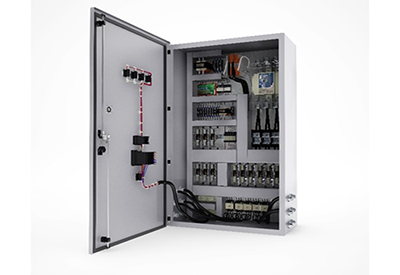
This is where the role of the temperature control panel comes in. The role of the control panel, it needs to be understood, is the most important one in an industrial operation since it is the place from where all the strings are being pulled.
If you put one temperature controller with one heater, this would mean that large firms would have an unmanageable number of controllers to keep track of. This is what the control panel does. The job of the control panels is to bring all kinds of temperature controllers and standalone heaters under one central control system, which can be easily tracked and managed.
Benefits of the Control Panel
There are a number of benefits that control panels give to industries, such as:
- A centralized approach to the application of their heaters
- Easy maintenance (only one panel instead of a panel for each heater)
- Greater coordination (data can be compared from all heaters in a single place)
- Mechanized, efficient approach
All in all, it can be said that the role of control panels as far as heating is concerned is integral. The panels can come in a variety of terminal boxes and can make the management of several heaters at once a simple task. There are different types of control panels available in the market today and the choice of which heater to choose and which one to pass will largely depend on the task at hand.
Ilan Toledano, is the President of Wattco. With over 20 years of experience in the electric heating industry, Ilan Toledano has been involved in sales and marketing, product development, and expansion of the industrial immersion heaters in the chemical and oil and gas industry for the past 15 years. Mr. Toledano has a B.Comm from Concordia University in Finance and Business Law; www.wattco.com.
![Guide to the Canadian Electrical Code, Part 1[i], 26th Edition– A Road Map: Section 74 — Airport installations](https://electricalindustry.ca/wp-content/uploads/2026/05/EIN-Stock-Guide-Code-Canada-Map-1200-768x403.png)

![Guide to the Canadian Electrical Code, Part 1[i], 26th Edition– A Road Map: Section 74 — Airport installations](https://electricalindustry.ca/wp-content/uploads/2026/05/EIN-Stock-Guide-Code-Canada-Map-1200.png)