Energy Independent Vehicles Key to Solving Grid Problems
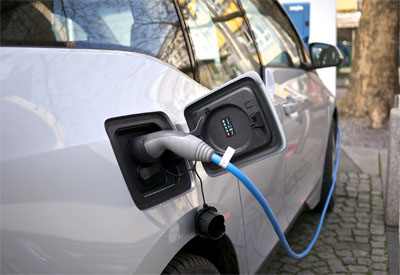
Electric Vehicle


August 23, 2017

Smart charging of electric vehicles could substantially decrease the pressure on electrical grids at peak times, according to a future energy scenarios report published by the UK National Grid.

According to the report, the peak impact of electric cars in the UK will be equivalent to capacity of six nuclear plants. Smart charging could substantially reduce pressure on the system at peak times, reducing additional demand from electric vehicles to 3.5GW by 2030 from a potential scenario of 8GW of additional demand without the technology.

Eighteen gigawatts of extra demand for electricity is projected at peak times by 2050. However, this ignores the many ways in which the real world implementation will be very different.

Dr Peter Harrop, lead author of the IDTechEx research report, Energy Independent Electric Vehicles Land, Water, Air 2017-2037 advises, “Well before 2050, energy independent vehicles being developed by Toyota, Tesla and others will bypass national grids altogether and sell in large numbers. Hanergy and Sono Motors even promise mainstream solar-only cars by 2020 and even if they fail, others are on the job, some with particularly power rich designs employing wind energy as well when the vehicle is parked. Earlier than that, roadside solar charging stations are catching on as they improve efficiency, modularity, affordability and ability to incorporate wind power. That means entirely or mainly off-grid supply: you can even see them in Malta. Another offsetting factor is the immediate availability of smart charging… that would power up car batteries at times when electricity networks can cope. Rapidly increasing range of electric vehicles creates much more freedom concerning when and where to charge, including from off-grid energy-independent houses. Six nuclear plants? It is just not going to happen. It is even arguable that no extra grid supply will be required.”

National Grid analyzed the potential impact on demand at busy times of the day, such as after working hours, if forecasts for rapid growth in electric vehicles by 2050 are realized. The UK government has said it plans all electric by 2050, which is a politician’s way of kicking an issue into the long grass: several other countries pitch 2030 or 2040.

The National Grid study follows several developments that suggest the growth in electric vehicles might accelerate dramatically over the coming decades. Analysts at IDTechEx agree with a tipping point approaching, not least as up front vehicle price parity occurs. Harrop thinks it is fair that the National Grid presumes that electric vehicle sales could account for more than 90% of all cars in the UK by 2050, with one million on Britain’s roads by the early 2020s and as many as nine million by 2030.

Global forecasts are a little more conservative. A Morgan Stanley report predicts 69% percent market penetration by 2050.*

Industry experts and operators of local electricity networks, to which the majority of vehicle chargers will be connected, have warned that to avoid costly upgrades to grid infrastructure, drivers will have to become used to the idea they may not always be able to power up their cars immediately. However, only analyst IDTechEx factors energy independent vehicles into its forecasts.

IDTechEx is staging the world’s first conference and exhibition on energy independent electric vehicles September 27-28 in Delft, Netherlands. This event will embrace the commercial opportunity and technology roadmap of the vehicles by land, water and air and their enabling technologies.

* “Batteries May Power Future of Auto Industry,” https://www.morganstanley.com/ideas/electric-cars-sales-growth

Image Source: http://www.bmwblog.com/2015/04/08/choosing-the-right-home-charging-solution-for-your-electric-car/


Related Articles


Latest Articles

  • Guide to the Canadian Electrical Code, Part 1[i], 26th Edition– A Road Map: Section 56

    Guide to the Canadian Electrical Code, Part 1[i], 26th Edition– A Road Map: Section 56

    February 6, 2026 The Code is a comprehensive document. Sometimes it can seem quite daunting to quickly find the information you need. This series of articles provides a guide to help users find their way through this critical document. This is not intended to replace the notes in Appendix B or the explanations of individual Read More…

  • 3D Printing: Inside Lighting’s Next Revolution

    February 5, 2026 While 3D printing in mass production was once a dream, advancements in the technology have moved it more into the mainstream. The technique, which is also referred to as additive manufacturing, has rapidly evolved from a niche prototyping tool into a transformative production method for many sectors, including the lighting industry. As Read More…

  • Microgrids & Power Quality: Designing Resilient, Clean Facility Power

    Microgrids & Power Quality: Designing Resilient, Clean Facility Power

    February 5, 2026 In an era of extreme weather, aging infrastructure, and ever‑rising energy demands, many facility managers are rethinking their relationship with the grid. Microgrids offer a way to take control and operate autonomously when necessary. A microgrid is more than just backup, when designed properly, it becomes a platform for resiliency, efficiency, and Read More…

  • ITC 101: Understanding NEMA Ratings for Electrical Enclosures

    ITC 101: Understanding NEMA Ratings for Electrical Enclosures

    February 5, 2026 Understanding NEMA Ratings for Electrical Enclosures NEMA Ratings are an essential classification system used across North America to define the environmental and mechanical protection provided by electrical enclosures. Developed by the National Electrical Manufacturers Association (NEMA), these ratings help engineers, installers, and specifiers identify the appropriate enclosure type for industrial, commercial, and outdoor Read More…


Changing Scene

  • Lighting What’s Next: Stanpro Celebrates 65 Years

    Lighting What’s Next: Stanpro Celebrates 65 Years

    February 6, 2026 “We didn’t get here by standing still. For 65 years, we’ve shaped how we think, how we design, and what responsibility means,” the company said in a LinkedIn post. “Today, that thinking takes a new form. Not to change who we are, but to express our evolution more clearly. This is Stanpro, Read More…

  • Housing Priorities on Track in New Brunswick, but More Work to do: Hickey

    Housing Priorities on Track in New Brunswick, but More Work to do: Hickey

    February 6, 2026 Efforts to support the creation of new affordable housing and reduce chronic homelessness are on track, but there is still lots of work to do, according to David Hickey, the minister responsible for the New Brunswick Housing Corporation. New data indicates progress has been made on three key government priorities related to Read More…

  • BJ Electric is now Bernie’s Electric Supplies Ltd

    BJ Electric is now Bernie’s Electric Supplies Ltd

    February 6, 2026 BJ Electric has announced the company has rebranded as Bernie’s Electric Supplies Ltd, a nod to their founder. “BJ Electric Supplies is now Bernie’s Electric Supplies—in honor of our founder, Bernard Joseph Thompson, and the values that have guided the company for nearly 50 years. As we grow and evolve, this name Read More…

  • The Government of Canada Introduces the Build Canada Homes Act

    The Government of Canada Introduces the Build Canada Homes Act

    February 6, 2026 The Government of Canada has introduced the Build Canada Homes Act, legislation that will establish Build Canada Homes as a Crown corporation whose mandate will be dedicated to building affordable housing in communities across the country. As Canada’s affordable housing builder, this legislation will equip Build Canada Homes with the necessary tools to Read More…