Lever Connectors and Twist-Ons: How to Decide Which is Right for the Job

September 30, 2026
By Greg Anliker, End User Experience Manager, IDEAL Electrical
There are many different types of wire connectors, and sometimes it can be hard for electricians to determine which one is best to use. Options like twist-on and lever connectors work well for a variety of applications, regardless of their design.
However, they also have specific features and benefits that suit certain jobs uniquely well. To understand which connector to use, electricians should not only understand how lever and twist-on connectors work, but also the best types of jobs for each connector.
What are Lever Connectors and Twist-On Connectors?
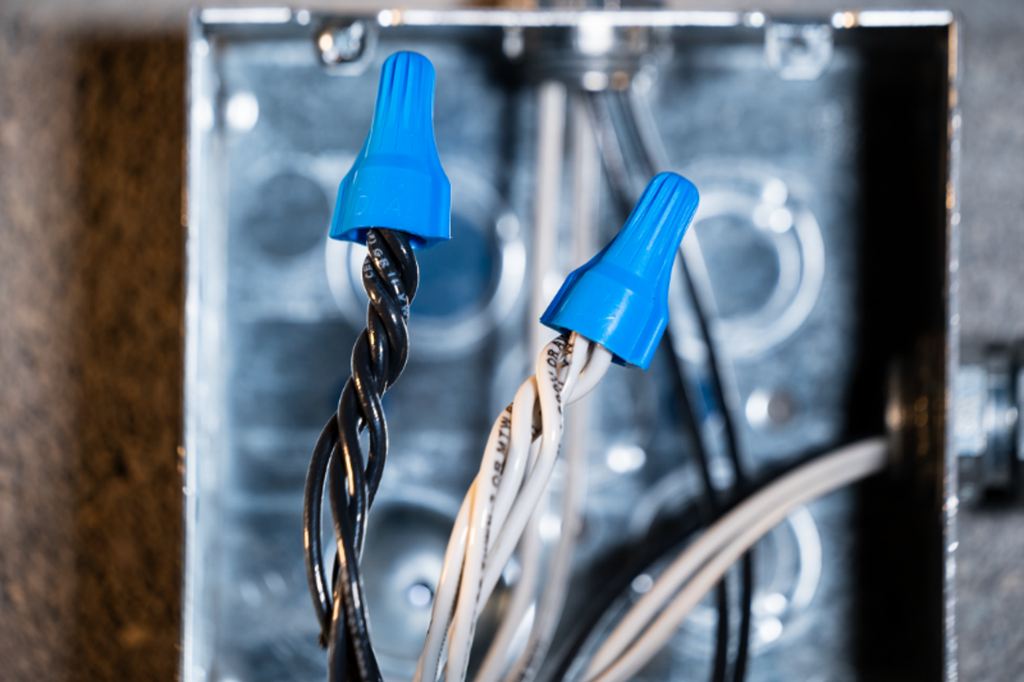
Two of the most common wire connector styles used in residential and commercial electrical work are lever connectors and twist-on connectors. When using a twist-on connector to join two wires, an electrician will strip both wires to the desired length before inserting them into the twist-on and twisting them together. Both the internal spring and the external shell work together to secure the connection by tightly gripping the wires. Twist-on connectors take time and experience to properly install, and they are widely used in almost every type of electrical job across North America.
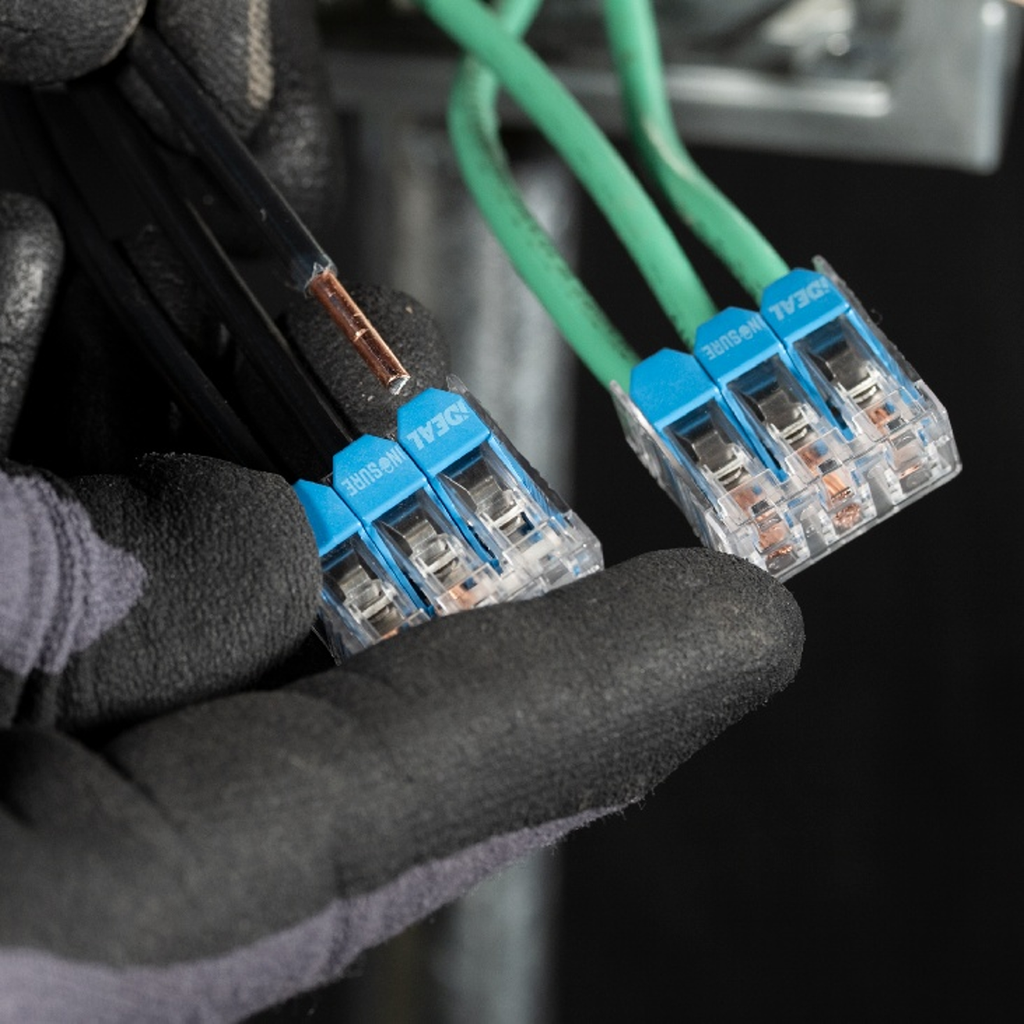
On the other hand, lever connectors’ straightforward application can help deliver consistent results. When using a lever connector, electricians flip up the levers before inserting wires and then close them to secure the wires into place.
Inside a lever connector, wires are seated into ports, or specific openings that separate individual wires. Generally, manufacturers offer lever connectors in a range of different port counts, such as 2-, 3-, or 5-port configurations. Each port is designed to accept one conductor within the connector’s rated wire range.
Lever connectors can be used for connections that would be difficult to make with twist-on connectors, or large-scale projects for which their price is outweighed by lower labor and maintenance costs. Additionally, lever connectors make joining solid and stranded wires easier.
What Jobs are Twist-On Wire Connectors Best Suited For?
Twist-on connectors are beneficial for many types of jobs, and they are a staple in the toolkit of nearly every electrical worker in North America. Here are some jobs well-suited to twist-on connectors:
- Common residential installations such as receptacles, light switches, thermostat controls, doorbells, and garage door openers. Twist-on connectors are available in many sizes and designs, letting workers apply them to a variety of jobs. For example, the Can-Twist® Wire Connector from IDEAL Electrical supports hundreds of wire combinations from #22 to #8 AWG.
- Commercial and industrial applications might use large wires, with a mix of wire sizes and combinations. The work can involve more complicated systems with increased loads, including security systems, intercoms, illuminated signs, and 3-phase motors. Large twist-on connectors that can accommodate a wide wire range work well for these jobs. For example, the Twister® ProFLEX™ Max is a larger twist-on that is rated to support 14 to 6 AWG.
What Jobs are Lever Connectors Best Suited For?
Lever wire connectors contain features and benefits that make them fit well into certain specific applications. Here are some jobs suited to lever connectors:
- Overhead Installations: Overhead installations include smoke/CO detectors and ceiling fans. Lever connectors’ reduced entry force when inserting wires means electricians can insert overhead wires without having to fight against gravity. When wires hang down from the ceiling, trying to twist them with one hand while holding a fixture can be a struggle, so lever connectors with an easy-to-insert design save effort and time during installations.
- Lighting Installations: Lighting installations are also often installed overhead and use fixture wire. Fixture wire is a specific type of stranded wire with more strands than others. These wires tend to splay out when being pushed against a connector with a lot of entry force. Lever connectors’ zero entrance force makes it easier to connect many stranded wires.
- Prefabricated Buildings: Prefab buildings can require lots of flexibility when assembling various parts. Lever connectors are well suited to prefabrication because assemblies can be partially wired off-site and completed quickly once installed in the building.
How Levers and Twist-Ons Can be Used Together
While twist-on and lever connectors both fit unique jobs, they also work well together. A lot of wiring projects require connectors with varying levels of adaptability, size, and functionality, meaning that a combination of high-quality connectors can sometimes work better together than a lot of one type of connector. As an apprentice, learning to use different types of wire connectors will prove beneficial for many types of jobs.
Electrical apprenticeships are a meaningful learning experience for future electricians. Twist-on connectors are the most commonly used connectors in electrical work in North America, so apprentices use them often to learn how to connect wires. They can see their skill level improving as they improve in their ability to twist wires together in these types of connectors.
Lever connectors, on the other hand, can help electricians achieve consistent, secure connections regardless of experience level. For inexperienced apprentices, lever connectors with clear housing and audible clicks make it easy to confirm wires are stripped correctly and fully seated.
How to Enhance Your Connector Choices
From data centers to residential construction, twist-on and lever connectors provide trustworthy connections for a wide variety of electrical work. However, when it comes to selecting which model of connector to choose, electricians should keep in mind some specific features to save time and effort.
For twist-on connectors, options that support wide wire ranges can effortlessly combine many different wire AWG demands for the same job. Twist-on connectors with ergonomic designs help reduce hand strain. Options that have wings provide extra grip, while twist-on connectors with an overmold provide more comfort. Flexible skirts at the end help connectors to fit into junction boxes and protect wires more from flash-over and voltage spikes. Options like the Twister® ProFLEX™ family of products provide electricians with a wide wire range, protective and ergonomic design, and an easy-to-grip, comfortable overmold.
Which Connector Should You Choose?
Choosing a connector can be difficult, but this information should help narrow that decision down. It’s key to consider the requirements of the job first, making sure you know what types of wires are needed and how much budget, time, and space are allotted for the task. Professional wire connectors from reputable manufacturers have their specs listed on their website, so selecting an option that works should be easy.
After choosing the type of connector that fits those requirements best, look out for extra features such as ergonomic designs that can make the job easier. Additionally, twist-on connectors and lever connectors aren’t the only two types of connectors available—if the job demands specific connectors that are different, such as push-in connectors, do your research and choose the one that suits the work best.