Canada in Need of National Electricity Infrastructure Renewal
November 2, 2017
Climate change is rewriting our plans on how to protect our communities and livelihoods from Mother Nature’s vagaries. Historically infrequent, high impact scenarios are happening more often, with greater severity and disruptive impact.
Hurricane Irma was the strongest Atlantic basin hurricane ever recorded outside the Gulf of Mexico and the Caribbean Sea. The storm spent three days as a Category 5 hurricane, the longest since satellite storm-tracking began, prompting the largest evacuation in the history of the Bahamas. In Florida, the United States’ third most populous state, more than 10 million people lost power in the aftermath of Hurricane Irma, facing a sweltering and uncertain reality. For many people, the power might not come back on for weeks.
Canada is of course not immune to climate change impacts. Severe weather and natural disasters are happening more often and costing Canadians billions of dollars annually. According to the Insurance Bureau of Canada, federal disaster relief spending rose from an average of $40 million a year in the 1970s to an average of over $600 million a year since 2010.
Governments are planning new adaptive measures such as investing in climate-resilient infrastructure. Infrastructure and Communities Minister Amarjeet Sohi convened his provincial and territorial counterparts in Ottawa on Sept. 20-21 to discuss new infrastructure investment agreements that will help mitigate potential risks and impacts on Canadian families and businesses, while positioning our country to thrive in a changing climate.
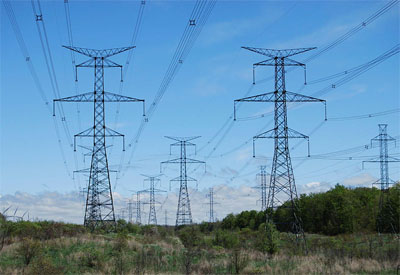
The agreements must address Canada’s aging electricity infrastructure, which is already beginning to show its age—exhibiting a range of minor and major structural impacts from climate change. Many electricity assets in Canada are reaching the end of their lifecycle and must be replaced or refurbished. Without care, vision, and investment, over time the rate of infrastructure degradation we’re seeing will almost certainly increase.
The Canadian Electricity Association proposes a national electricity infrastructure renewal plan that recognizes the long-term planning horizon required for large scale electricity sector investments; encourages efficient regulatory review of funding applications; and helps secure government and public support of electricity projects.
Investing in the electricity sector is about creating long-term value. Canada’s electricity system is already over 80 per cent greenhouse gas (GHG) non-emitting. Emissions are down by over 30 per cent since 2005 and are on track to decrease by at least that much again before 2030. The sector represents Canada’s clean energy future and is uniquely positioned to enable deep GHG emission reductions in other sectors through the electrification of transportation, space heating, and industrial processes.
Investing in Canada’s electricity system will create jobs, promote clean economic growth and ensure that Canada can continue to be among the world’s leaders in the production of clean, reliable, and sustainable electricity. In short, it will create value.
While the investments will be substantial and are likely to impact prices, the cost of letting our system deteriorate will be significantly greater to Canadians and our economy. Managing these anticipated costs while mitigating risks and impacts is paramount.
Throughout our country’s history, we have undertaken major infrastructure projects, like the great railroads of the 19th century and the highway system of the 20th. In all these undertakings, we understood the importance of tackling big projects and of investing today for a better tomorrow. This may just be another watershed moment for Canada. Let’s choose to face this new reality head on, together. We can start with investing in a clean, sustainable, reliable power – the potential risks to our country is too great to delay.
By: Sergio Marchi
Sergio Marchi is CEO and president of the Canadian Electricity Association.
Photo by: Kristen Shane






![Guide to the Canadian Electrical Code, Part 1[i], 26th Edition– A Road Map: Section 76 — Temporary Wiring](https://electricalindustry.ca/wp-content/uploads/2026/05/EIN-Stock-Guide-Code-Canada-Map-1200.png)