EV Charger Install Tips for Businesses in BC

June 15, 2026
By Ryan Torres, Business Development – Mac’s II Agencies
The Ultimate Guide to Installing EV Charging Stations for Your BC Business
With electric vehicle (EV) adoption accelerating across British Columbia, forward-thinking businesses are turning to EV charging stations as a way to attract new customers, future-proof their properties, and unlock valuable rebates. But with evolving technology, complex regulations, and a maze of incentives, where should you begin?
Below, we’ll break down the three essential steps every business should follow to install EV charging stations, maximize rebates, and set your project up for long-term success.
Step 1: Vision & Site Planning – Set the Foundation for Success
Before breaking ground, clarify your business’s vision for EV charging:
- Is this part of a new development, or are you upgrading an existing site?
- Are you looking to add a few chargers for staff and visitors, or create a high-traffic public charging hub?
Your answers will determine which of the four main EV charging categories fits your project:
- Home
- Workplace
- Public
- Medium-to-Heavy-Duty (MHD) Public Charging
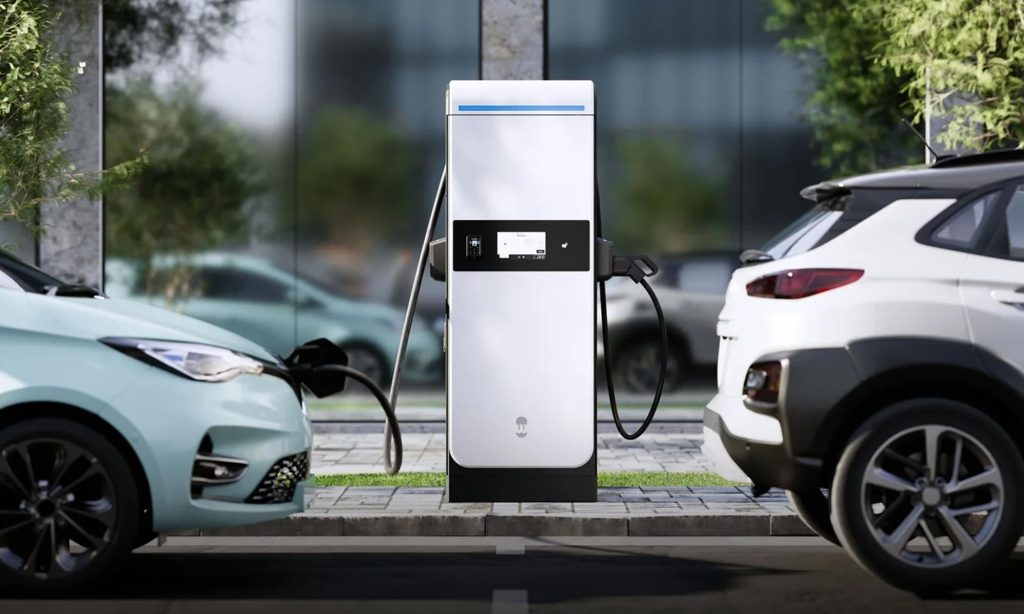
For example, if you’re redeveloping a retail centre near a major highway, early consultation lets us recommend pursuing an MHD Public Charging rebate. With high visibility and space for multiple chargers, you can support both commercial vehicles and the general public, maximizing revenue and meeting rebate criteria from the outset.
Pro Tip: Early planning ensures your site design, charger placement, and amenities align with rebate requirements, streamlining approvals and boosting your return on investment.
Step 2: Optimize Your Charging Station & Meet Rebate Eligibility
Attention to detail is critical for a successful, future-proof EV charging installation:
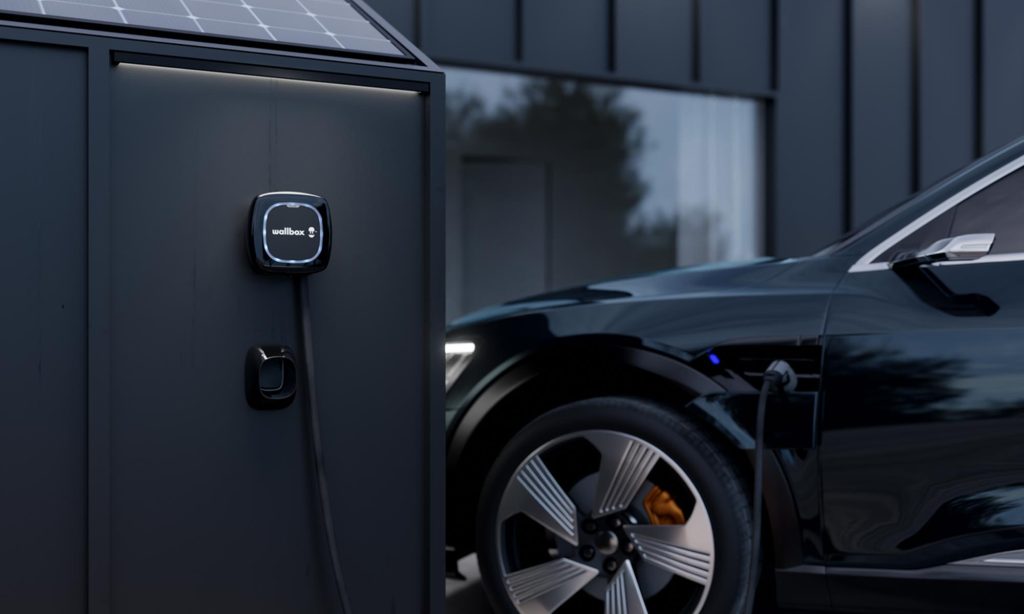
- Lighting: Ensure chargers are well-lit for safety and accessibility. Bollards with built-in lighting are a smart way to protect equipment and guide users.
- Amenities: Many rebate programs, like CleanBC Go Electric, require nearby amenities (restrooms, WiFi, food services) to qualify-especially for public and MHD charging. Plan these into your site to enhance customer experience and eligibility.
- Data Sharing: Some rebates require data-sharing agreements to track usage and uptime for at least a year. This helps demonstrate your site’s impact and ensures continued support.
By understanding these requirements early, you can make strategic design choices that benefit both your business and your customers.
Step 3: Power Supply & Partnering with the Right Electrical Contractor
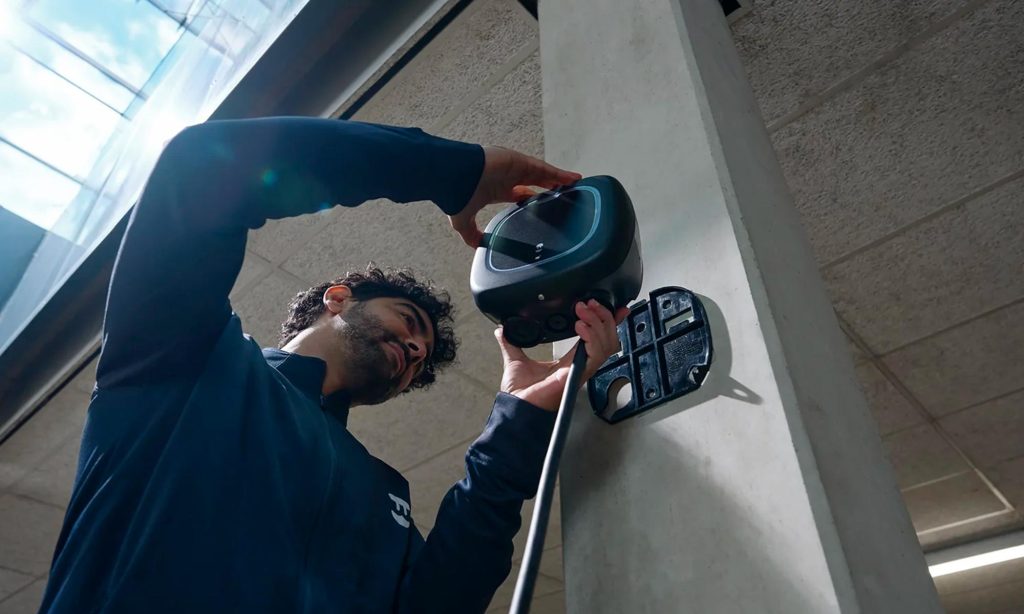
Your EV charging station is only as strong as its electrical backbone. Collaborating closely with a certified electrical contractor is key, as they will:
- Assess Power Capacity: Evaluate your current infrastructure and recommend upgrades if needed.
- Rebate Application: Supply quotes and project details required for rebate submissions.
- Smooth Installation: Coordinate with utility providers, handle permits, and ensure everything meets code and rebate standards.
Pro Tip: Bringing your contractor into the process early prevents costly delays and ensures your project is eligible for all available incentives.
Why Now Is the Best Time for BC Businesses to Invest in EV Charging
With government and utility rebates at an all-time high, and EV adoption surging, there’s never been a better moment to future-proof your property and attract new customers. At Mac’s II Agencies, we guide you through every step, from site planning and rebate navigation to robust EV charging packages with integrated lighting and electrical solutions.