Why Electrical Load Calculations Are Being Rewritten by Residential Electrification
March 27, 2026
Across Canada, residential electrical design has historically followed a predictable pattern. Load calculations were based on known appliance demands, typical usage patterns, and a relatively stable mix of gas and electric systems. For decades, that approach worked well.
That stability is starting to break.
The issue is not that electrical demand is increasing in a simple, linear way. It is that the composition of that demand is changing. Loads that were once intermittent or minimal are becoming continuous and significant, and multiple high-demand systems are now being introduced into the same residential environment.
In older design models, diversity factors played a meaningful role. Not every system would run at full capacity at the same time. Electric ranges cycled, air conditioning loads were seasonal, and many major systems were not electrically driven at all.
That framework becomes less reliable when several large electrical loads are added to a home simultaneously.
Electric vehicle charging is one of the clearest examples. A Level 2 charger can introduce a sustained load that runs for several hours at a time, often during overnight periods when other systems are still active. Unlike many traditional loads, this demand is both predictable and persistent.
At the same time, heat pump systems are being introduced as alternatives to gas heating. While highly efficient, they shift a significant portion of a home’s thermal load onto the electrical system. During colder periods, auxiliary heating elements can further increase demand, creating peak conditions that were not previously common in residential settings.
Kitchen loads are also evolving. Induction cooking, electric wall ovens, and additional small appliances are increasing both connected load and usage frequency. These changes are incremental on their own, but together they begin to alter the overall profile of the home.
What makes this shift more complex is not any single system, but the stacking effect. When electric vehicle charging, electrified heating, and modern appliance loads are all present, the assumptions that once guided panel sizing and service capacity begin to fall short.
In many cases, installations may still meet minimum code requirements. However, code compliance does not necessarily account for future additions or evolving usage patterns. Systems designed to meet current demand can quickly approach their limits as new equipment is introduced.
This is increasingly visible in the field. Electricians are encountering homes where available capacity is technically sufficient on paper, but leaves little room for expansion. Panel space becomes limited, load calculations approach maximum thresholds, and any additional equipment requires a reassessment of the entire system.
As a result, there is a growing shift toward planning for capacity rather than reacting to constraints.
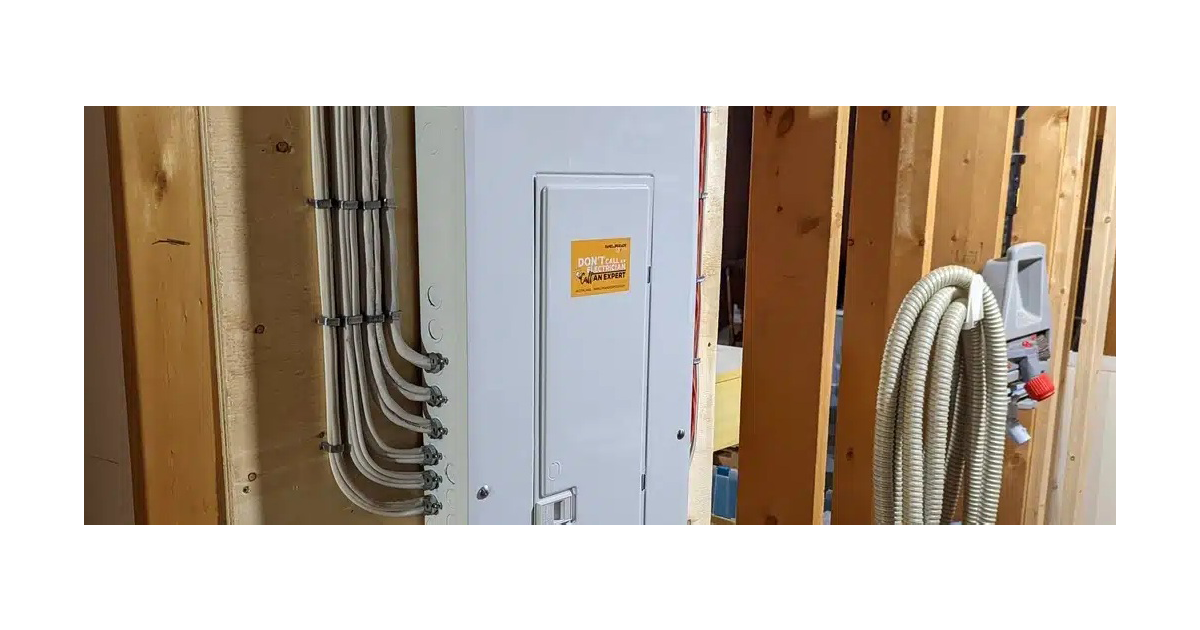
In practical terms, this often leads to discussions around electrical panel upgrades earlier in the lifecycle of a home. Instead of waiting until capacity is fully exhausted, some projects are addressing these limitations in advance to accommodate anticipated loads.
The same considerations are beginning to influence how renewable systems are integrated. While rooftop solar can offset energy consumption, it does not eliminate the need for adequate electrical infrastructure. In fact, system design often depends on the configuration and capacity of the existing service.
For contractors, this creates a different kind of conversation with clients. The focus is shifting from installing a single system to understanding how multiple systems will coexist over time. Load calculations are no longer just a compliance exercise. They are becoming part of a broader planning process.
This does not mean that every home requires maximum capacity from the outset. However, it does suggest that traditional assumptions about residential electrical demand are no longer sufficient on their own.
As electrification continues to expand, the role of electrical infrastructure is becoming more central to residential design. What was once a background consideration is now a key factor in how homes are planned, upgraded, and adapted.
The challenge moving forward is not simply to meet today’s requirements, but to anticipate how those requirements are likely to change.
![Guide to the Canadian Electrical Code, Part 1[i], 26th Edition– A Road Map: Section 74 — Airport installations](https://electricalindustry.ca/wp-content/uploads/2026/05/EIN-Stock-Guide-Code-Canada-Map-1200-768x403.png)





![Guide to the Canadian Electrical Code, Part 1[i], 26th Edition– A Road Map: Section 74 — Airport installations](https://electricalindustry.ca/wp-content/uploads/2026/05/EIN-Stock-Guide-Code-Canada-Map-1200.png)