Improving Arc Flash Prevention and Safety
November 14, 2016

By Steve Sullivan

Working among the electrical components in an enclosure comes with inherent risks. The power in any one enclosure can range from 2kw up to 200kw depending on the power density. One of the most common and dangerous risks is an arc flash (or flashover).

When an explosive release of energy erupts from a phase-to-phase or phase-to-ground arc fault, the results range from devastating to deadly. This air to ground electrical explosion is a critical concern.

The destructive force of an arc flash

The dangers from an arc flash are all too well known. When metal expands and vaporizes at the fault, it causes extreme heating of the air, upwards of 10,000°C/18,032°F. The concussive pressure wave can knock personnel off their feet; the ultraviolet light flash can cause blindness; the sound blast, deafness; and the molten metal and heat can cause second and third degree burns. The specific death toll has been estimated to be up to 1-2 people every day worldwide.

An arc flash can result from unsafe work procedures, accidental contact, or more systemic problems such as corrosion of components and connections or insulation failure. Arc flash prevention should be incorporated into any application from the beginning of the design process.

Minimizing arc flash exposure

Design and retrofit approaches can limit exposure by using components installed outside the enclosure to permit qualified personnel in personal protective equipment (PPE) to service equipment inside without opening the enclosure door. Interface flaps and window kits permit data retrieval, equipment monitoring or routine maintenance to be performed from outside. Collapsible fold down shelves be raised for use with laptops and monitoring equipment. External data pockets can hold wiring diagrams, operation manuals and other documents.

Arc flash protection

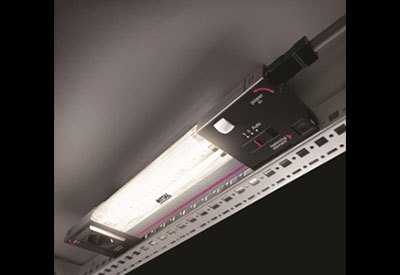
Sometimes components must be accessed from inside the enclosure. For example, Rittal’s arc flash solution keeps high and low voltage equipment within the confines of their own respective enclosures. Low voltage enclosures house equipment that is used for programming, data acquisition and system adjustment.

High voltage components are isolated within their own disconnect enclosure, while line side power is segregated within the power isolation enclosure. A partition wall acts as a barrier to high voltage line side power. An interlocking door system ensures that the high voltage enclosure cannot be opened while the disconnect switch is in “ON” position.

For additional safety, all interlocked doors and master door must be closed in order to re-energize the enclosure. This removes potential for accidental contact with the inline power when the disconnect enclosure is put in a safe power-off position, and locked and tagged out.

Minimizing exposure to line side power can help protect personnel from accidents. A qualified person wearing PPE and following appropriate safe work practices can perform visual inspections and tasks, such as diagnosis, testing, troubleshooting and voltage measurement with the door open even when the main enclosure is energized.

Safety is always your priority, so download Rittal’s Arc Flash and How to Prevent it free whitepaper for the first step towards arc flash prevention: http://info.rittalenclosures.com/arch-flash-lp-0.

Steve Sullivan is a training manager with Rittal. This article was first published online as a blog: http://blog.rittalenclosures.com/blog/author/steve-sullivan-training-manager.


 

Related Articles


Latest Articles

  • Winnipeg Information Bulletin: Low-Risk Voice, Data, Video & Security System Installations

    Winnipeg Information Bulletin: Low-Risk Voice, Data, Video & Security System Installations

    September 17, 2026 Certain types of installations may qualify for a low-risk voice, data, video (VDV) and security system electrical permit. For information related to regular VDV/security system installations, see winnipeg.ca/vdvsystems. Applications must be submitted through Permits Online. Electrical permits and inspections are needed for certain installations of security and similar alarm systems. This makes… Read More…

  • What Type of Outdoor Light Do I Need for My Application?

    What Type of Outdoor Light Do I Need for My Application?

    September 17, 2026 By Stanpro The right outdoor light starts with the space you need to illuminate and how that space is used. For commercial projects, parking lots and large exterior areas point toward area lights; entrances and building perimeters toward wall-mounted or security lighting; signs, facades and targeted areas toward flood lights; pathways toward… Read More…

  • Alberta Employers and Tradespeople Share their Perspectives

    Alberta Employers and Tradespeople Share their Perspectives

    September 16, 2026 In Alberta’s skilled trades labour market employers and tradespeople are facing growing pressure from tariffs, rising costs, hiring challenges and labour mobility barriers. CAF-FCA’s new report, Hiring, Mobility and Needed Supports: Alberta Employers and Tradespeople Share Their Perspectives, takes a closer look at what’s happening on the ground. Based on surveys of… Read More…

  • Goal Zero YETI 3000X Power Stations Recalled due to Fire and Burn Hazards

    Goal Zero YETI 3000X Power Stations Recalled due to Fire and Burn Hazards

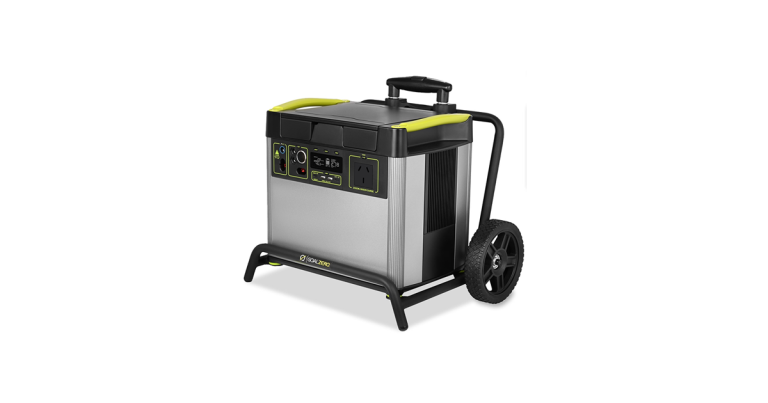
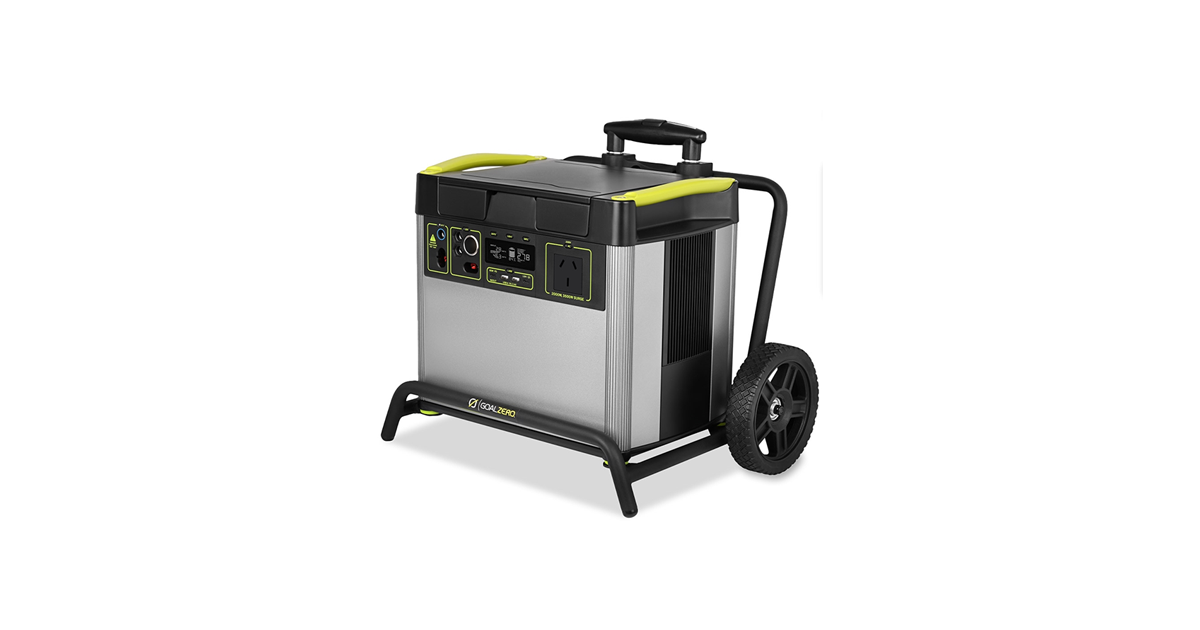
    September 16, 2026 This recall involves Goal Zero YETI 3000X power stations. The silver and black portable power stations measure about 62 centimetres (24.4 inches) high, 47 centimetres (18.5 inches) wide, 57 centimetres (22.3 inches) deep and weigh approximately 42 kilograms (92 pounds). The power stations have yellow handles and a digital display at the… Read More…


Changing Scene

  • LEDVANCE Canada Marks 10 Years of Innovation and Growth and Looks Ahead to Its Next Chapter in the Canadian Market

    LEDVANCE Canada Marks 10 Years of Innovation and Growth and Looks Ahead to Its Next Chapter in the Canadian Market

    September 25, 2026 From legacy lighting leader to solutions partner, LEDVANCE is entering its next decade with a clear focus on Canadian customers, communities, and market needs LEDVANCE Canada is marking the 10th anniversary of LEDVANCE as an independent brand by celebrating a decade of growth, customer partnerships, and continued investment in solutions designed around… Read More…

  • EFC Welcomes Patrick McManus as Incoming President & CEO

    EFC Welcomes Patrick McManus as Incoming President & CEO

    September 25, 2026 Electro-Federation Canada (EFC) is pleased to announce the appointment of Patrick McManus as President & CEO, effective October 13, 2026. McManus will succeed Carol McGlogan, who is retiring following 10 years with EFC. McGlogan will remain with the organization through the end of 2026 to support a smooth leadership transition. McManus is… Read More…

  • Innovair Solutions Acquires TRM Heating Cables

    Innovair Solutions Acquires TRM Heating Cables

    September 18, 2026 Innovair Solutions has announced the acquisition of TRM Heating Cables, a Toronto-based Canadian company specializing in heating cables for commercial and industrial applications. Founded in 2001, TRM has built strong technical expertise in the sale and installation of specialized products, including self-regulating cables, mineral-insulated cables and electric floor heating systems. The company… Read More…

  • Electrical Safety Authority Honours Leaders Helping Build a Safer, More Electrified Future

    Electrical Safety Authority Honours Leaders Helping Build a Safer, More Electrified Future

    September 17, 2026 From preparing the next generation of skilled workers to supporting one of the world’s largest sporting events, this year’s recipients demonstrate how electrical safety supports Ontario’s future As Ontario electrifies homes, transportation and industry, the Electrical Safety Authority (ESA) has recognized the organizations and individuals helping ensure safety keeps pace with that… Read More…