PoE and DLVP: Comparing Power Distribution Systems for Lighting and Controls
October 28, 2016
The invention of the LED has left an indelible mark on not only lighting, but also building power systems. Aggressive market adoption of LED lighting and falling prices have enabled greater use of control systems in every lighting market segment. In turn, the integration of control systems with LED lighting has created an upsurge of low voltage devices in the ceiling.
Today, many fundamental devices – from phones and tablets to computers and monitors – require low voltage direct current (DC) power. Yet the building electric power infrastructure is still alternating current (AC) line voltage, spurring a widespread effort to identify alternatives.
Here Chris Andrews, an expert in low voltage lighting and control systems with Eaton’s Lighting Division, shares two low voltage alternatives to AC line voltage power with overlay control systems. Each has the potential to revolutionize lighting and controls.
What are low voltage alternatives to AC line voltage?
Power over Ethernet (PoE) is a software-based system that passes power and data over the same cable in a standardized way, harmonizing building control systems. This centralized architecture creates a “digital ceiling” useful for data communications and provides low voltage DC power to network end devices. The utilization of Cisco’s IT infrastructure allows multiple systems – from computers, phones and lighting to HVAC and security – to be converged and controlled from the web, creating a single, connected environment.
Distributed Low Voltage Power (DLVP), like PoE, is a standardized system for providing power and communications over a standard, connected cable. Each is based on the same Underwriter’s Laboratory (UL) and National Electric Code (NEC) requirements for Class 2 low voltage; however, DLVP blends the benefits of AC line voltage and DC low voltage distribution to maximize electrical efficiency and minimize installation and commissioning costs.
Which system do you need?
PoE and DLVP share many components and functions, but they’re different systems. That’s why it’s important to do a full evaluation.
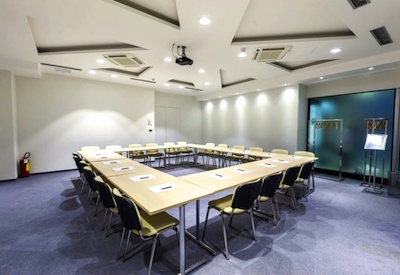
Are you a facility owner or IT administrator? Do you want to integrate a single facility, or do you operate a global facility? Are you interested in advanced analytics, such as space utilization? Maybe you want to know if your third floor conference room is ever used, or if you could be using the space in a better way. Perhaps you want to save money by leaving the HVAC system turned off until people enter a space. If you want this kind of control and have the ability to manage it, PoE could be a great option for you.
PoE is a natural fit in applications where data network integration is expected. It’s an excellent choice for high-technology campuses, such as data centers, as well as some office, education and healthcare applications.
The PoE user understands and appreciates a data network infrastructure designed to process analytics, optimize space utilization and control all aspects of an entire facility over one system.
On the other hand, DLVP technology was designed for simplicity. In fact, DLVP is so simple to configure that it can be plug-and-play commissioned at the time of installation by the same contractor.
Yet DLVP offers a lot of the same benefits of PoE. Like PoE, DLVP offers addressability, code compliance benefits and a reduction in power source installation labor and materials. In addition, it may be reconfigured at any time without a system rewiring.
DLVP’s value is in its simplicity and flexibility. It was consciously developed to be simple, and it’s great for applications with repeated spaces, like schools that have 40 classrooms with matching configurations. Eaton’s DLVP system reduces the total installed cost of an LED lighting and controls project by up to 20% — all while providing a flexible, efficient solution.
The DLVP user wants a cost-conscious, easy-to-configure system that achieves simple code compliance while providing power and control for a single room or entire facility.
Is retrofitting existing technologies a viable option?
PoE is so deeply integrated and centralized that you really need to start with a purpose-built system. The DLVP system is perfectly suited to renovations of existing spaces due to its distributed architecture.
How did LEDs help revolutionize power distribution systems?
Today’s highly efficient LED lighting pairs perfectly with intelligent control systems like PoE and DLVP. The long life and luminous efficacy of LEDs have created an incredible opportunity for all lighted spaces. LED lighting enables more efficient control systems, because power cycling doesn’t reduce the lifetime of LEDs. What we have now is a perfect marriage between low-voltage light fixtures and low-voltage control systems.
Aesthetics play a role, too. Class 2 low-voltage control systems can take advantage of small, efficient control technologies that are also discrete, lightweight, aesthetically pleasing and completely integrated.
Lighting control systems are surging for many reasons, like rising energy costs and stricter energy and building codes. Current lighting control systems range from simple dimmers to complex systems with occupancy, daylight and receptacle controls. Today, we can integrate these systems even more deeply to include time scheduling, energy monitoring and other infrastructures like security and HVAC. We’re moving toward a single, common system capable of controlling all of a building’s functions, and lighting is an important piece of the puzzle.
Will systems become more standardized as the technology evolves?
Today, there are several systems out there, and unfortunately they’re not interchangeable. But I think that will change in the near future. Along with Cisco, Eaton is working hard to educate our industry on the need to standardize. While we may not be able to match every function, products from multiple manufacturers should be able to work together on a single system.
How should companies handle the data available through these systems?
These systems can harvest great amounts of data and analytics from a space. A lot of customers are still figuring out what to do with these data, and companies like Eaton and others are working hard to help them come up with strategies. Banks, for example, have highly sensitive data; while they may want space utilization data, they don’t want advanced lighting controls to open the door to personal financial data.
The great thing about advanced systems like PoE and DLVP is that the functions used for lighting controls and data acquisition can be separated from data networks, cutting off access to all of that sensitive information. The systems we create can be integrated or standalone.
At the end of the day, it’s incredible technology, and everyone in this industry understands we have a great responsibility to diligently protect personal information.
What’s the best way to get started?
Before you do anything, know what you want to accomplish and how much system control you want and need. We encourage all of our customers to monetize their intangibles and examine their potential for ROI.
For example, PoE can be a great investment, but do you really need a system with that level of integration? Are you ready to take advantage of the greater capabilities it can provide? We can help you answer those questions. DLVP, on the other hand, should have a short ROI. It’s simple to install, and if you don’t need the deep integration of a PoE system, it’s a fantastic, cost-effective option.
Regardless of which system is right for you, we have a bright future in low-voltage power distribution systems and advanced lighting controls. It will be exciting to see what happens next.
This article was first published by Eaton online: http://thelightingresource.eaton.com/features/2016/poe-vs-dlvp-comparing-power-distribution-systems-for-lighting-and-controls.
![Guide to the Canadian Electrical Code, Part 1[i], 26th Edition– A Road Map: Section 74 — Airport installations](https://electricalindustry.ca/wp-content/uploads/2026/05/EIN-Stock-Guide-Code-Canada-Map-1200-768x403.png)



![Guide to the Canadian Electrical Code, Part 1[i], 26th Edition– A Road Map: Section 74 — Airport installations](https://electricalindustry.ca/wp-content/uploads/2026/05/EIN-Stock-Guide-Code-Canada-Map-1200.png)