Q3 Investment in Non-Residential Building Down 0.5%, Institutional Up 2.2%
Building Permits 1


Jan 22, 2016

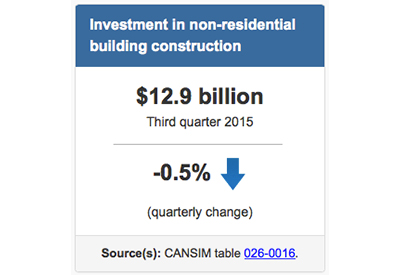
Investment in non-residential building construction amounted to $12.9 billion in the third quarter, down 0.5% from the previous quarter. This was the third consecutive quarterly decline and largely reflected lower spending on the construction of commercial and industrial buildings.Institutional investment continued to increase, an upward trend that began in the first quarter of 2014.

Chart 1: Investment in non-residential building construction

Building Permits 2


Overall, total investment fell in four provinces in the third quarter, with Quebec registering the largest decline, followed by Manitoba. In Quebec, the decline was mainly as a result of lower spending on institutional and commercial buildings. In Manitoba, the decrease was attributable to lower spending on commercial and industrial buildings.
The largest increases occurred in Ontario and Alberta. In Ontario, investment advanced in all three components, while in Alberta, it resulted from higher spending on institutional buildings.

Census metropolitan areas

Total investment was up in 23 of the 34 census metropolitan areas (CMAs). However, these advances were not sufficiently large to offset declines in the remaining CMAs as well as the regions outside CMAs.

The largest gain occurred in Toronto, followed closely by Calgary. In Toronto, the increase was mainly attributable to higher investment in the construction of commercial buildings, while in Calgary, the gain was mostly due to higher spending on institutional construction projects.

Montreal reported the largest decline, followed by smaller declines in Kingston and Quebec. All three components were down in these CMAs.
Commercial component

In the commercial component, investment fell 1.3% to $7.6 billion in the third quarter. This was the fourth consecutive quarterly decrease and was attributable to lower spending on commercial building construction in six provinces.

Quebec, Alberta and Manitoba posted the sharpest declines. In Quebec, investment decreased 2.9% to $1.2 billion, and was the result of lower spending across several categories of commercial buildings. In Alberta, commercial investment was down 1.9% to $1.8 billion, a third consecutive quarterly decrease, and was mainly due to lower spending for office and other accommodation facilities. In Manitoba, commercial investment declined 13.6% to $220 million with lower spending in every commercial category except accommodation facilities.

Nova Scotia registered the largest increase, up 10.1% to $126 million, which was attributable to investment growth across several categories of commercial buildings.

Chart 2: Commercial, institutional and industrial components

Building Permits 3


Industrial component

Investment in industrial projects was down in six provinces, declining 2.5% to $1.6 billion in the third quarter. The decrease was mainly attributable to lower spending on the construction of manufacturing plants and, to a lesser extent, utilities and maintenance buildings.

Alberta was by far the main contributor to the decline. In Alberta, investment fell 15.4% to $301 million, mainly as a result of lower spending on maintenance and utilities buildings.

The largest gain was in British Columbia, with investment rising 13.0% to $130 million, mainly because of higher construction of maintenance and primary industry buildings.

Institutional component

Investment in institutional projects continued its upward trend for the sixth consecutive quarter, rising 2.2% from the previous quarter to $3.7 billion in the third quarter. Nationally, institutional investment rose in seven provinces.

The largest increase occurred in Alberta, where investment rose for the fifth consecutive quarter. Institutional spending increased 22.7% to $629 million. Most of the increase was attributable to higher spending in the construction of educational buildings.

Quebec posted the largest drop in the third quarter, largely as a result of lower spending on the construction of health care facilities. This reflected the near completion of certain large institutional projects in the province.

Source: Statistics Canada, http://www.statcan.gc.ca/daily-quotidien/151015/dq151015a-eng.htm.

Related Articles


Latest Articles

  • Winnipeg Information Bulletin: Low-Risk Voice, Data, Video & Security System Installations

    Winnipeg Information Bulletin: Low-Risk Voice, Data, Video & Security System Installations

    September 17, 2026 Certain types of installations may qualify for a low-risk voice, data, video (VDV) and security system electrical permit. For information related to regular VDV/security system installations, see winnipeg.ca/vdvsystems. Applications must be submitted through Permits Online. Electrical permits and inspections are needed for certain installations of security and similar alarm systems. This makes… Read More…

  • What Type of Outdoor Light Do I Need for My Application?

    What Type of Outdoor Light Do I Need for My Application?

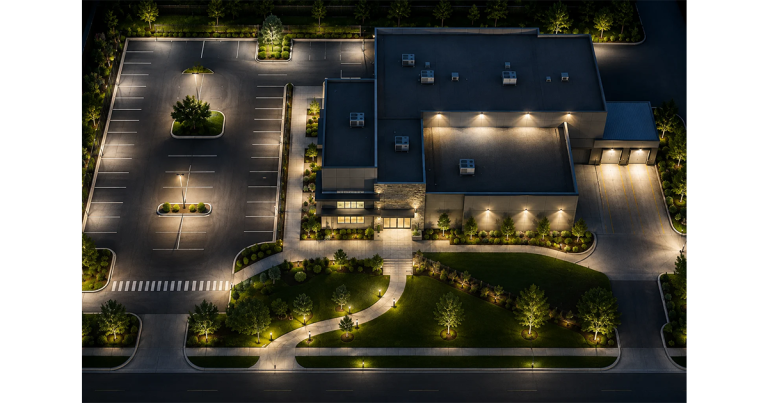
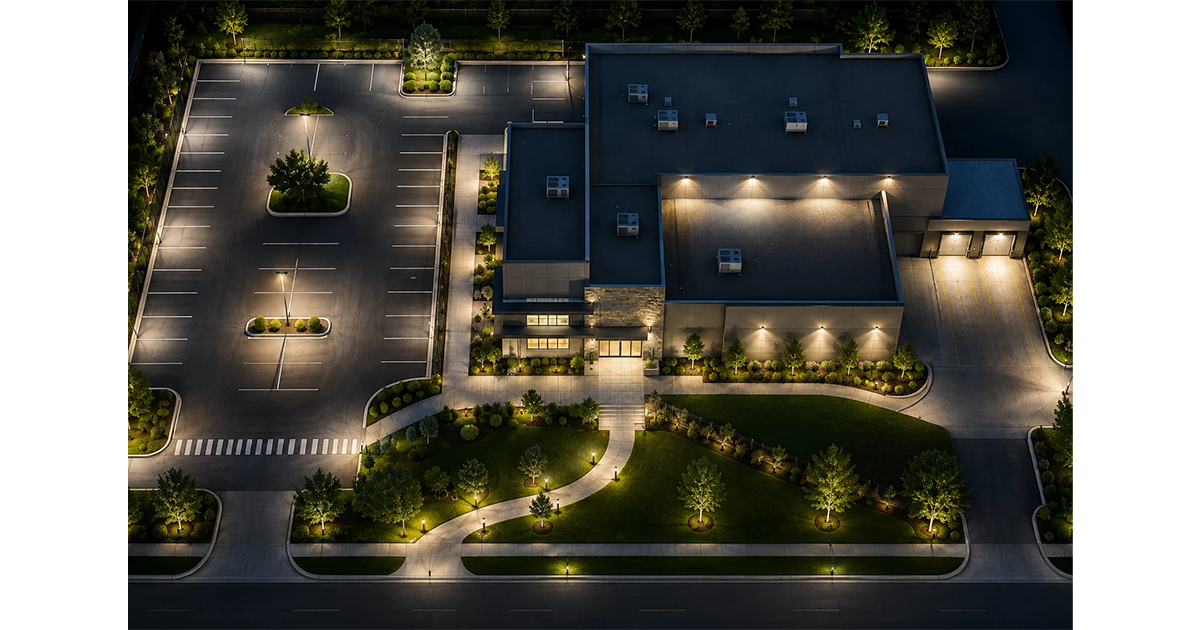
    September 17, 2026 By Stanpro The right outdoor light starts with the space you need to illuminate and how that space is used. For commercial projects, parking lots and large exterior areas point toward area lights; entrances and building perimeters toward wall-mounted or security lighting; signs, facades and targeted areas toward flood lights; pathways toward… Read More…

  • Alberta Employers and Tradespeople Share their Perspectives

    Alberta Employers and Tradespeople Share their Perspectives

    September 16, 2026 In Alberta’s skilled trades labour market employers and tradespeople are facing growing pressure from tariffs, rising costs, hiring challenges and labour mobility barriers. CAF-FCA’s new report, Hiring, Mobility and Needed Supports: Alberta Employers and Tradespeople Share Their Perspectives, takes a closer look at what’s happening on the ground. Based on surveys of… Read More…

  • Goal Zero YETI 3000X Power Stations Recalled due to Fire and Burn Hazards

    Goal Zero YETI 3000X Power Stations Recalled due to Fire and Burn Hazards

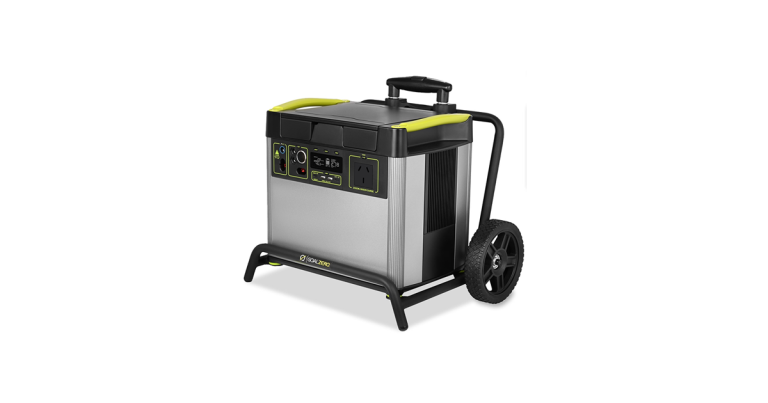
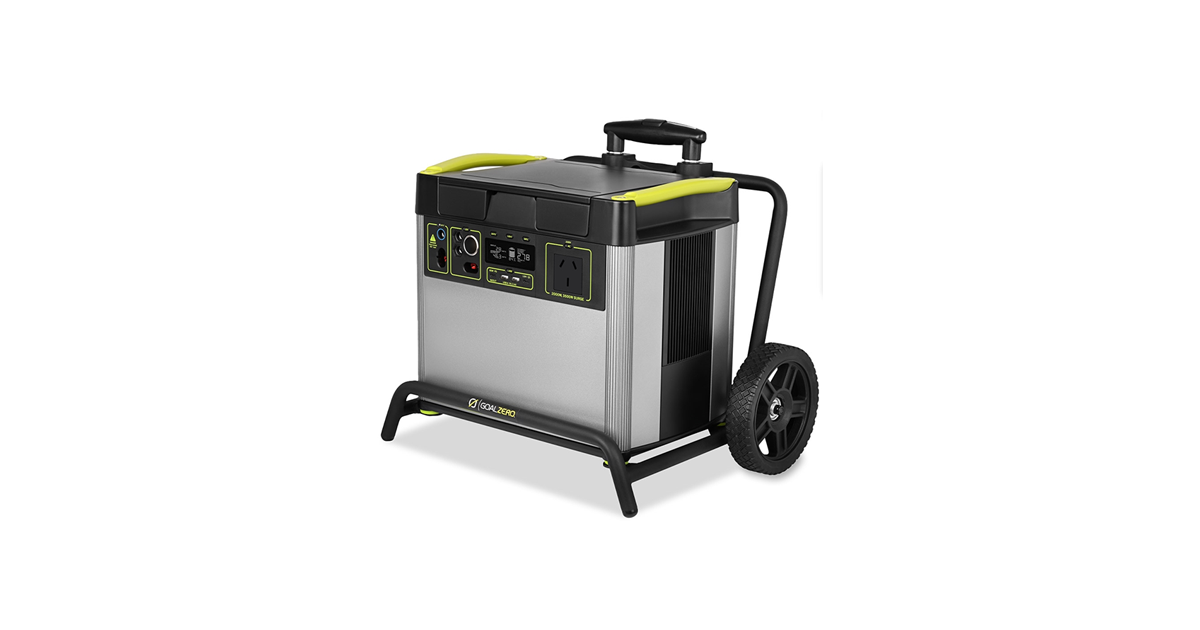
    September 16, 2026 This recall involves Goal Zero YETI 3000X power stations. The silver and black portable power stations measure about 62 centimetres (24.4 inches) high, 47 centimetres (18.5 inches) wide, 57 centimetres (22.3 inches) deep and weigh approximately 42 kilograms (92 pounds). The power stations have yellow handles and a digital display at the… Read More…


Changing Scene

  • LEDVANCE Canada Marks 10 Years of Innovation and Growth and Looks Ahead to Its Next Chapter in the Canadian Market

    LEDVANCE Canada Marks 10 Years of Innovation and Growth and Looks Ahead to Its Next Chapter in the Canadian Market

    September 25, 2026 From legacy lighting leader to solutions partner, LEDVANCE is entering its next decade with a clear focus on Canadian customers, communities, and market needs LEDVANCE Canada is marking the 10th anniversary of LEDVANCE as an independent brand by celebrating a decade of growth, customer partnerships, and continued investment in solutions designed around… Read More…

  • EFC Welcomes Patrick McManus as Incoming President & CEO

    EFC Welcomes Patrick McManus as Incoming President & CEO

    September 25, 2026 Electro-Federation Canada (EFC) is pleased to announce the appointment of Patrick McManus as President & CEO, effective October 13, 2026. McManus will succeed Carol McGlogan, who is retiring following 10 years with EFC. McGlogan will remain with the organization through the end of 2026 to support a smooth leadership transition. McManus is… Read More…

  • Innovair Solutions Acquires TRM Heating Cables

    Innovair Solutions Acquires TRM Heating Cables

    September 18, 2026 Innovair Solutions has announced the acquisition of TRM Heating Cables, a Toronto-based Canadian company specializing in heating cables for commercial and industrial applications. Founded in 2001, TRM has built strong technical expertise in the sale and installation of specialized products, including self-regulating cables, mineral-insulated cables and electric floor heating systems. The company… Read More…

  • Electrical Safety Authority Honours Leaders Helping Build a Safer, More Electrified Future

    Electrical Safety Authority Honours Leaders Helping Build a Safer, More Electrified Future

    September 17, 2026 From preparing the next generation of skilled workers to supporting one of the world’s largest sporting events, this year’s recipients demonstrate how electrical safety supports Ontario’s future As Ontario electrifies homes, transportation and industry, the Electrical Safety Authority (ESA) has recognized the organizations and individuals helping ensure safety keeps pace with that… Read More…