Arc Flash Alphabet Soup: Understanding the Hazard Behind the Acronyms and Technical Terms (Part 3)
Arc Flash Risk Assessment


Jim Pollard

In Arc Flash Part 1, Jim Pollard reviews technical terminology and acronyms.
In Arc Flash Part 2, what causes an arc flash and how to prevent it.

The latest edition of CSA Z462, published in January, requires an arc flash risk assessment. This process is used to determine if an arc flash hazard exists (hazard identification), estimating the potential severity of injury or damage to health and estimating the likelihood of the occurrence. Risk is defined as being a combination of the severity and likelihood. The requirement to perform an arc flash risk assessment is a fundamental part of any comprehensive electrical safety program. Different types of risk assessment processes can be used, including the arc flash PPE category method within the CSA Z462-15 standard.

The arc flash PPE category method requires the use of tables from within the CSA Z462-15 standard. The following steps are completed when using this method:
• Determine if arc flash PPE is required through arc flash hazard identification (work task and equipment condition)
• Determine arc flash PPE categories for AC and DC systems (equipment types, voltage levels and specific electrical parameters)
• Outline arc flash PPE and other personal protective equipment requirements for each of the arc flash PPE categories (1-4)

The incident energy analysis method requires the use of engineering based calculations using the IEEE 1584 standard to estimate the incident energy exposure level. Arc flash PPE is then selected based on the incident energy so the arc rating matches or exceeds the incident energy calculated.

PPE is one of the most readily available solutions to protect workers; however, it should be used as a last line of defense.

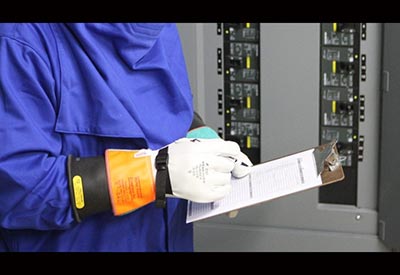
Arc flash PPE consists of specially designed and appropriately tested products suitable for use by workers that need protection from the heat of an arc flash hazard. Employers are required to ensure workers within the arc flash boundary wear appropriate full body protection when it is determined that arc flash PPE is necessary based on an arc flash risk assessment.

There are hundreds, if not thousands, of different arc flash PPE products available on the market. Arc-rated PPE product segments include clothing, face shields, arc flash suits, outerwear and specialized equipment. All arc-rated PPE is available with the associated laboratory testing documentation — employers just need to ask for it. Unlikeshock protective PPE, arc flash PPE doesn’t require recertification. At the very least, all arc-rated PPE shall indicate compliance with ASTM F1506, which outlines performance specification for flame resistant and arc flash textiles specifically for electrical workers.

The product label is the best indication of its compliance, but only destructive testing can verify a manufacturer’s claims.

Training is also an important component and there are several formats available, including on-the-job, e-learning, instructor-led and blended learning (e-learning and instructor-led training). Both e-learning and instructor-led training formats can be considered classroom training, either in the traditional sense or virtual. Any worker exposed to electrical hazards in the workplace requires adequate training suitable for their role and appropriate for the risk of their exposure. This includes both electrical and non-electrical workers.

In Arc Flash Part 1, Jim Pollard reviews technical terminology and acronyms.
In Arc Flash Part 2, what causes an arc flash and how to prevent it.


Jim Pollard is a member of several technical committees, including CSA Z462. He is the owner of Unlimited PPE in Stoney Creek, Ont., and he can be reached at jim@unlimitedppe.com or (905) 573-0300.

Reprinted by permission of Canadian Occupational Safety © Thomson Reuters Canada Ltd., April/May 2015, Toronto, Ontario, 1-800-387-5164. Web: www.cos-mag.com.


 

Related Articles


Latest Articles

  • Winnipeg Information Bulletin: Low-Risk Voice, Data, Video & Security System Installations

    Winnipeg Information Bulletin: Low-Risk Voice, Data, Video & Security System Installations

    September 17, 2026 Certain types of installations may qualify for a low-risk voice, data, video (VDV) and security system electrical permit. For information related to regular VDV/security system installations, see winnipeg.ca/vdvsystems. Applications must be submitted through Permits Online. Electrical permits and inspections are needed for certain installations of security and similar alarm systems. This makes… Read More…

  • What Type of Outdoor Light Do I Need for My Application?

    What Type of Outdoor Light Do I Need for My Application?

    September 17, 2026 By Stanpro The right outdoor light starts with the space you need to illuminate and how that space is used. For commercial projects, parking lots and large exterior areas point toward area lights; entrances and building perimeters toward wall-mounted or security lighting; signs, facades and targeted areas toward flood lights; pathways toward… Read More…

  • Alberta Employers and Tradespeople Share their Perspectives

    Alberta Employers and Tradespeople Share their Perspectives

    September 16, 2026 In Alberta’s skilled trades labour market employers and tradespeople are facing growing pressure from tariffs, rising costs, hiring challenges and labour mobility barriers. CAF-FCA’s new report, Hiring, Mobility and Needed Supports: Alberta Employers and Tradespeople Share Their Perspectives, takes a closer look at what’s happening on the ground. Based on surveys of… Read More…

  • Goal Zero YETI 3000X Power Stations Recalled due to Fire and Burn Hazards

    Goal Zero YETI 3000X Power Stations Recalled due to Fire and Burn Hazards

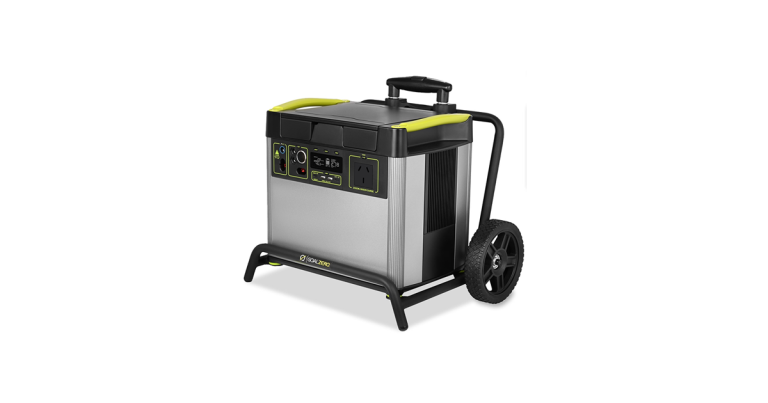
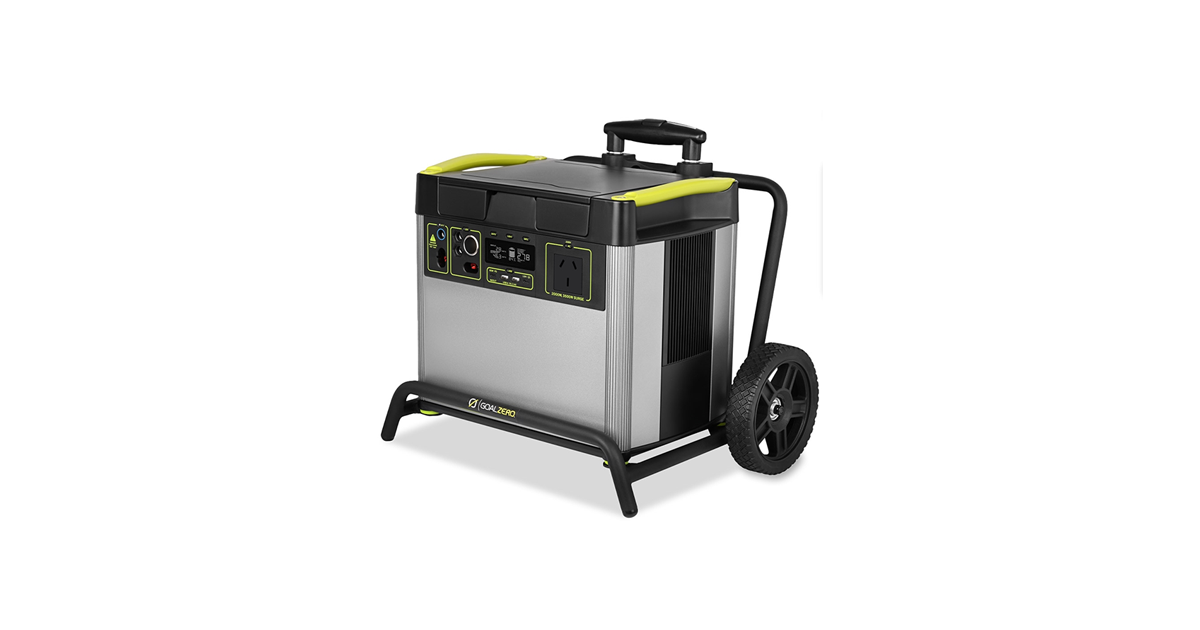
    September 16, 2026 This recall involves Goal Zero YETI 3000X power stations. The silver and black portable power stations measure about 62 centimetres (24.4 inches) high, 47 centimetres (18.5 inches) wide, 57 centimetres (22.3 inches) deep and weigh approximately 42 kilograms (92 pounds). The power stations have yellow handles and a digital display at the… Read More…


Changing Scene

  • LEDVANCE Canada Marks 10 Years of Innovation and Growth and Looks Ahead to Its Next Chapter in the Canadian Market

    LEDVANCE Canada Marks 10 Years of Innovation and Growth and Looks Ahead to Its Next Chapter in the Canadian Market

    September 25, 2026 From legacy lighting leader to solutions partner, LEDVANCE is entering its next decade with a clear focus on Canadian customers, communities, and market needs LEDVANCE Canada is marking the 10th anniversary of LEDVANCE as an independent brand by celebrating a decade of growth, customer partnerships, and continued investment in solutions designed around… Read More…

  • EFC Welcomes Patrick McManus as Incoming President & CEO

    EFC Welcomes Patrick McManus as Incoming President & CEO

    September 25, 2026 Electro-Federation Canada (EFC) is pleased to announce the appointment of Patrick McManus as President & CEO, effective October 13, 2026. McManus will succeed Carol McGlogan, who is retiring following 10 years with EFC. McGlogan will remain with the organization through the end of 2026 to support a smooth leadership transition. McManus is… Read More…

  • Innovair Solutions Acquires TRM Heating Cables

    Innovair Solutions Acquires TRM Heating Cables

    September 18, 2026 Innovair Solutions has announced the acquisition of TRM Heating Cables, a Toronto-based Canadian company specializing in heating cables for commercial and industrial applications. Founded in 2001, TRM has built strong technical expertise in the sale and installation of specialized products, including self-regulating cables, mineral-insulated cables and electric floor heating systems. The company… Read More…

  • Electrical Safety Authority Honours Leaders Helping Build a Safer, More Electrified Future

    Electrical Safety Authority Honours Leaders Helping Build a Safer, More Electrified Future

    September 17, 2026 From preparing the next generation of skilled workers to supporting one of the world’s largest sporting events, this year’s recipients demonstrate how electrical safety supports Ontario’s future As Ontario electrifies homes, transportation and industry, the Electrical Safety Authority (ESA) has recognized the organizations and individuals helping ensure safety keeps pace with that… Read More…