From Estimate to Final Invoice: Five Workflow Habits That Help Small Electrical Contractors Protect Their Time and Margins

October 19, 2026
By Kuldeep Sharma
For a small electrical contractor, the work between an estimate and a final invoice can be surprisingly difficult to track. A customer approves one scope, a site visit reveals another issue, and a short phone conversation changes what the crew will do. If those decisions stay in someone’s memory or scattered messages, the final invoice becomes harder to explain and harder to prepare.
A consistent paperwork routine helps. It gives the customer a clear record of what they agreed to and gives the contractor a reliable path from the first site notes to the final bill. These five habits are useful whether a business uses dedicated software, a spreadsheet, or carefully maintained documents.

1. Describe the scope in terms the customer can recognize
An estimate should make the proposed work easy to identify. “Electrical repairs” may be quick to type, but it leaves room for different interpretations. A clearer description identifies the area, the task, and any important limits: for example, replacing two damaged receptacles in the kitchen and testing the affected circuit after installation.
Separate labour, materials, and other charges where that helps the customer understand the price. Record assumptions that could change it. If wall repairs, permit fees, or work on an unrelated circuit are outside the estimate, say so plainly. The aim is not to make every estimate long. It is to make the work and the price understandable before the customer decides.
This also helps the contractor. When the job begins days or weeks later, a specific estimate is a useful reference for ordering materials, assigning time, and checking whether the finished work matches the original agreement.
2. Keep the approval with the version the customer saw
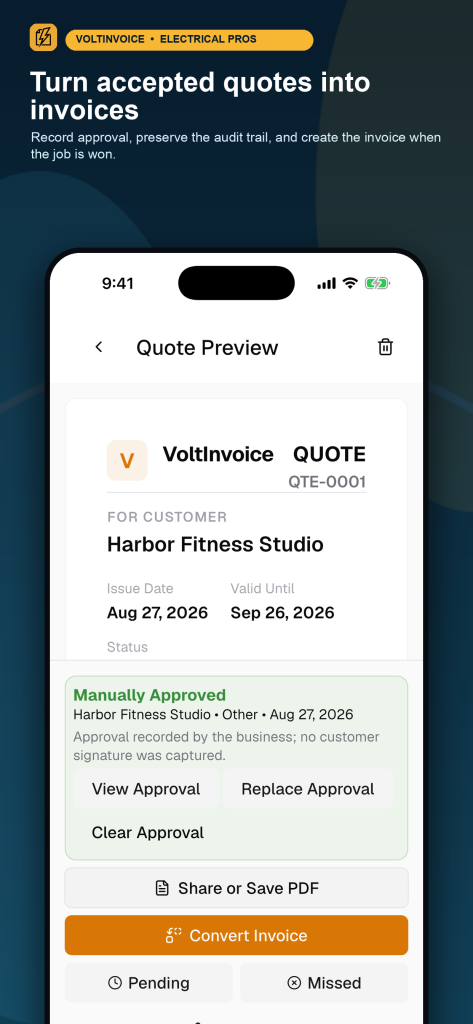
An approval is most useful when it can be connected to a particular estimate. If a price or scope changes after the first version is sent, retain the earlier version and make the revision clear. Otherwise, a text message saying “looks good” may be difficult to match to the work that was actually approved.
A simple routine is to give each estimate a reference number, date each revision, and record when and how the customer approved it. A signed document or recorded digital approval can provide a convenient record. If approval comes by email, preserve the message with the estimate it refers to.
The record should be easy for both sides to retrieve. It should answer three basic questions: What work was proposed? What price was presented? Which version did the customer accept?
3. Record changes while the job is happening
Changes are common in electrical work. An inspection may expose a damaged component, a customer may request an additional fixture, or access conditions may differ from what was visible during the estimate. The paperwork problem begins when the change is agreed verbally but written down only at invoicing time.
Give the person on site a quick way to capture a change: what was found or requested, the added work, its price or pricing basis, and the customer’s decision. Where practical, send a written change for approval before carrying out the additional work. If an urgent situation requires a different sequence, document the circumstances and the communication as soon as possible.
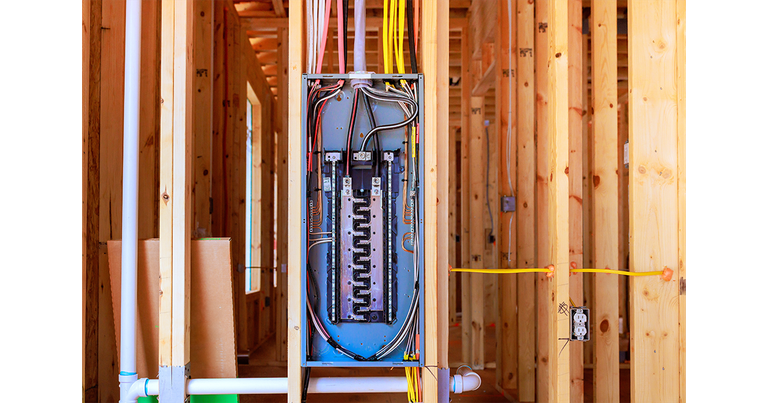
Photos and job notes can add context, but they should not replace a clear description of the change. A photograph of an open panel may be meaningful to the electrician and still leave the customer unsure why the invoice increased.
4. Carry agreed details into the invoice
The final invoice should follow the job’s documented history. Starting it from a blank page creates another opportunity to omit a line item, use an outdated price, or describe the work differently from the approved estimate.
Before sending the invoice, compare it with the accepted estimate and every approved change. Confirm quantities, materials, labour, taxes where applicable, and any deposit or prior payment. Identify changes as separate lines or notes so the customer can see how the total developed. If part of the original scope was not performed, remove or adjust it rather than relying on an explanation after the invoice is sent.
For a small team, a short closing checklist can be enough: accepted scope checked, changes included, completed work verified, payment information reviewed, and customer contact details confirmed. The final review takes less effort than reconstructing a job weeks later.
5. Learn from the completed job
An invoice closes a transaction, but it can also improve the next estimate. Compare the planned work with the time and materials actually used. Note which descriptions led to questions, which recurring tasks were priced too loosely, and which job details were repeatedly missed.
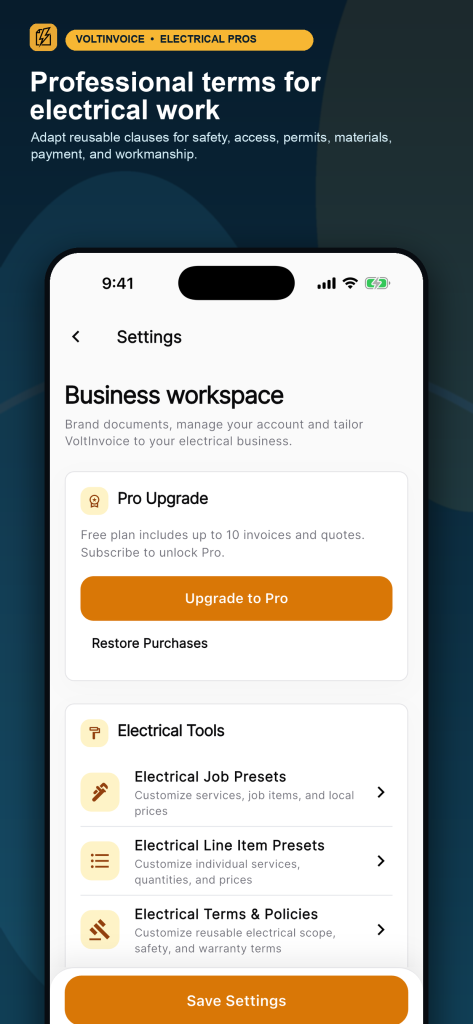
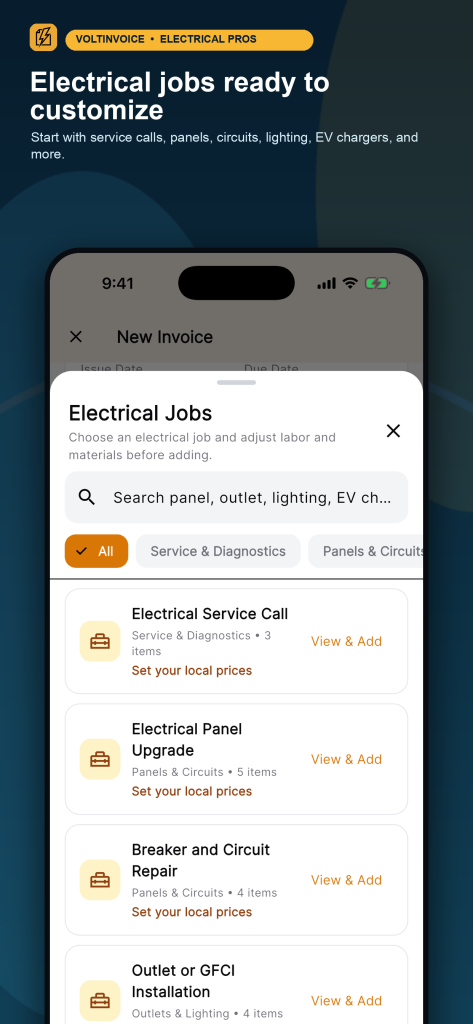
Create reusable descriptions for common work, then edit them for each site. A standard line for replacing a receptacle, installing a fixture, or tracing a fault can save typing and improve consistency. It should never be treated as a substitute for checking the conditions of the particular job.
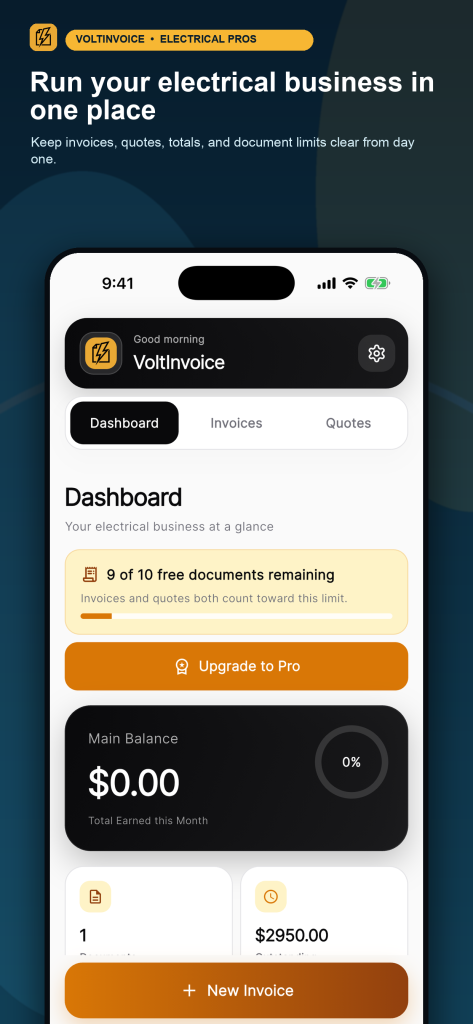
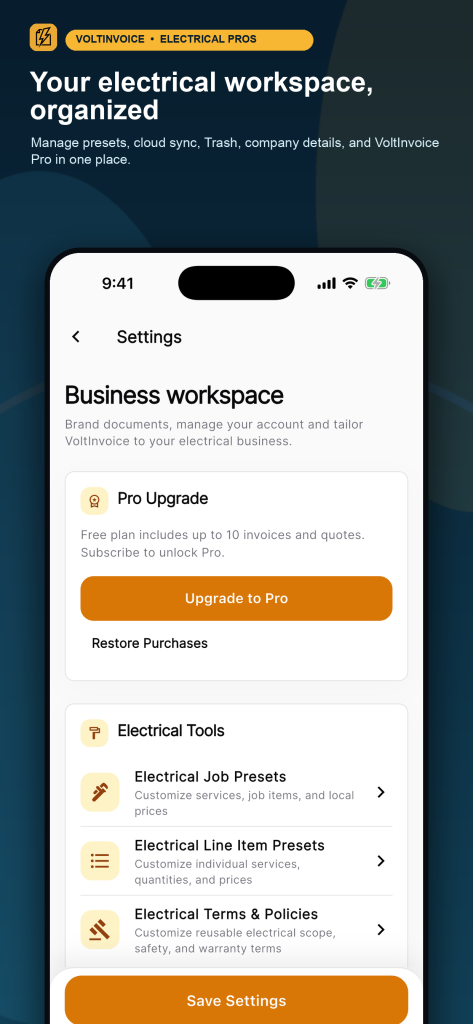
A focused estimating and invoicing app such as VoltInvoice is one way to keep quotes, approval records, and invoices together. The underlying habit matters more than the tool: maintain one traceable record of the agreed scope and update it as the job changes.
Clear paperwork does not eliminate surprises on site. It does make those surprises easier to discuss, price, approve, and explain. For an independent contractor with limited administrative time, that is a practical way to protect both the customer relationship and the value of the work.