Building Permits Rise 3.1% in March

May 18, 2018
Following a 2.8% decline in February, the value of building permits issued by Canadian municipalities increased 3.1% to $8.4 billion in March. The rise resulted mainly from higher construction intentions for multi-family dwellings, particularly in Quebec and British Columbia, and, to a lesser extent, by the commercial component.
Residential sector: rise in multi-family component offsets decline in single-family component
Municipalities issued $5.4 billion worth of residential building permits in March, up 2.3% from February. A notable increase in the multi-family component more than offset lower construction intentions for single-family dwellings. Although eight provinces reported declines in the residential sector in March, higher construction intentions in Quebec (+$373.8 million) and British Columbia (+$179.5 million) raised the national total.
The value of building permits for multi-family dwellings rose 12.2% to a record $3.0 billion in March. The increase was largely attributable to higher construction intentions for apartment buildings. Quebec and British Columbia registered the largest increases in the multi-family component, stemming from apartment buildings and, to a lesser extent, row houses.
Conversely, single-family construction intentions fell 7.9% to $2.4 billion in March, with Ontario posting the largest decline (-13.7% or -$153.1 million). The census metropolitan area (CMA) of Toronto posted the largest decrease in the single-family component, down 27.6% to $302.3 million and a second consecutive monthly decline.
Non-residential sector: higher commercial construction intentions lead the sector’s rise
The value of building permits for non-residential structures rose 4.5% to $3.0 billion in March, after a 6.4% decline in February. Higher construction intentions for commercial buildings led the increase, moderated by a decline in the institutional component. In March, six provinces registered increases in the value of non-residential permits, led by British Columbia—the only province to register gains in all three non-residential components.
Construction intentions for commercial structures rose 10.0% to $1.7 billion in March. British Columbia (+59.3%) posted the largest increase, the result of increased activity in office buildings.
The value of building permits issued for industrial structures rose 11.6% to $666.5 million in March, largely the result of primary industry buildings, which includes farm buildings and greenhouses.
The institutional component fell 12.7% to $647.7 million in March, led by Quebec and Alberta. Nationally, lower construction intentions for hospitals contributed to the decline.
First quarter: the value of multi-family dwellings leads the rise
Canadian municipalities issued $24.9 billion worth of building permits in the first quarter of 2018, up 3.3% compared with the fourth quarter of 2017.
Construction intentions for residential dwellings led the national increase, rising 6.9% from the fourth quarter of 2017 to $15.9 billion in the first quarter of 2018. The 18.4% increase of the multi-family component more than offset a 3.5% decline in the single-family component.
On the other hand, the value of non-residential building permits fell 2.6% from the fourth quarter of 2017 to $9.0 billion in the first quarter of 2018. The drop was the result of lower activity in both the industrial and institutional components.
Source: Statistics Canada, www.statcan.gc.ca/daily-quotidien/180509/dq180509a-eng.htm
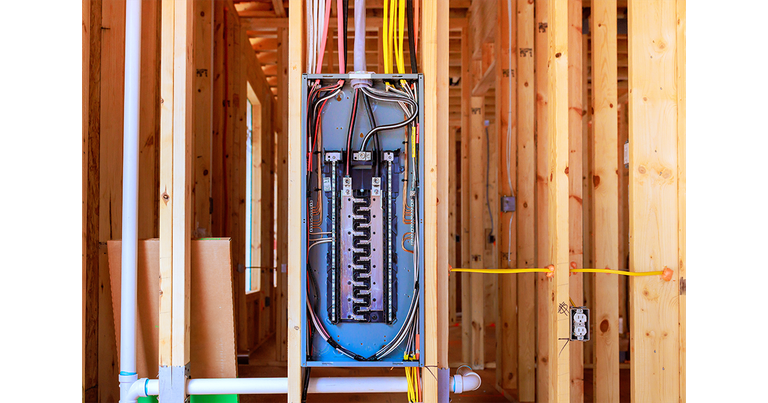
![Guide to the Canadian Electrical Code, Part 1[i], 26th Edition– A Road Map: Section 74 — Airport installations](https://electricalindustry.ca/wp-content/uploads/2026/05/EIN-Stock-Guide-Code-Canada-Map-1200-768x403.png)



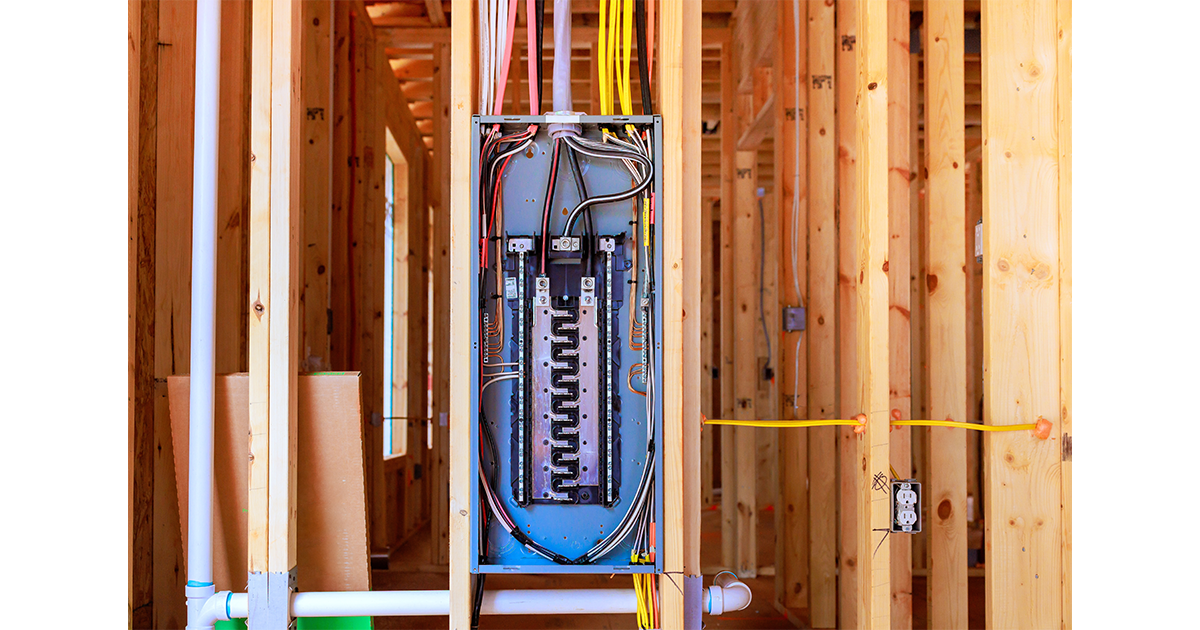
![Guide to the Canadian Electrical Code, Part 1[i], 26th Edition– A Road Map: Section 74 — Airport installations](https://electricalindustry.ca/wp-content/uploads/2026/05/EIN-Stock-Guide-Code-Canada-Map-1200.png)