A Comprehensive Approach to LED Lighting, EV Charging, Solar Installations, and the Importance of Understanding Government Incentives
January 15, 2024
By Blake Marchand
Nedco Energy Solutions (NES) provides a comprehensive approach to energy solutions ranging from LED lighting retrofits to EV charging, solar installations, microgrids, energy storage, and power quality. As a national organization, they have experts across the country that are uniquely positioned to advise clients and develop strategies to best deploy their projects. This is particularly relevant to organizations with facilities in multiple parts of the country. NES can help develop a strategy with regional nuances in mind, as well as leveraging contractors across the country to carry out the installation.
Government energy efficiency incentives and rebates are a key consideration across all solutions and markets in which NES operates. Managing the rebate piece can be daunting for those not familiar with the process. This is a key value add for NES. They have specialists across the country that have unique experience in rebate frameworks regionally and nationally.
In discussion with Chris Haas, Director of Energy Solutions with Nedco, this article focuses on Lighting Upgrades, EV charging, and Solar Installations – how NES helps their clients through the project planning and implementation process, as well as the incentive/rebate landscape.
LED Upgrades and Key Considerations
The first step in the process is clearly understanding what the client’s goals are for their lighting upgrade. This can include, for example, specific goals around reducing energy consumption, staying within capital budget considerations and return on investment (ROI) expectations.
From there, NES looks to any technical considerations, facility specific needs, previous/partial upgrades, underlit areas, light quality, and safety.
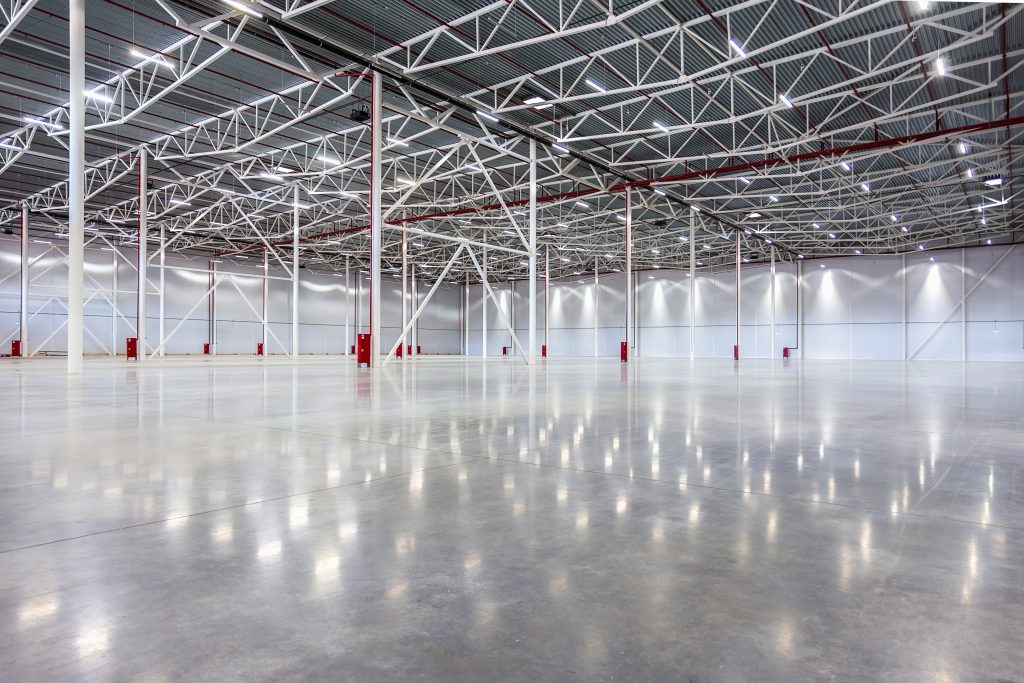
When it comes to installation, Nedco subcontracts the work using their contractor client base, providing flexibility for facilities across the country, allowing them to meet any criteria clients may have for contractors. Whether its certain safety certifications, union shops, or location.
“We have this fantastic network of contractors that we use that are our customers,” said Haas, “It’s good for them because we’re bringing them business. It’s good for us because we know them. And it’s good for the client because we can really put a package together with what their needs are from an installation perspective.”
Challenges often come down to out of date or a lack of drawings for the facility. The facilities they work in typically range in age, as well as the age of the technologies implemented. Whether it’s an industrial facility that requires hazardous area rated fixtures, and what voltages are used in the facility.
“From a client perspective, we’re the ones collecting all that information, then we collect whatever’s missing in the audit and do a full-blown audit of the whole facility,” noted Haas, “We’re capturing information of the space – ceiling heights, light levels, any sort of special considerations in that space, anything that’s under lit – and putting it all into one whole package for the client.”
“Proper commissioning plays a very important role in effective, trouble-free controls,” she explained, “Nedco has both internal expertise and utilizes 3rd party commissioning when required. There are situations where power quality issues may cause controls issues. NES also has internal power quality experts that can help with this sort of troubleshooting.”
Haas noted a recent project where they ran into that issue, there were some issues with the lighting post-installation that ended up being related to power quality. In that instance they were able to bring in their power quality division to help resolve the issue. Power quality is an important aspect that can be difficult to detect at times but can impact the lifespan of equipment, lead to equipment malfunctions, and higher energy costs. Which is just another example of the value-add to working with an organization like Nedco that has expertise across a full complement of energy solutions.
LED Lighting Rebates
The lighting rebate process can be onerous, particularly if you have facilities in different areas and want to take advantage of government funding. Lighting rebates vary by province and NES can help clients get the most out of their projects.
Haas noted that Ontario, Quebec, and B.C. have the most well-defined systems for lighting. Nova Scotia has a hybrid system that offers rebates at the point of sale, as well as a custom project stream.
Ontario may be the most complicated because there is a series of steps you need to be aware of, in addition, the lighting program has been reconfigured multiple times in recent years. Nedco knows when those changes are coming before they take effect and are able to get clients in line for the right programs at the right times.
Transition Away from Fluorescent Lighting
The federal government is phasing out the use of fluorescent lamps, it was initially supposed to take effect at the end of 2023 but that has been pushed out to give the industry more time implement LED lighting. The manufacturing of fluorescent lamps will be phased out next year and retail is set to be banned in 2026.
“A facility that has not switched to LED lighting is risking not being able to procure fluorescent replacements in the future,” Chris explained.
It will be important for facilities to invest in LED upgrade while they can receive incentives to do so.
A Comprehensive Approach to EV Charging, Commissioning, and Installation
Similar to lighting, the project always starts with a discovery phase where NES and the client establish objectives, budget, who is using the charging stations, type of vehicles, speed requirements, how much power is available at the site, service and maintenance plans, and whether or not a client wants to use it as a revenue stream.
“A service upgrade is not always required. There are a number of load sharing technologies that can be used to avoid service upgrades. But this is very much related to each case and requires an assessment of availability of power and client requirements.”
Chris added that plans often evolve throughout the discovery phase, “Perhaps the client thinks they need four chargers, but they only have enough power availability for two and they don’t want to do the load sharing. So, during the discovery phase you help them piece together a plan.”
Beyond load sharing, they can also develop a comprehensive approach that incorporates solar and battery storage.
“I think in the future we’ll be seeing a lot of micro grids with heavy charging,” she said. There are companies developing and beginning to roll out ‘micro-grid on a skid’ solutions that will pair well with the EV infrastructure piece. Microgrids will be a key element to managing the increased demand for electricity as we continue the clean energy transition.
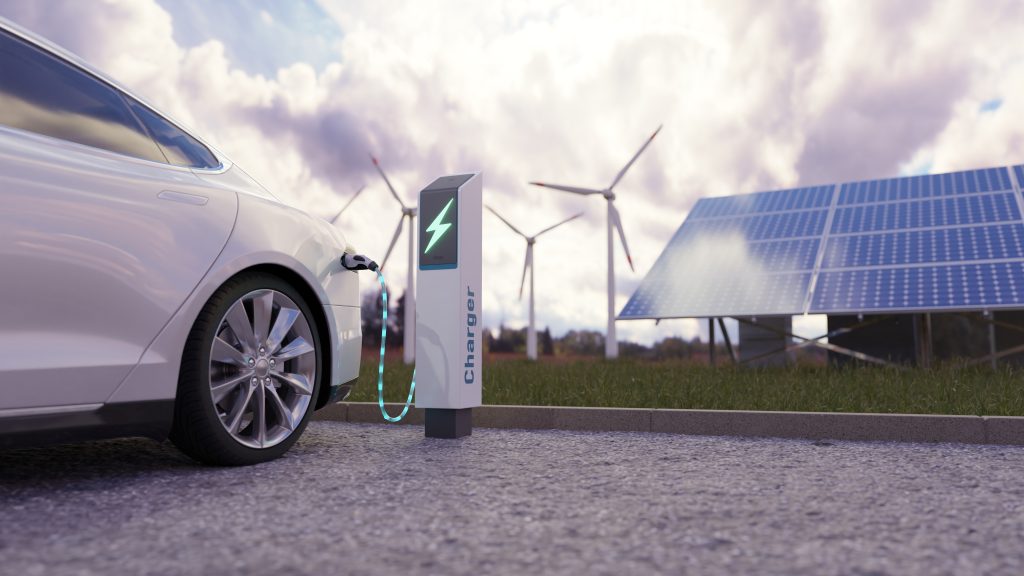
EV Charger Rebates
From the rebate perspective, money is typically dispersed through the federal Zero Emission Vehicle Infrastructure Program (ZEVIP) and regional programs like Ontario’s ChargeOn.
“Depending on timing and the type of incentive that applies, the incentives can fund between 50-75% of an EV project.”
NES focuses on commercial, multi-unit residential, and fleet management projects.
The EV rebate funding streams are not as well established and ironed out as the lighting streams. There are longer lead times when it comes to funding announcements and funding delivery. However, significant rebates are available.
“Clients really need a bit more certainty,” Haas said, they have had discussions with some utilities that have expressed interest in revamping the EV funding models to look more like the lighting programs.
“I think the EV funding programs would do well to use the lighting rebate model.”
When you are installing level 2 and, particularly, level 3 chargers, the cost of the project will be high, but as Haas noted, the funding available is significant.
“it’s difficult to get to the funding and but it’s it is substantial in terms of what people can get.”
Again, this is where working with NES becomes so beneficial, not only do they provide a comprehensive service from developing a strategy through to installation, but they also provide the added value of maneuvering a complicated rebate process that can cut costs significantly.
Solar Installation Considerations and Benefits

Again, the project always starts with a discovery phase to establish client objectives, budget, constraints, and determining an overall strategy. Whether its carbon reduction, energy savings, resilience, and in Ontario, avoiding global adjustment.
The IESO website explains global adjustment as, “another component which covers the cost of building new electricity infrastructure, maintaining and refurbishing existing generation resources and covers the cost of delivering conservation programs in order to ensure adequate electricity supply over the long term in the province of Ontario.”
Haas added that it can be “a very pricey piece of the electricity bill for folks that are in the Class A category, and solar can significantly help reduce your global adjustment .”
In the next phase of the project, NES will look at the physical infrastructure and surrounding environment. For rooftop solar, sufficient space (minus any ‘keep out’ areas and HVAC equipment) is required, and there are structural requirements in terms of the amount of weight the roof can support. Other considerations in the surrounding area include shading, trees, and any other obstructions.
Beyond reducing energy costs and providing certainty around energy expense, solar and energy storage installations provide significant operational benefits, particularly for industrial and agricultural applications by providing a reliable power supply to protect against outages leading to costly downtime. Additionally, energy can be stored and used during peak pricing periods to reduce energy costs .
Chris noted they have been doing work with dairy farms recently that are having challenges with resiliency, “In the area that [the dairy farms are in] there’s a lot of power outages and they’re looking at solar in combination with battery storage to help ensure more consistent energy.”
Solar Rebates
The federal government has recently released draft legislation for a Clean Technology Investment Tax Credit as part of the 2023 budget. The Clean Tech ITC provides up to 30% of the capital cost. The rebate is available in the tax year that the project becomes operational. The legislation received its first reading in parliament on November 30th. Property acquired on or after March 28th, 2023, is eligible for the rebate.
Haas also noted that, depending on the tax structure of the organization, they can take advantage of Classes 43.1 and 43.2 in Schedule II of Canada’s Income Tax Regulations, Natural Resources Canada explains, “capital costs of systems that produce energy by using renewable energy sources or fuels from waste or that conserve energy by using fuel more efficiently are eligible for accelerated capital cost allowance.”
For context, taking advantage of those two opportunities could potentially be worth $500,000 on a $1M project.
Before the Clean Tech ITC legislation was introduced, she said, “the incentives really just were not good enough. They were great during the FIT (Feed in Tariff) years 10-12 years ago and then virtually nothing. And now with this ITC, we’re seeing a lot more interest.”
Closing Thoughts
It’s important to note that current rebates and incentives for Solar and EV charging are very lucrative, Haas said, “these programs are very fluid, it is important for organizations to take advantage of these now while they are in place.”
Again, NES manages the project from commissioning to installation, as well as any troubleshooting post-installation. Meaning there is only one contact for the client.
“New installations may require facility staff training – ie. lighting control scenes etc, EV installations often rely on maintenance/service contracts with 3rd parties and manufacturers. NES helps with O&M manuals and the required training on a project-by-project basis,” noted Haas.
![Guide to the Canadian Electrical Code, Part 1[i], 26th Edition– A Road Map: Section 74 — Airport installations](https://electricalindustry.ca/wp-content/uploads/2026/05/EIN-Stock-Guide-Code-Canada-Map-1200-768x403.png)


![Guide to the Canadian Electrical Code, Part 1[i], 26th Edition– A Road Map: Section 74 — Airport installations](https://electricalindustry.ca/wp-content/uploads/2026/05/EIN-Stock-Guide-Code-Canada-Map-1200.png)