|

Why Electrical Load Calculations Are Being Rewritten by Residential Electrification
March 27, 2026

By Panel Upgrade Experts

Across Canada, residential electrical design has historically followed a predictable pattern. Load calculations were based on known appliance demands, typical usage patterns, and a relatively stable mix of gas and electric systems. For decades, that approach worked well.

That stability is starting to break.

The issue is not that electrical demand is increasing in a simple, linear way. It is that the composition of that demand is changing. Loads that were once intermittent or minimal are becoming continuous and significant, and multiple high-demand systems are now being introduced into the same residential environment.

In older design models, diversity factors played a meaningful role. Not every system would run at full capacity at the same time. Electric ranges cycled, air conditioning loads were seasonal, and many major systems were not electrically driven at all.

That framework becomes less reliable when several large electrical loads are added to a home simultaneously.

Electric vehicle charging is one of the clearest examples. A Level 2 charger can introduce a sustained load that runs for several hours at a time, often during overnight periods when other systems are still active. Unlike many traditional loads, this demand is both predictable and persistent.

At the same time, heat pump systems are being introduced as alternatives to gas heating. While highly efficient, they shift a significant portion of a home’s thermal load onto the electrical system. During colder periods, auxiliary heating elements can further increase demand, creating peak conditions that were not previously common in residential settings.

Kitchen loads are also evolving. Induction cooking, electric wall ovens, and additional small appliances are increasing both connected load and usage frequency. These changes are incremental on their own, but together they begin to alter the overall profile of the home.

What makes this shift more complex is not any single system, but the stacking effect. When electric vehicle charging, electrified heating, and modern appliance loads are all present, the assumptions that once guided panel sizing and service capacity begin to fall short.

In many cases, installations may still meet minimum code requirements. However, code compliance does not necessarily account for future additions or evolving usage patterns. Systems designed to meet current demand can quickly approach their limits as new equipment is introduced.

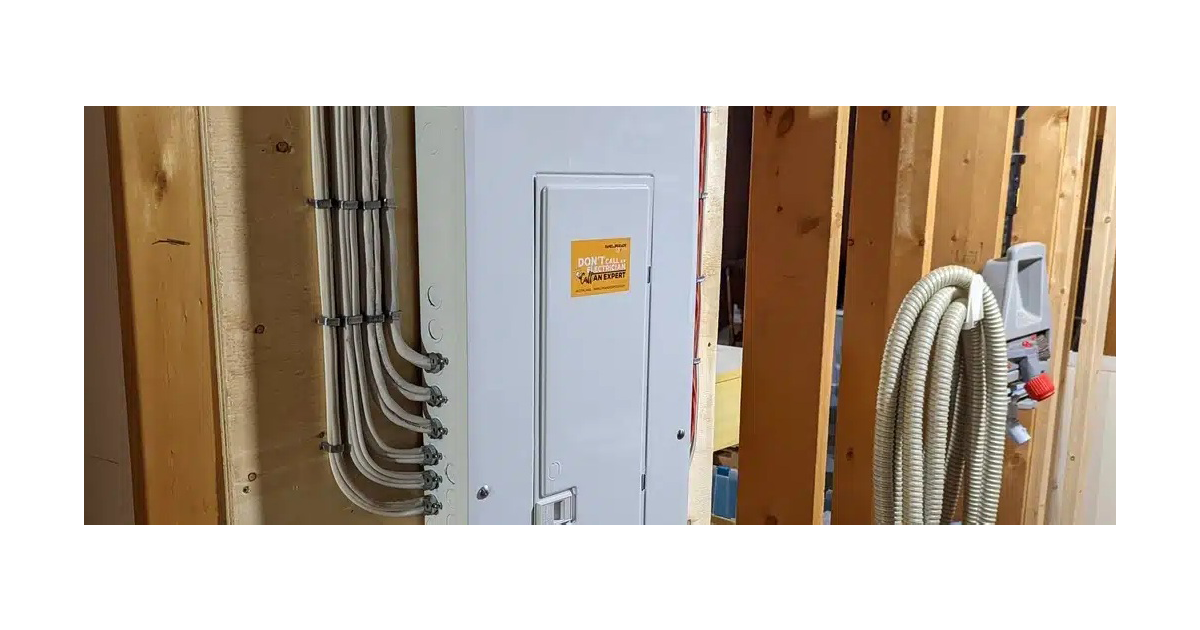
This is increasingly visible in the field. Electricians are encountering homes where available capacity is technically sufficient on paper, but leaves little room for expansion. Panel space becomes limited, load calculations approach maximum thresholds, and any additional equipment requires a reassessment of the entire system.

As a result, there is a growing shift toward planning for capacity rather than reacting to constraints.

In practical terms, this often leads to discussions around electrical panel upgrades earlier in the lifecycle of a home. Instead of waiting until capacity is fully exhausted, some projects are addressing these limitations in advance to accommodate anticipated loads.

The same considerations are beginning to influence how renewable systems are integrated. While rooftop solar can offset energy consumption, it does not eliminate the need for adequate electrical infrastructure. In fact, system design often depends on the configuration and capacity of the existing service.

For contractors, this creates a different kind of conversation with clients. The focus is shifting from installing a single system to understanding how multiple systems will coexist over time. Load calculations are no longer just a compliance exercise. They are becoming part of a broader planning process.

This does not mean that every home requires maximum capacity from the outset. However, it does suggest that traditional assumptions about residential electrical demand are no longer sufficient on their own.

As electrification continues to expand, the role of electrical infrastructure is becoming more central to residential design. What was once a background consideration is now a key factor in how homes are planned, upgraded, and adapted.

The challenge moving forward is not simply to meet today’s requirements, but to anticipate how those requirements are likely to change.


Related Articles


Latest Articles

  • ESA Provides an Update on its New Self-Serve Licensing Platform

    ESA Provides an Update on its New Self-Serve Licensing Platform

    March 27, 2026 In October 2025 Electrical Safety Authority (ESA) officially launched its new self-serve licensing platform, a modern system designed to transform how Master Electricians (MEs) and Licensed Electrical Contractors (LECs) manage their licensing needs. The platform replaces paper-based processes and provides a centralized, web-based experience for renewing and applying for licences, paying fees Read More…

  • BC Updates to Solar and Battery Rebate Program Come into Effect April/June 2026

    BC Updates to Solar and Battery Rebate Program Come into Effect April/June 2026

    March 27, 2026 Starting April 1, 2026, our battery rebate offer is changing. The offer will include: Applications submitted before April 1, 2026, will be reviewed under the current rebate amounts. New requirement for working with contractors Beginning June 1, 2026, solar and battery installations must be completed by a Home Performance Contractor Network (HPCN) member to Read More…

  • CSA Report: Online Sales of Unapproved Consumer Electrical Products in Canada

    CSA Report: Online Sales of Unapproved Consumer Electrical Products in Canada

    March 27, 2026 Canadian electrical regulators have identified that the online sales of unapproved consumer electrical products are of a serious concern, and with the growing number of online marketplaces globally there is likely a higher volume of unapproved, or non-compliant, consumer electrical products available for purchase to Canadian consumers. In 2025, Canadian Standards Association Read More…

  • Tackling Unsafe Electrical Products Sold Online: Key Outcomes from the National Workshop Agreement 

    Tackling Unsafe Electrical Products Sold Online: Key Outcomes from the National Workshop Agreement 

    March 27, 2026 By Electro-Federation Canada The rapid growth of e-commerce has transformed how Canadians purchase electrical products, but it has also introduced new safety risks. EFC members have been raising concerns for several years about the increasing availability of unsafe and unapproved electrical products sold online, often without clear evidence of certification or compliance with Canadian requirements. To Read More…


Changing Scene

  • Skills Ontario Supports Critical Skilled Trades Investment in the 2026 Ontario Budget

    Skills Ontario Supports Critical Skilled Trades Investment in the 2026 Ontario Budget

    March 27, 2026 — Skills Ontario welcomes the 2026 Ontario Budget: A Plan to Protect Ontario, released today by the Ontario Government and Minister of Finance Peter Bethlenfalvy, and applauds the continued commitment to investing in skilled trades, technologies, and workforce development. Skills Ontario was pleased to see the government maintain and strengthen its support Read More…

  • Toronto Hydro Launches New Pilot Program to Help Multiplex Builders Energize

    Toronto Hydro Launches New Pilot Program to Help Multiplex Builders Energize

    April 27, 2026 Toronto Hydro is launching a trailblazing customer pilot project designed to help local builders electrify multiplex housing without complex service upgrades. Through Toronto Hydro’s Multiplex PowerPlay, up to six multiplex projects can qualify to receive funding toward a smart energy load management system. Smart load management systems continuously monitor total building energy Read More…

  • Gescan and George Gordon Developments Strengthen Community Impact in Saskatchewan

    Gescan and George Gordon Developments Strengthen Community Impact in Saskatchewan

    March 25, 2026 Gescan, a Sonepar Company, is proud to highlight its continued commitment to supporting communities across Saskatchewan through their meaningful alliance with George Gordon Developments Ltd. (GGDL). With a strong focus on community development, workforce participation and inclusive growth, Gescan is working closely with GGDL to create training, employment and business opportunities for Saskatchewan residents. These efforts are particularly focused on supporting individuals Read More…

  • Electric Avenue Launches Incentive Program for EV Charging Installers

    Electric Avenue Launches Incentive Program for EV Charging Installers

    March 23, 2026 Halifax-based EV charging solutions provider Electric Avenue has announced the official launch of its new Contractor Incentive Program, a first-of-its-kind initiative in the EV charging industry, built exclusively for contractors who have completed the company’s Installer Certification course. The program rewards certified installers for every verified and networked installation they complete, offering cash Read More…