FortisBC Pilot Shows how Whole-Building Upgrades can Help Lower gas use, Emissions and Energy Costs
September 11, 2026
The results from FortisBC’s Deep Energy Retrofit Pilot demonstrate an effective pathway to improving existing, occupied buildings by significantly lowering gas use, associated emissions and gas utility costs in buildings while remaining connected to the gas system.
FortisBC has completed the evaluation phase of its multi-year pilot and is sharing the results from the four participating buildings. Together, the completed upgrades across the four multi-unit residential buildings reduced gas use by approximately 50 to 65 per cent,1 lowered associated greenhouse gas (GHG) emissions by approximately 50 to 60 per cent2 and delivered gas cost savings across the sites ranging from $8,000 to $27,000 over a one-year evaluation period.3
“The results from our Deep Energy Retrofit Pilot are incredibly encouraging because they show how existing buildings can be modernized to better serve the people who live in them,” said Doug Slater, vice president, Indigenous relations and regulatory affairs, FortisBC. “By taking a whole-building approach, these projects significantly lowered gas use, associated emissions and operating costs while helping residents enjoy more comfortable homes and improve building performance. Energy efficiency remains one of the most practical and cost-effective ways to help customers lower their energy use and support provincial climate action goals.”
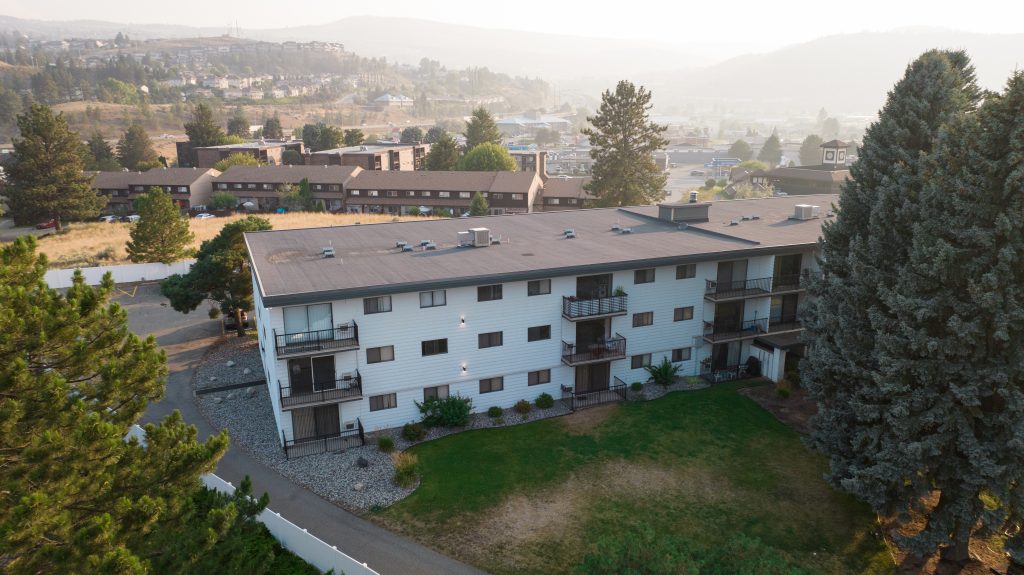
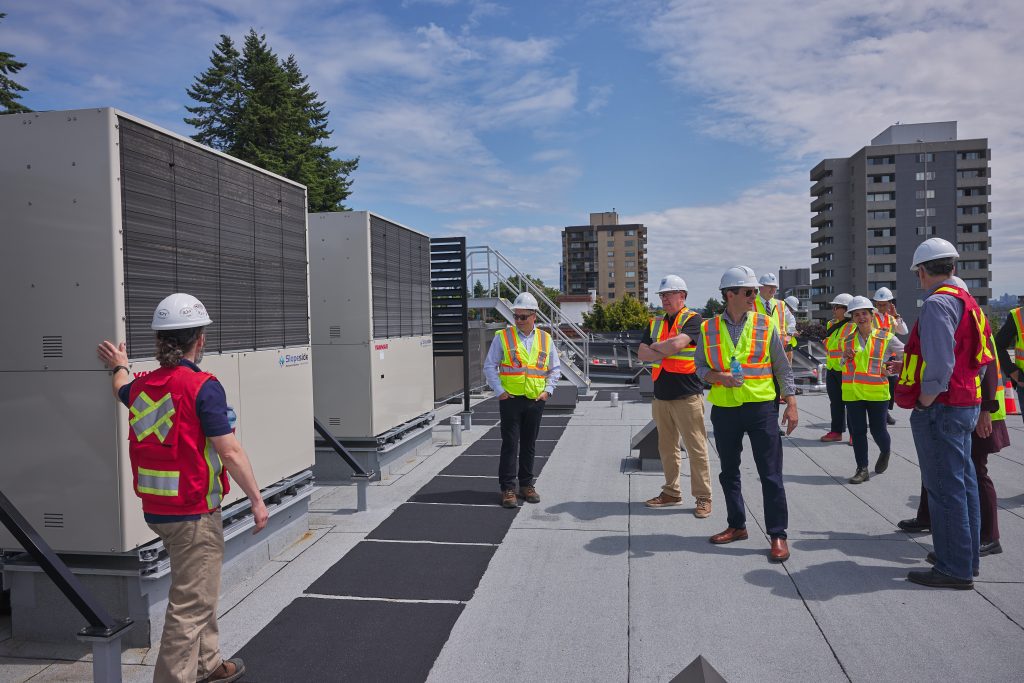
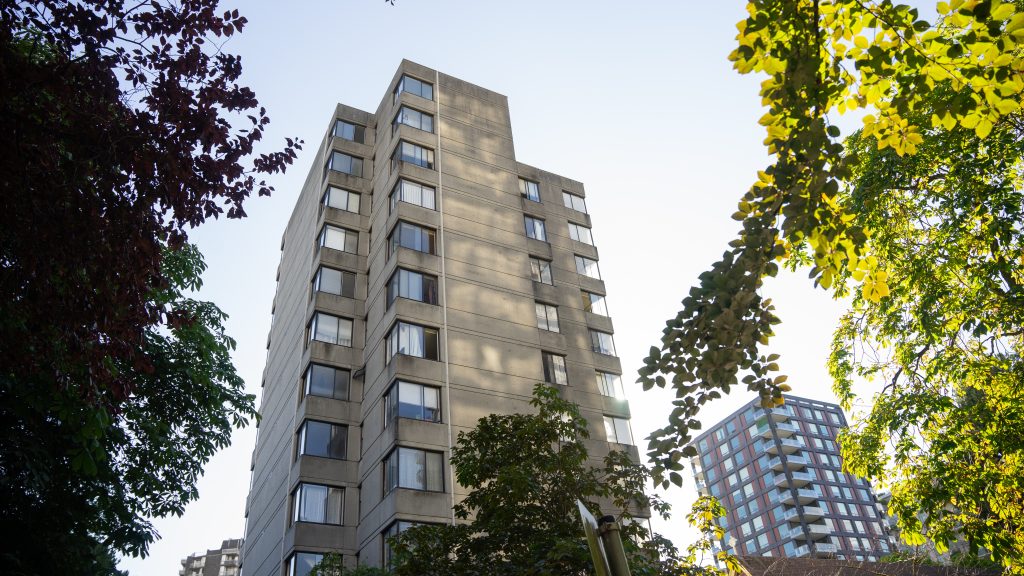
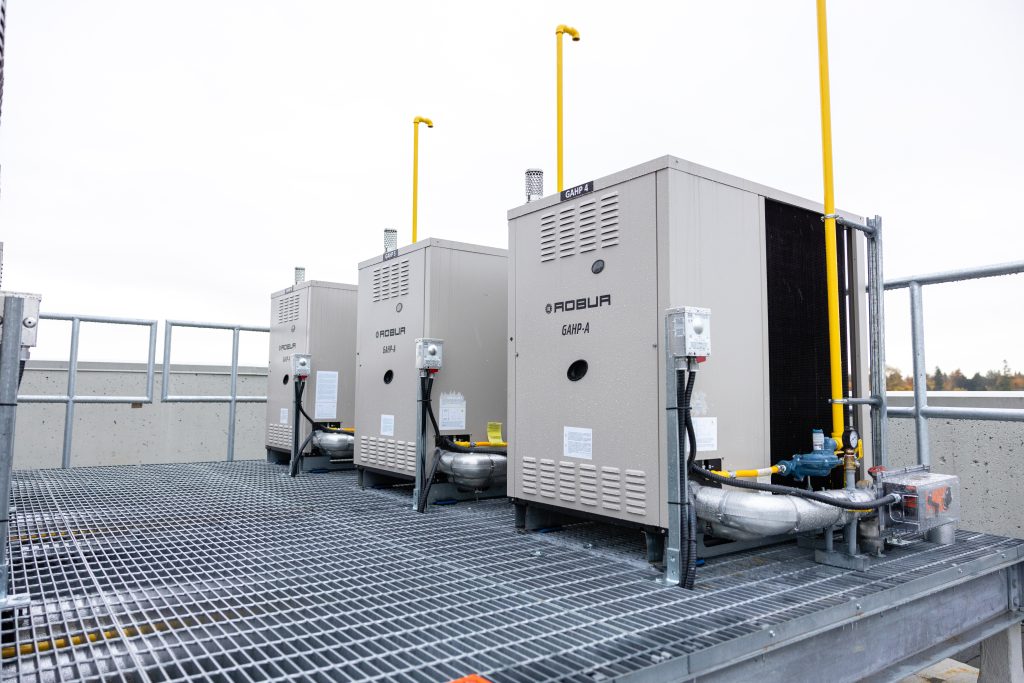
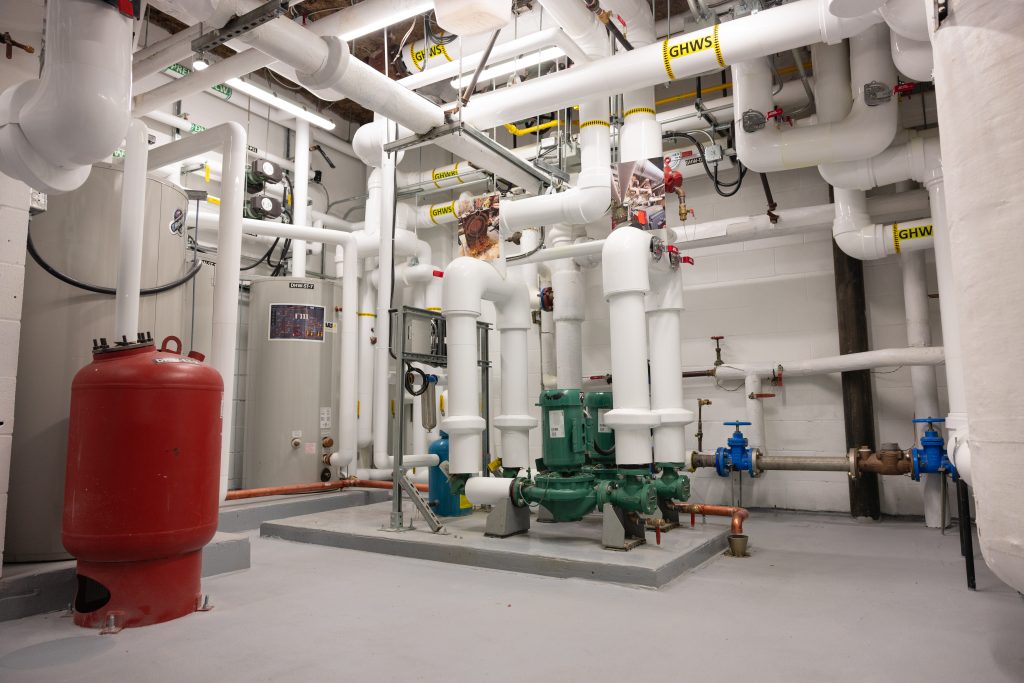
The results highlight a significant opportunity to take steps to help lower emissions in existing occupied buildings, and provide practical, real-world insights for communities, policymakers and building owners looking to reduce energy costs, improve resident comfort and lower associated emissions in support of provincial climate goals. FortisBC is now evaluating the performance data and insights from project participants and residents to determine how the results may inform a future deep energy retrofit program.
With many of today’s buildings expected to remain in use by 2050, deep energy retrofits improve energy efficiency, provide greater comfort for building occupants and reduce energy costs so that they can continue to be used in the years to come. In 2019, FortisBC began piloting deep energy retrofits to determine if it was possible to reduce gas use and associated emissions by 50 per cent or more in existing occupied multi-unit residential buildings that remained connected to the gas system. The results show the value that retrofits can provide to help building owners make effective use of existing infrastructure and provide them with flexible energy options.
The four projects at The Pendrellis, Manor House, Forte and Viscount Villa took a whole-building approach with each building receiving a different combination of upgrades including building envelope improvements and high-efficiency gas and electricity mechanical systems to improve energy efficiency while tenants continued to live in their suites. The pilot was a collaborative effort across different organizations that advanced whole-building design, engineering and construction upgrades to significantly improve each building’s energy performance.
- 1 Based on results from FortisBC’s Deep Energy Retrofit Pilot.
- 2 Based on results from FortisBC’s Deep Energy Retrofit Pilot.
- 3 Based on results from FortisBC’s Deep Energy Retrofit Pilot
The benefits extended beyond energy and cost savings. For example, following the retrofit at Manor House, residents reported fresher air in their suites,4 more consistent indoor temperatures and no recurrence of condensation issues previously experienced with the building’s windows. The findings indicate that deep energy retrofits can also improve comfort, moisture control and resilience during outdoor air-quality events.5
By testing these solutions in real-world settings and occupied buildings, the pilot highlights the significant opportunity to take steps to help lower emissions in existing buildings and provides practical, actionable insights. The pilot also shows how both the gas and electricity systems can work together to help support a lower carbon energy future.
To learn more about FortisBC’s Deep Energy Retrofit Pilot, visit fortisbc.com/retrofit.





![Guide to the Canadian Electrical Code, Part 1[i], 26th Edition– A Road Map: Section 70 & Section 72](https://electricalindustry.ca/wp-content/uploads/2026/05/EIN-Stock-Guide-Code-Canada-Map-1200.png)