Indigenous Communities Learning How to Develop Clean Energy Projects
May 21, 2017
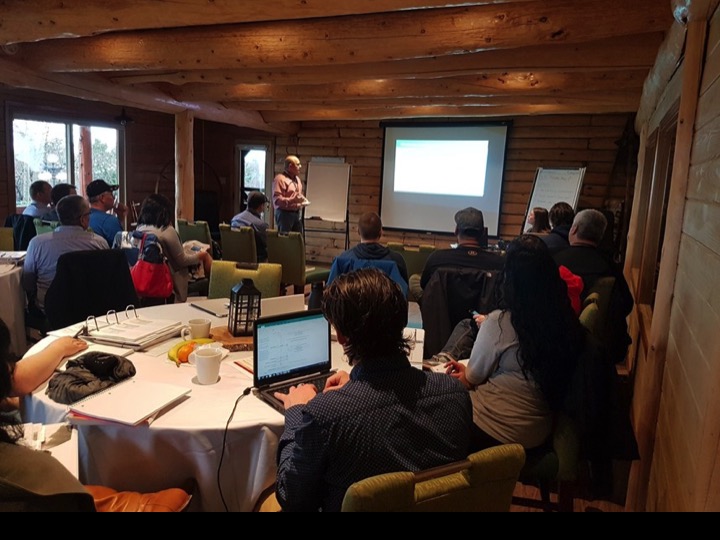
In early May 20 participants from Indigenous communities across Canada met in Richibucto, NB to learn about ways to develop clean energy projects in their communities as part of the second annual 20/20 Catalysts Program.
The program brings First Nations, Métis, and Inuit catalysts, or leaders, together to learn from Indigenous leaders who have completed their own clean energy projects as well as energy industry experts. Catalysts acquire skills, tools and knowledge on how to plan, finance and execute clean energy projects within their home communities.
“It’s an Indigenous clean energy capacity building program,” says Eryn Stewart, Program Manager of the 20/20 Catalysts Program. “What this program is doing is essentially helping communities move their clean energy projects forward, which can be a huge support to them socially and economically.”
Mentors and coaches guide and support the catalysts through the program, including experienced staff from NB Power.
“We have mentors from across the country who have already done projects of their own. Supporting these catalysts, these participants, in those initiatives is extremely valuable for the future of Canada going forward,” Stewart says.
The catalysts toured the Mactaquac Generating Station and the NB Power Products and Services Lab on May 9 to see how clean energy is being utilized in New Brunswick. Week two of the program will take place in Canmore, Alberta; week three, in Wakefield, Quebec.
The curriculum is made up of community engagement, business and project planning and financing. Sessions will cover such topics as smart communities, exploring energy efficiency and community energy planning simulations.
Over 165 clean energy projects with indigenous involvement are operating across Canada. Program participants are part of a group that will spread the ideas fostered in New Brunswick across the country to create more clean energy projects in the coming years.



![Guide to the Canadian Electrical Code, Part 1[i], 26th Edition– A Road Map: Section 76 — Temporary Wiring](https://electricalindustry.ca/wp-content/uploads/2026/05/EIN-Stock-Guide-Code-Canada-Map-1200.png)