Overcoming Common Cable Management Challenges in Modernizing Data Centers
June 10, 2024
By Bob Crain, Director of Marketing and Product Development at Legrand/Cablofil, emphasizes the crucial role cable management plays in creating efficient, secure and adaptable data centers in the face of rapid technological advancements.
In today’s modern digital era, data centers serve as the cornerstone of our information-centric world, playing a vital role in processing and disseminating enormous amounts of data across multiple sectors and various industries.
Due to the vast intricate network of cables within these centers, efficient cable management is crucial to the success of these facilities. A truly effective cable management system boasts a plethora of benefits, including optimizing data flow, maintaining data integrity, minimizing downtime and enhancing personnel safety. Collectively, all these advantages help to optimize the data center for peak performance, saving time, money and energy in the process.
For owners and operators wanting to fully optimize their data centers, the key to success is two-fold: develop a comprehensive understanding of the common challenges faced by evolving data centers and collaborate with an industry-leading cable management partner. Understanding the key cable management challenges facing modern data centers will allow owners and operators to improve the integrity of their infrastructure and enhance overall operational performance as well as inform their decisions on selecting effective cable management solutions.
Below, we delve into some of these noteworthy challenges before presenting industry-leading solutions that address these common problems.
Common Data Center Challenges
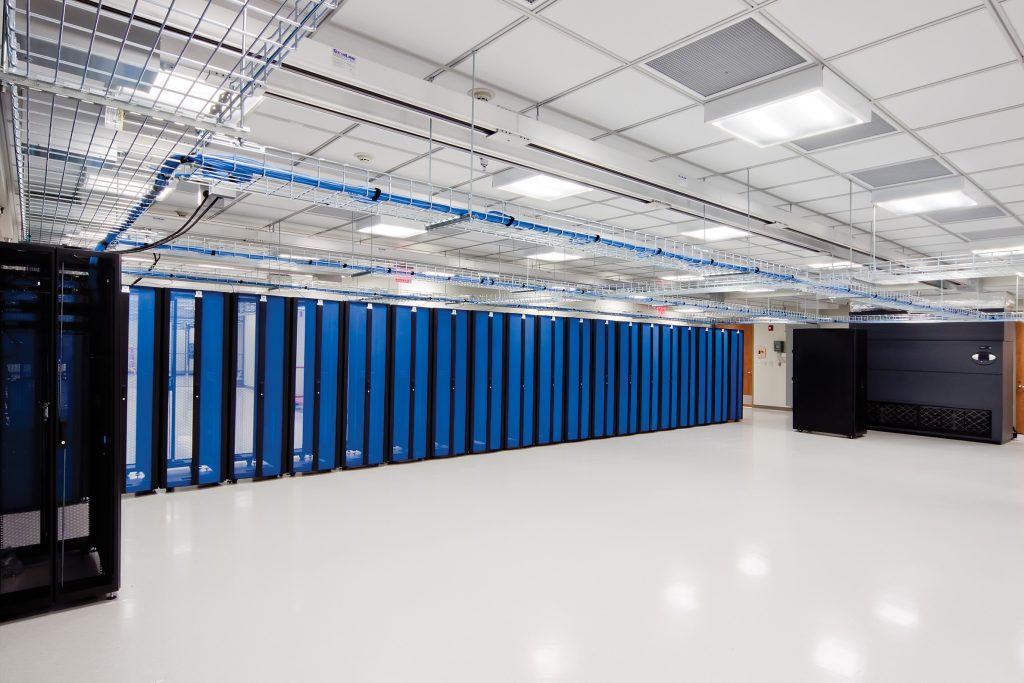
Amid the explosive data center growth, a notable trend of gravitating toward larger wire mesh trays for managing cables has emerged. While this method has some advantages, the approach can create unwanted problems with issues such as cable accessibility and effective use of space.
Other common challenges, trends and issues facing today’s evolving data centers include:
- Maximizing Operational Efficiency and Organization: The extensive array of cables within a data center can quickly devolve into a tangled maze without meticulous cable management. A well-organized cable infrastructure is not only aesthetically pleasing – it is a fundamental component of a data center’s operational excellence and success.
- Minimizing Downtime and System Failures: Disorganized cables within a data center pose significant risks with heavy consequences for the core operations and financial stability of modern businesses. A web of poorly managed cables can cause a delay in root cause identification when issues or systems failures occur, depleting valuable time and resources. This disorganization slows troubleshooting efforts, takes longer to repair, and increases downtime-related expenses including potential penalties. This downtime can cause various other problems including decreased productivity, data loss, non-compliance and widespread operational disruption. Effective cable management helps to reduce or eliminate these risks and enhance operational performance.
- Maintenance and Accessibility: Organized cables make it easier to identify, access and replace faulty connections, reducing downtime and improving maintenance efficiency. Proper cable management also reduces the likelihood of accidental disconnections or damage during maintenance activities, mitigating the risk of operation errors and system failures.
- Ease of Scalability: A robust and well-organized cable infrastructure alleviates the challenges associated with data center scalability by making changes to configurations or expanding capacity seamless with minimal disruptions.
- Mitigating Safety Hazards: Creating a safe and ergonomic work environment is vital for data center staff. Tangled cables undermine safety and can jeopardize efficient operations causing performance inefficiencies. Disorganized cables scattered across trays can present a considerable pulling hazard for personnel.
- Enhancing Energy Efficiency: An effective cable management system also improves the data center’s energy efficiency. Organized cables prevent the obstruction of airflow, which is essential for averting the overheating of equipment and reducing the energy required for cooling.
Proactive Cable Management Solutions for Evolving Demands
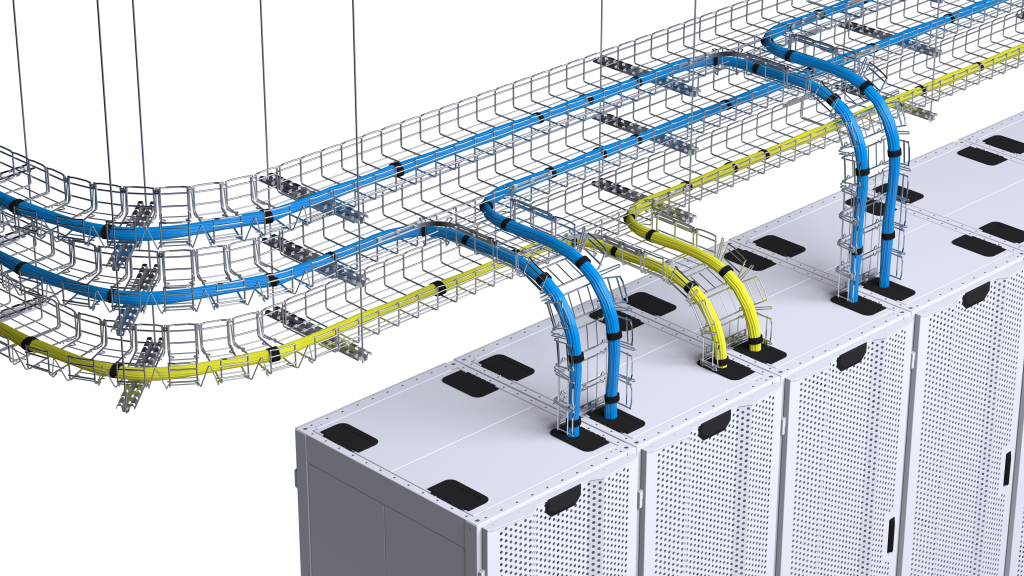
Proactive cable management solutions, such as those offered by Cablofil, are engineered to optimize data centers and foster peak performance. Cablofil’s dedication to innovation drives the development of cable management solutions tailored to “future-proof” and meet the evolving demands of modern data centers, including tackling the common challenges listed above.
The secret to Cablofil’s success is the use of multiple layers of trays, each restricted to a maximum width of 24 inches, to enhance the overall efficiency and effectiveness of data center operations. This method offers a host of benefits including improved access for conducting repairs and upgrades, easier installation of new equipment and cables, and efficient routing and separation of cables. It also facilitates proper airflow while preventing harmful congestion.
Cablofil’s cable management solutions also prioritize safety and adhere closely to rigorous data center industry standards and regulations. These innovative solutions guarantee prompt and unobstructed equipment access during emergencies while minimizing damage and maintaining operational performance.
Powering the Future of Data Centers
As data centers continue to evolve and expand, innovative cable management solutions will continue to play a key role in a facility’s ability to quickly adapt, scale and maintain optimal performance. Partnering with a cable management industry-leader such as Cablofil and armed with the knowledge of the common challenges facing data centers today, owners and operators can make well informed decisions on the cable management solutions they select for their operations.
Go HERE for more information