How to Be a Respectful Residential Contractor
Katie and Dane Gustafson
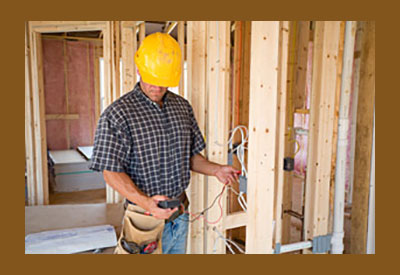
Working on a project at a residential building presents its own unique set of circumstances. Unlike a more corporate setting, projects set in a home environment mean that your employer is inviting you to come into a very private world of family and the household. While it’s not as straightforward as in other environments, maintaining a professional and pleasant relationship in this setting can be done. Ultimately, the things you need to be aware of all boil down to one thing, respect.
In honour of Aretha Franklin, here are seven guidelines to remember when working in someone’s home to help you demonstrate the right amount of R-E-S-P-E-C-T.
1. Realize your employer’s needs before getting started
To create and maintain a successful relationship with your clients, discuss every factor of the project at length and talk about expectations with the homeowner(s). Define clear goals with them by talking through what they want in detail with things like examples of other work that they like, viewing photos of previous projects, or sketching out designs. Budget is also another important area to realize when dealing with homeowners. Find out how much they want to spend realistically and what their ceiling would be. Knowing if they have a flexible budget may help later to determine if they might want to upgrade a certain aspect of the job or if they are strict about staying on budget. Knowing their expectations can help you navigate the project with the clients more easily.
2. Environmental awareness
Environmental awareness is another key factor to think about at all times while working at a residential property. Unlike working in an industrial environment, you have to keep in mind that people are currently living there and/or will be living there. Be particularly aware of any potentially harmful chemicals that you use and whether there are children or animals around that might be affected by them. Be certain that chemicals, paints, or any other items that pets or children could get into are secured at the end of the day to ensure the safety of all involved.
Everyone knows that these types of projects can be a mess. Be careful about tracking it throughout the house; the last thing you want to be is a bad guest. Keep in mind that you are being paid to work at the residence so essentially the homeowner is your boss. Be respectful to them by keeping the mess to a contained minimum and disposing of it in an orderly fashion.
Noise pollution is another factor to keep in mind. Be sure to let homeowners know ahead of time if you need to do something loud… Giving them a heads-up before you knock down a wall is just common courtesy.
Other environmental considerations include being aware of where you should park your work vehicle, placement of trash bins (if needed), and how and where job materials and/or tools should be stored while not in use.
3. Synchronize schedules
Find out ahead of time when your employer is going to want you working in their home and when they’d prefer you to not be there. Some people would rather supervise work being done while others would like for their time at home to be free of intrusion. Knowing these considerations ahead of time will help you maintain a respectful relationship with your clients that may last beyond the initial project.
Letting your clients know which days of the week you’ll be there and for how long is another important step in being respectful of the residence you are working at. Showing up unannounced can take clients off guard and make them feel like they don’t have control. It may also be a good idea to coordinate and set times when you and your employer may meet to assess progress and goals.
4. Privacy
Be aware that you are working in a person’s home where some of their most valued items are kept and looked after. They have memories stored all around the house and in many cases the house itself is a source of fond memories for the homeowners. Don’t violate the homeowner’s sense of privacy by poking around the house or treating anything disrespectfully. Whether you’re thinking that way or not, you are an invader upon the premises and need to treat it respectfully.
Also try to assess how much or little interaction you feel that your employer is comfortable with. Some people may want to get to know you as you work in their home and others would prefer minimal unnecessary interaction. Do your best to be aware and respectful of these boundaries.
5. Try to stay as close to the budget as possible
Most projects start with an initial quote. Any major deviation without prior discussion may lead to the client feeling taken advantage of or lied to. There’s a difference between spending more money on upgrading something that the client agrees to and going over budget while meeting the original plan that was quoted. Of course it’s almost impossible to stay on budget with every single job that you do, so quoting a little bit more than you may think it will take will give you some wiggle room. If you can ultimately finish the project under the quote that you originally gave the homeowner, you both win!
6. Communication is key
Keeping your clients updated with the project’s progress is another key area that you can use to create a great relationship. If you run into any complications or change of plans, letting them know is important. They’ll also appreciate it when you update them on progress and let them know how close you are to completion or what the plan is for the next few days or weeks. Keeping them in communication will also keep them informed of any sort of decision-making that has to be done on their part if you run into any issues. Find out how often your employer would like to discuss progress in person and if they would like to receive updates to costs or planning through any other means like emails or text messages.
7. Timeliness
One of the biggest complaints homeowners often have when hiring someone to work in their home is contractors outstaying their welcome. During the initial job discussion you and your employer should develop a timeline for the task at hand, and once this is set you should try to stick as closely to it as possible. Of course, for some projects you may run into complications that you cannot predict, but in general timeliness should always be an important goal. After finding out your client’s expectations regarding their privacy and schedule, you can come up with a timeline for the job that will meet those needs. Once established, make your deadline for completion priority.
And just like how Aretha Franklin earned a spot in the Rock and Roll Hall of Fame on the strength of “R-E-S-P-E-C-T,” using these helpful tips to RESPECT your customers can lead to your own spot in the customer relationship Hall of Fame!
This article was first published as a blog by Dane & Katie Gustafson, Wholesale Contractor Supply, Ellisville, MS; http://blog.wholesalecontractorsupply.com.