Is Electric Baseboard Heating Still Relevant?
Heating


Sept 4, 2018

By Owen Hurst

A point of discussion that I have heard many times from end users is their concern over electric baseboard heating, and electric heating in general. Now let’s be clear, much of the concern comes from those who have experience with older baseboard heating, in older homes, that was the primary or only source of heat.

Older baseboards can be highly inefficient and cost an arm and a leg. However, the time of your grandparent’s baseboard heaters is long gone.

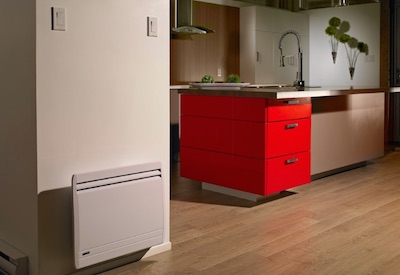
Today baseboard heaters are much more efficient than their older counterparts, and when used as a secondary heating source, or even as the primary, the results are drastically different from 20 years ago. Couple new baseboards with properly insulated homes and an advanced control system, and their use offers a lot of appeal.

Factors to consider

One of the most important is the cost of electricity, which largely depends on the type of power generation in your area. If we look at the U.S., nearly 35% of homes operate on some form of electric heat, which can be expensive if you live in one of the many states that use coal and oil to produce electricity. And with the current administration’s drive to reinvigorate the coal industry, it is unlikely this trend will shift.

Overall, Canadian hydro costs are lower and will continue to be as we embrace renewable energy rather than relying on non-renewables. For example, Hydro-Québec examined 22 major North American cities’ residential hydro bills: 11 in the US and 11 in Canada. The top six cities with the lowest hydro bills were Canadian. Further, many energy analysts advocate that renewables (i.e., wind, solar) are now just as cost effective when producing a kilowatt of clean energy as fossil fuels. And with electricity being the best option for clean energy, embracing electric heating is an investment in the future.

Typicallybaseboards used to need 10 watts to heat each square foot of a room. With proper insulation and airtight homes, that number is now roughly 7 watts per square foot. Also, ensuring correct placement and distribution of baseboards can ensure even heat throughout the home, and using a central control system rather than individual thermostats on each heater can cut costs and increase overall performance.

Beyond that, new baseboards have model variants that effectively heat better than traditional resistance baseboards. For example, convector baseboards direct air up rather than out so there is less chance of obstruction blocking heat. These baseboards can even be placed behind furniture if the user’s preference is to have the heater out of site.

Finally, it needs to be noted that some disagreement remains among experts with regard to the efficiency and future of baseboards, as many prefer to advocate for natural gas heating, which is currently the primary form of heating in North American homes. However, gas, oil and coal are not renewable. While fracking has allowed us to access natural gas on a level previously thought to be beyond our grasp, this too has an impact on the environment and will eventually run out. The best option we have for a sustainable future is renewable energy.

So, there is more to consider when thinking about using electric baseboard heating than simply the cost. Therefore, baseboard heating is not only still relevant, but advances in technology have made them quite efficient and one of the few potentials capable of carrying us into a future that will be more focused on clean energy.

Owen Hurst is Managing Editor of EIN’s sister publication, Panel Builder & Systems Integrator: http://panelbuildersystemsintegrator.ca

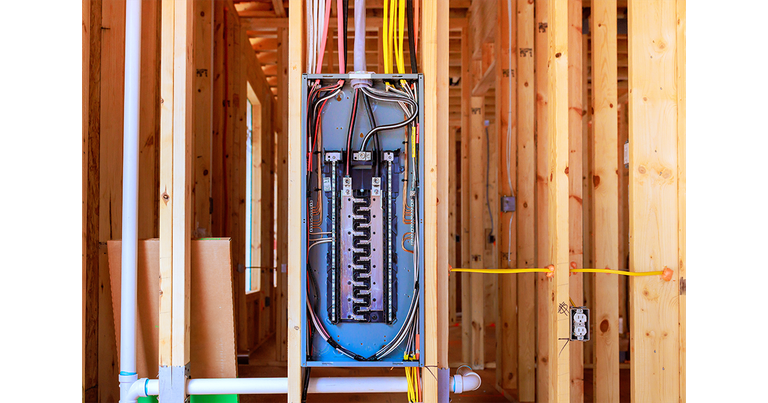
Photo: Convectair

Sources

http://www.hydroquebec.com/residential/customer-space/account-and-billing/understanding-bill/comparison-electricity-prices.html


Related Articles


Latest Articles

  • Guide to the Canadian Electrical Code, Part 1[i], 26th Edition– A Road Map: Section 56

    Guide to the Canadian Electrical Code, Part 1[i], 26th Edition– A Road Map: Section 56

    February 6, 2026 The Code is a comprehensive document. Sometimes it can seem quite daunting to quickly find the information you need. This series of articles provides a guide to help users find their way through this critical document. This is not intended to replace the notes in Appendix B or the explanations of individual Read More…

  • 3D Printing: Inside Lighting’s Next Revolution

    February 5, 2026 While 3D printing in mass production was once a dream, advancements in the technology have moved it more into the mainstream. The technique, which is also referred to as additive manufacturing, has rapidly evolved from a niche prototyping tool into a transformative production method for many sectors, including the lighting industry. As Read More…

  • Microgrids & Power Quality: Designing Resilient, Clean Facility Power

    Microgrids & Power Quality: Designing Resilient, Clean Facility Power

    February 5, 2026 In an era of extreme weather, aging infrastructure, and ever‑rising energy demands, many facility managers are rethinking their relationship with the grid. Microgrids offer a way to take control and operate autonomously when necessary. A microgrid is more than just backup, when designed properly, it becomes a platform for resiliency, efficiency, and Read More…

  • ITC 101: Understanding NEMA Ratings for Electrical Enclosures

    ITC 101: Understanding NEMA Ratings for Electrical Enclosures

    February 5, 2026 Understanding NEMA Ratings for Electrical Enclosures NEMA Ratings are an essential classification system used across North America to define the environmental and mechanical protection provided by electrical enclosures. Developed by the National Electrical Manufacturers Association (NEMA), these ratings help engineers, installers, and specifiers identify the appropriate enclosure type for industrial, commercial, and outdoor Read More…


Changing Scene

  • Lighting What’s Next: Stanpro Celebrates 65 Years

    Lighting What’s Next: Stanpro Celebrates 65 Years

    February 6, 2026 “We didn’t get here by standing still. For 65 years, we’ve shaped how we think, how we design, and what responsibility means,” the company said in a LinkedIn post. “Today, that thinking takes a new form. Not to change who we are, but to express our evolution more clearly. This is Stanpro, Read More…

  • Housing Priorities on Track in New Brunswick, but More Work to do: Hickey

    Housing Priorities on Track in New Brunswick, but More Work to do: Hickey

    February 6, 2026 Efforts to support the creation of new affordable housing and reduce chronic homelessness are on track, but there is still lots of work to do, according to David Hickey, the minister responsible for the New Brunswick Housing Corporation. New data indicates progress has been made on three key government priorities related to Read More…

  • BJ Electric is now Bernie’s Electric Supplies Ltd

    BJ Electric is now Bernie’s Electric Supplies Ltd

    February 6, 2026 BJ Electric has announced the company has rebranded as Bernie’s Electric Supplies Ltd, a nod to their founder. “BJ Electric Supplies is now Bernie’s Electric Supplies—in honor of our founder, Bernard Joseph Thompson, and the values that have guided the company for nearly 50 years. As we grow and evolve, this name Read More…

  • The Government of Canada Introduces the Build Canada Homes Act

    The Government of Canada Introduces the Build Canada Homes Act

    February 6, 2026 The Government of Canada has introduced the Build Canada Homes Act, legislation that will establish Build Canada Homes as a Crown corporation whose mandate will be dedicated to building affordable housing in communities across the country. As Canada’s affordable housing builder, this legislation will equip Build Canada Homes with the necessary tools to Read More…