Riding the Hydrogen Wave: Navigating Compliance and New Rules for Hydrogen Fueling Tech in Canada and the US!
August 29, 2023
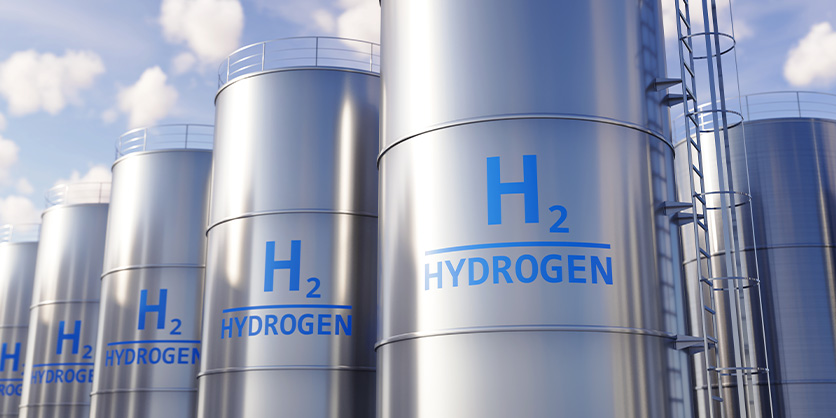
As the world seeks cleaner energy sources, hydrogen is making waves as a promising alternative. It can reduce emissions and power various applications, like transportation and electricity. But with hydrogen fueling technologies constantly evolving, it’s essential to stay compliant and keep up with the upcoming rules and regulations in Canada and the US market.
Getting Compliant with Hydrogen Fueling Tech
When it comes to developing and deploying hydrogen fueling tech, following strict compliance standards is a must. These standards cover safety, performance, and environmental impact. It’s all about making sure that hydrogen fuel cells, storage systems, dispensing equipment, and related infrastructure meet the necessary quality and safety requirements.
To meet these standards, companies need to undergo rigorous testing, certification, and quality assurance processes. Hence, the importance of choosing a reliable third-party for your product approvals, someone who is involved in the standards development process and who will be able to guide you through the new and upcoming requirements for hydrogen purity, storage, fuel cell performance, and system design, whenever those will be defined and available.
Upcoming Rules and Regulations
Both Canada and the US are actively working on establishing comprehensive frameworks for hydrogen fuel technologies. These frameworks aim to address safety concerns, promote infrastructure development, and encourage the wider adoption of hydrogen as an energy source.
In Canada, Natural Resources Canada (NRCan) and the Canadian Hydrogen and Fuel Cell Association (CHFCA) are teaming up to develop national codes and standards for hydrogen infrastructure. They’re looking at everything from hydrogen production to storage, transportation, and refueling stations. So, keep an eye out for these developments and get involved to help shape the future of regulations in the industry!
Meanwhile, in the US, the Department of Energy (DOE) and organizations like the National Renewable Energy Laboratory (NREL) are pushing for hydrogen advancements and regulatory frameworks. They’re backed by standards from the National Fire Protection Association (NFPA) and the Federal Code of Regulations (CFR). These rules ensure safety and compliance.
To ride the hydrogen wave successfully, companies need to stay ahead of upcoming regulatory requirements. That means keeping tabs on the latest updates, engaging in industry discussions, and aligning their products and operations accordingly. By actively participating and staying proactive, you can navigate the compliance landscape and be a part of the hydrogen revolution!
Conclusion
The future of hydrogen fueling tech is bright and full of possibilities. But to succeed in the Canadian and US markets, it’s crucial to prioritize compliance and stay updated with upcoming regulations. By following the standards, actively participating in the regulatory process, and investing in thorough testing and certification, we can create a safer and more reliable hydrogen future together!
Related Article
Toyota Canada and Edmonton International Airport (YEG) Partner to Bring 100 Zero-Emission Hydrogen Fuel Cell Electric Vehicles to Alberta Roadways
Edmonton International Airport (YEG) is proud to announce 100 Toyota Mirai hydrogen fuel cell electric vehicles (FCEVs) will soon be on Alberta’s roadways thanks to an innovative partnership with Toyota Canada. This initiative will reduce carbon emissions and contribute to YEG’s goal of being net-zero by 2040. As a key development in Alberta’s clean fuels journey, this will be the first fleet of hydrogen-powered zero-emission vehicles in Alberta.





![Guide to the Canadian Electrical Code, Part 1[i], 26th Edition– A Road Map: Section 76 — Temporary Wiring](https://electricalindustry.ca/wp-content/uploads/2026/05/EIN-Stock-Guide-Code-Canada-Map-1200.png)