UL Warns of Potential Hazards from Improper Installation of Lighting Retrofit Kits
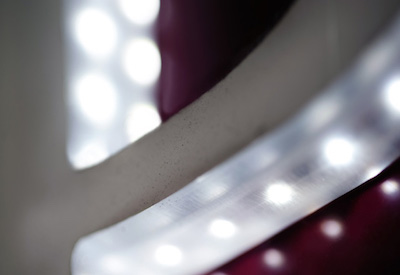
UL has issued a warning to authorities having jurisdiction, building owners, installers and consumers about a growing number of reports of improperly installed and uncertified retrofit lighting kits that may pose a fire or shock hazard.
In many jurisdictions, utility companies are offering financial incentives to consumers and businesses that upgrade or retrofit their facilities to use more energy-efficient lighting. While the move to more modern and efficient lighting fixtures is a positive step, care must be taken to use certified retrofit kits and install them properly. A qualified electrician must complete the retrofit according to accompanying installation instructions, as improper installation may pose a fire or shock hazard.
“Many of these retrofit installations are completed in ways that create safety hazards where none existed before, creating unintended consequences in the name of energy efficiency,” says Marguerite Carroll, Manager of UL’s Regulatory Services Department.
The components used in the retrofit may have individual certifications, but if the kit (including the accompanying installation instructions) is not certified per the applicable standards for safety, problems can occur. “The common thinking is that LED retrofits are low-voltage. This is not true. All retrofit kits will include branch circuit connections, and should be treated with proper safety precautions,” says Bahram Barzideh, Principal Engineer with UL’s Lighting Division. “A retrofit kit is more than just parts. When a luminaire is modified using off-the-shelf parts, there is no way to know if the luminaire is compliant or even safe.”
UL urges those installing a lighting retrofit to use only third-party certified retrofit kits and follow the accompanying installation instructions. UL certified lighting retrofit kits can be verified in UL’s Certification database found on ul.com at http://iq.ul.com/ssl/ and selecting LED Retrofit Kits from the product category pull-down.
Find out more: http://industries.ul.com/lighting/retrofit-kits.
Photo source: UL