Canada’s Building Trades Unions Launch Indigenous Reconciliation Action Plan to Advance Opportunity, Partnership, and Accountability Across the Skilled Trades
June 1, 2026
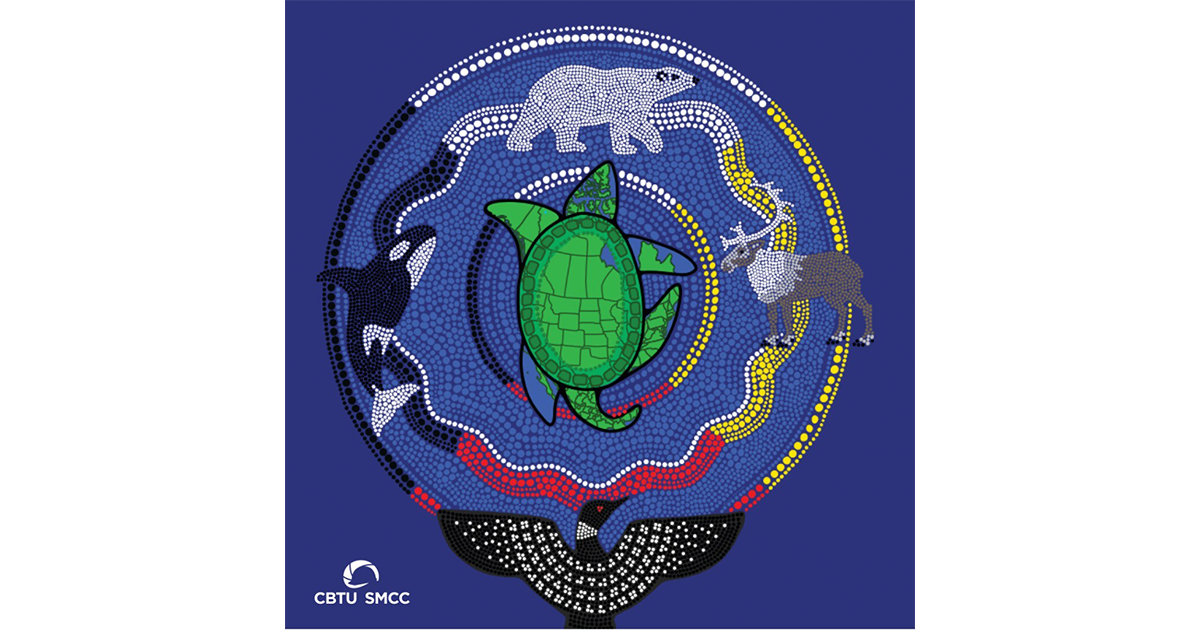
Canada’s Building Trades Unions (CBTU) announced the release of its Indigenous Reconciliation Action Plan (IRAP), a national, structured framework designed to advance Indigenous participation, leadership, and economic opportunity across the unionized construction sector.
Led by CBTU’s Director of Workforce Development, Lindsay Amundsen, and in partnership with Mokwateh, an Indigenous-owned consultancy, the IRAP establishes a coordinated, sector-wide approach to reconciliation, providing practical tools, clear commitments, and measurable pathways for CBTU affiliates and provincial councils to strengthen relationships with Indigenous communities and expand access to careers in the skilled trades.
The IRAP builds on CBTU’s 2017 adoption of the Truth and Reconciliation Commission of Canada’s Call to Action #92, reaffirming commitments to meaningful consultation, equitable access to jobs and training, and education on Indigenous history, rights, and cultures.
“We stand at a defining moment for Canada’s skilled trades,” said Sean Strickland, Executive Director of CBTU. “With unprecedented investment in infrastructure, we have a responsibility to ensure Indigenous engagement and partnership are embedded across every jobsite and community. Canada’s Building Trades Unions’ Indigenous Reconciliation Action Plan is that unified national voice.”
The IRAP is anchored in 4 strategic pillars:
- Workforce Participation: Expanding Indigenous entry into the trades through training pathways, partnerships, and targeted outreach.
- Learning & Engagement: Enhancing cultural awareness, training, and knowledge-sharing across the CBTU network.
- Economic Reconciliation: Increasing Indigenous participation in procurement and major project supply chains.
- Representation: Strengthening Indigenous leadership and governance within CBTU to ensure accountability and sustained progress.
Together, these pillars outline 41 actionable commitments for CBTU to complete by 2029, from developing culturally relevant pre-employment programs and Indigenous procurement policies to establishing an Indigenous Advisory Committee and embedding reconciliation into CBTU governance structures.
“This plan is a formal commitment born from listening, learning, and working alongside Indigenous communities and our members across the country,” said Robert Kucheran, Chairman of the CBTU Canadian Executive Board. “The IRAP brings together best practices and sets out a clear, accountable framework for meaningful progress, one that we invite our partners to engage with, challenge, and help us advance.”
The IRAP is designed to be flexible and scalable, enabling affiliates and provincial councils to adopt and implement its guidance regardless of their starting point. It includes practical tools, templates, and engagement frameworks that make Indigenous partnership achievable across diverse regional contexts.
In addition to advancing reconciliation, the IRAP represents a strategic investment in the future of Canada’s construction industry; supporting long-term labour supply, leadership development, and stronger relationships between industry and Indigenous Nations.
The IRAP additionally embeds accountability at the highest levels of the organization, including annual progress reporting, the creation of an Indigenous Advisory Committee reporting to the Board, and the designation of an Indigenous Relations lead to coordinate implementation.



![Guide to the Canadian Electrical Code, Part 1[i], 26th Edition– A Road Map: Section 76 — Temporary Wiring](https://electricalindustry.ca/wp-content/uploads/2026/05/EIN-Stock-Guide-Code-Canada-Map-1200.png)