PEI Updates Net Zero and efficiencyPEI rebates

June 9, 2025
Rebate programs in PEI are being updated to prioritize actions that most effectively reduce greenhouse gas emissions and electricity use.
Starting June 2, rebates to assist with the cost of home insulation, windows and doors are increasing 40 per cent. New home construction incentives will be increased and re-aligned to match national building code tiers, so people will get more money back. There will also be an increase in rebates for commercial operations.
“We are prioritizing net zero programs that give us the most bang for the buck, like home insulation rebates, which reduce emissions and saves on energy costs, but this requires reductions in other rebates such as heat pumps and solar rebates. We are also adding a new focus to business, industry and agricultural emissions by maintaining or increasing energy efficiency incentives in these areas.”
– Environment, Energy and Climate Action Minister Gilles Arsenault.
Heat pump rebates for residential properties will be changed from $1,200 to $900 per mini split heat pump, and from $2,400 to $1,800 for lower income families. Rebates will stay the same for all other energy efficiency equipment. Residential rental property owners can apply to receive the same rebates as homeowners, which will streamline the application process, but this will change the rebate amounts available to residential rental property owners.
There will be a change in incentive rate and a cap of $5,000 for solar panels installed on residential properties. Anyone with a pre-approval letter will receive the previous rebate amount, and those who applied on or after January 8, 2025, and are eligible, will receive the new rebate amount. Solar rebates for commercial operations will not change. Rebates for agriculture operations will also stay the same and provide up to a maximum of $35,000.
Government will continue to subsidize home energy assessments (also known as energy audits). Air sealing incentives for income qualified families will also stay the same through the Winter Warming Program. Seasonal and year-round instant rebates for energy efficient products and appliances will continue under the Instant Savings Program.
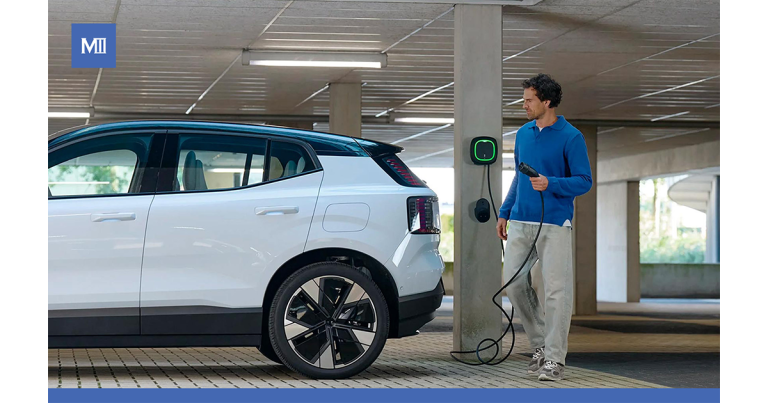
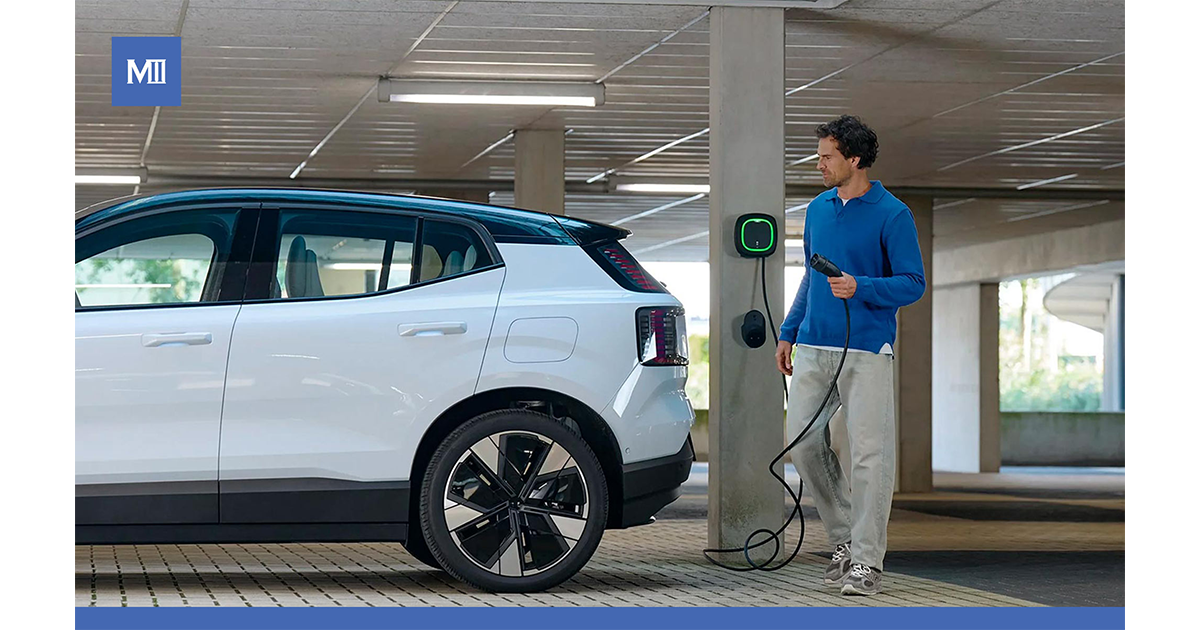
Electric vehicle incentives will be changed to $4,000 for battery electric vehicles and $2,000 for plug-in hybrids. Applications will re-open for funding for business and community organizations to install electric vehicle charging stations targeted for business and public use. Bicycle and e-bike rebates remain the same. Government will also continue to offer up to $3.5 million to communities and non-profits for active transportation projects in the upcoming year.
The Net Zero Free Programs have been offering free heat pumps, insulation and hot water heaters to eligible families, with the assistance of the federal Oil-to-Heat Pump Affordability Program. Due to high uptake and the budget being fully allocated, government will pause new client intake for the Net Zero Free Programs on June 2, 2025. Clients who have already applied should be aware of delays for installation due to high uptake. While government pauses accepting new applications, the Free Insulation Program will be reviewed to become more inclusive and serve clients more quickly.
“We are truly appreciative of all Islanders who have taken us up on our net zero incentives to date, and I encourage everyone to check out what is currently being offered so we can all do our part to reduce greenhouse gas emissions,” said Minister Arsenault. “Starting this year, our government will also be developing new incentives to reduce electricity use and demand on the grid, in partnership with our electrical utilities. I look forward to announcing further details as we develop the next iteration of our energy efficiency incentives.”
Changes will come into effect on June 2, 2025, except for the solar rebate program which has a retroactive change to residential rebates for applications received on or after January 8, 2025.
Information on current net zero and energy efficiency programs is available at PEINetZero.ca
Summary of program changes
Home Insulation Rebates – Approximately 40 per cent increase in rebates for insulation for attics, walls, basements, headers, exposed floors, windows and doors, and air sealing.
Energy Efficient Equipment Rebates – mini-split air source heat pump rebate going from $1,200 to $900, and income qualified rebate going from $2,400 to $1,800 for homeowners with a household income of $35,000 or less.
New Home Construction Incentives – New rebate tiers based on National Building Code (NBC) as follows:
- 2020 NBC Tier 3 – $2,000
- 2020 NBC Tier 4 – $4,000
- 2020 NBC Tier 5 – $7,000
- EnerGuide Rating System Rating of 0 GJ/year (Net Zero) – $15,000
- Additionally, on top of the above performance-based rebates, an additional rebate of $1000 would be available for Certification to Passive House, Canadian Home Builders’ Association (CHBA) Net Zero or CHBA Net Zero Ready new home builds.
Solar Electric Rebates – For residential clients there will be a cap of $5,000 per rebate, down from $10,000 and the incentive rate will be $500/kW down from $1000/kW. Incentives and caps for commercial and agricultural clients will remain the same.
Commercial Buildings – Rebates on energy efficient equipment for business, community, commercial and industrial buildings increasing, including air source heat pump rebate increasing from $600 to $900. Rebates are also increasing for selected lighting and for packaged terminal heat pumps. For more complex upgrades, incentives are based on energy savings as identified in free energy audits, with a new cap of ranging from $25,000 up to $75,000 depending on existing energy usage, up from a flat $25,000 cap.
Residential Rental Efficiency Rebates – Residential rental property owners will now apply through the regular Home Insulation Rebate and Energy Efficiency Equipment Rebate programs. The rebate of $2,500 for electric hot water heaters will no longer be available.
Electric Vehicle Incentive – Rebates for electric vehicles are decreasing from $5,750 to $4,000 for battery electric vehicles and from $3,250 to $2,000 for plug-in hybrid electric vehicles.
Net Zero Free Programs and the Oil-to-Heat Affordability Program – Intake is paused for free heat pumps, free insulation, and free electric hot water heaters due to high demand.
PEI Electric Vehicle Charging Funding Program – Reopened funding for business and community organizations across the province to install electric vehicle (EV) charging stations targeted for business and public use.
The following programs are unchanged:
- Energy Audits – subsidized by government for a resulting cost of $99 for the client
- Winter Warming Program – air sealing for income qualified homeowners or renters
- Instant Rebates – in-store rebates for energy efficient products and appliances
- Bicycle Rebate of $100 off eligible bikes at local retailers
- eBike Incentive of $500 off eligible eBikes
- Rural transit
- Investments to install electric vehicle chargers across the province