Think You May Be Exposed to Asbestos? Here’s What You Need to Know
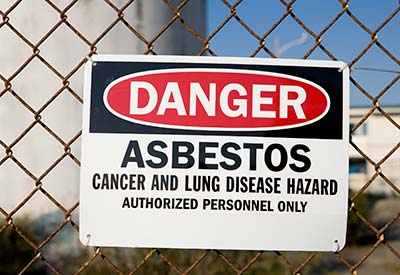
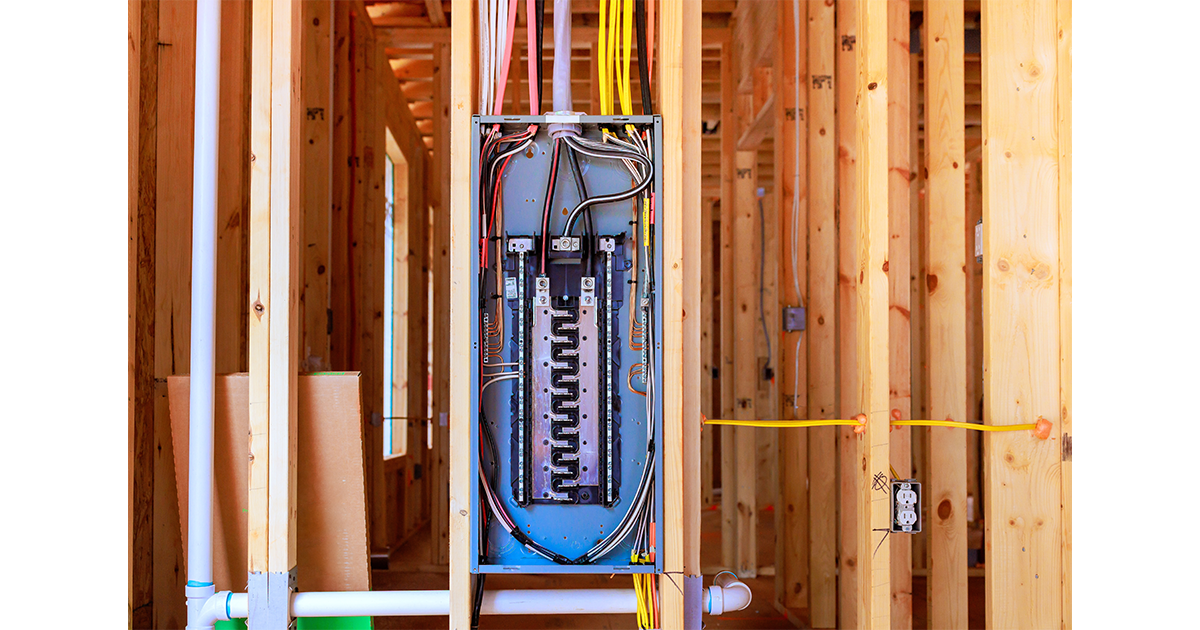
From 1992 to 2008, electrician Denis Lapointe worked at the Canada Revenue Agency’s Ottawa taxation facility drilling and pulling wires through walls, floors and ceilings. In the process, he may have been exposing himself and others to asbestos. According to CBC news reports, Lapointe learned that asbestos was present only while reading a 1995 building condition report —despite laws requiring employers to inform workers of hazards they may be exposed to. To find out more, he had to file access to information requests.
“It’s everywhere,” he told CBC. “It lines all kinds of piping, it lines ventilation piping, it’s in plaster, it’s in grout that finishes the walls, it’s in the cement where you’re chipping, and the tiles.”
To be clear, asbestos in building materials is a hazard only when disturbed, but that’s exactly what Lapointe was doing on behalf of his employer. Although Lapointe has not been diagnosed with an asbestos-related disease —it can take years to show itself —the non-smoker suffers from poor health and breathing problems.
Your rights
Under occupational health and safety legislation, workers have three rights:
• the right to know about any hazards to which they may be exposed
• the right to participate to be part of the process of identifying and resolving health and safety concerns, typically through a joint health and safety committee or a worker health and safety representative
• the right to refuse work that they believe is dangerous
You also have duties
Workers have a general duty to take responsibility for their personal health and safety, which means
• reporting any known workplace hazard or violation to the employer or supervisor
• telling the employer or supervisor about any known missing or defective equipment or protective device that may be dangerous
• working in compliance with health and safety legislation
• using any equipment, protective devices or clothing required by the employer
• not removing or make ineffective any protective device required by the employer or by regulations
• not behaving or operating equipment in a way that would endanger themselves or others
What to do about potential exposure
If you believe you’re not properly protected against exposure to asbestos, stop work immediately and discuss your concern with your supervisor or client. Don’t resume work until you’re sure that the hazard is under control.
If asbestos is suspected, your employer must have a qualified professional complete a hazardous material survey. If the survey determines that people may be exposed to airborne asbestos fibres above a limit set in the legislation, then an exposure control plan must be implemented.The plan must include steps to eliminate risks or to control and reduce risks by
• substituting less hazardous materials or
• by using engineering controls, administrative controls, or
• personal protective equipment.
The plan must include detailed safe work procedures developed and approved by a qualified professional.
If you’re a supervisor or employer, evacuate the area immediately. Isolate the hazard area and keep unnecessary and unprotected personnel away. When containing and cleaning up the suspected hazard, avoid generating dust. Use a shovel/scoop or approved HEPA vacuum and place in a suitable container for disposal. Avoid dry sweeping. If necessary, use a dust suppressant such as water. Do NOT use compressed air for cleanup.
Inform yourself
Find out more about health and safety laws regarding asbestos. Every provincial, territorial and federal health and safety authority will have information on asbestos available online.
Additional reading from EIN
• Electrician’s Asbestos Exposure Leads to Lung Cancer
• Supervisor’s Dismissal Upheld for Exposing Workers to Asbestos http://electricalindustry.ca/latest-news/804-supervisor-s-dismissal-upheld-for-exposing-workers-to-asbestos?utm_source=newsletter&utm_medium=email&utm_content=1000&utm_campaign=2014-10-07

![Guide to the Canadian Electrical Code, Part 1[i], 26th Edition– A Road Map: Section 74 — Airport installations](https://electricalindustry.ca/wp-content/uploads/2026/05/EIN-Stock-Guide-Code-Canada-Map-1200-768x403.png)



![Guide to the Canadian Electrical Code, Part 1[i], 26th Edition– A Road Map: Section 74 — Airport installations](https://electricalindustry.ca/wp-content/uploads/2026/05/EIN-Stock-Guide-Code-Canada-Map-1200.png)