Federal Government Accelerates Investments in Clean Electricity

November 25, 2016 

Phasing out traditional coal-fired electricity by 2030 — an important part of the federal government’s vision of a clean-growth economy — will attract new investments in clean power across the country, grow our economy, create middle-class jobs, and improve air quality for the health of Canadians, the government says.

This and other regulatory actions announced last week will put Canada on a path to move from 80% towards 90% non-emitting sources by 2030. Clean electricity will power cars, businesses, and homes across the country. Building a smart, integrated, clean-electricity system, the government says, will deliver reliable and affordable power where it’s needed.

Clean, non-emitting energy is one of the fastest growing energy sectors. In the past decade, wind capacity has increased 20 times and solar capacity 125 times, according to the National Energy Board. 

Canada already ranks fourth in the world in renewable power generation. Hydro is the dominant source of electricity in Canada, accounting for nearly 60% of installed capacity and generation.

This fall, the federal government announced an additional $21.9 billion investment over 11 years for green infrastructure. The government of Canada will use the Canada Infrastructure Bank to finance projects such as commercially viable clean energy and modern electricity systems between provinces and territories. 

“Connecting provinces with a clean and modern electricity system is a nation-building effort that positions us to compete for significant global investments in our power sector and puts more Canadians to work,” says Dominic Barton, Chair of the Advisory Council on Economic Growth.

How we’re generating power now

Five provinces and territories generated the vast majority of their electricity from hydro in 2015, reports the National Energy Board in a new report, Canada’s Renewable Power Landscape — Energy Market Analysis. The share of electricity production from hydro reached 86% in British Columbia (BC), 97% in Manitoba, 95% in Quebec, 95% in Newfoundland and Labrador, and 94% in Yukon.

Four provinces and territories rely on various combinations of nuclear, coal, gas, oil, and renewables. In 2015, the share of renewables in total generation reached

  • 34% in Ontario
  • 28% in New Brunswick
  • 24% in Nova Scotia
  • 38% in Northwest Territories (NWT)

Three provinces and territories relied primarily on fossil fuels for electricity in 2015:

  • Alberta (90% of generation from coal and natural gas)
  • Saskatchewan (83% of generation from coal and natural gas)
  • Nunavut (100% of generation from oil)

Nearly all of the power generated in PEI is from wind, but PEI also relies on power imported from nearby provinces to meet its total demand.

A decade ago, wind, solar, biomass, and other non-hydro renewables comprised just 2% of total Canadian capacity. Growth over the last decade has been very impressive, especially with wind capacity growing 1,900% and solar growing an astounding 12,500%. However, the total share of these technologies in 2015 was just 11% of capacity, and because solar and wind are intermittent non-hydro renewables accounted for just 7% of generation.

Ontario and Nova Scotia have seen the largest gains in renewable power production over the last decade. Renewable power generation in Ontario increased from 23% to 34%. In Nova Scotia, the renewable generation share increased from 12% to 24%.

Find out more. Read Canada’s Renewable Power Landscape – Energy Market Analysis online: www.neb-one.gc.ca/nrg/sttstc/lctrct/rprt/2016cndrnwblpwr/index-eng.html.


Related Articles


Latest Articles

  • Considerations for EV Charging Installation and Site Preparation

    Considerations for EV Charging Installation and Site Preparation

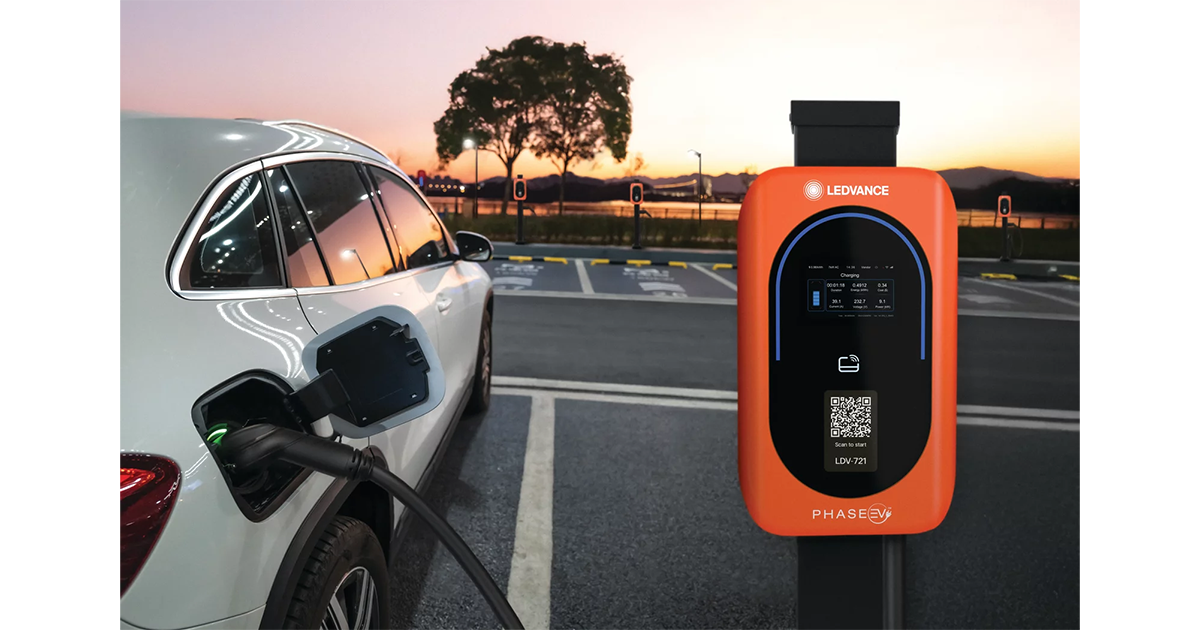
    December 15, 2025 By Blake Marchand As part of our recent discussion with LEDVANCE EVSE Product Manager, Erich Bockley, he emphasized the importance of site preparation Site preparation can be the most complicated part of the project, Bockley emphasized, a lot needs to be considered before the installation work begins. Many public charging applications will… Read More…

  • Ontario’s Multi-Family Component Leads Residential Sector Increases in October Building Permits

    Ontario’s Multi-Family Component Leads Residential Sector Increases in October Building Permits

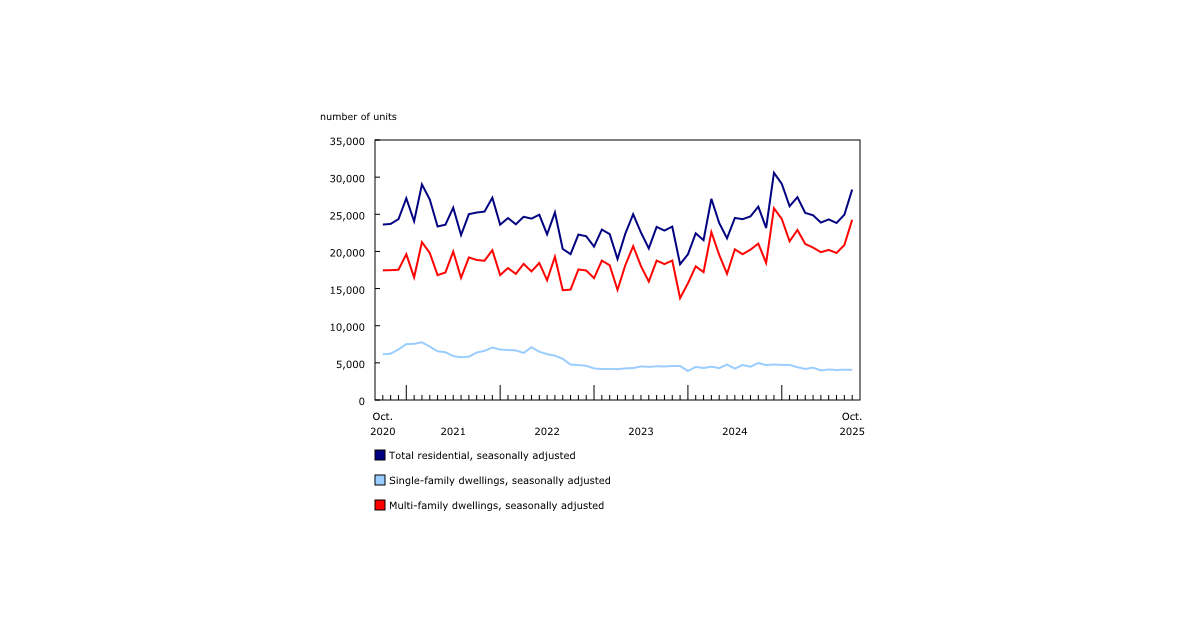
    December 15, 2025 In October, the total value of building permits issued in Canada rose $1.8 billion (+14.9%) to $13.8 billion. The increase in construction intentions was led by the residential sector (+$1.1 billion). An increase was also observed in the non-residential sector (+$702.8 million). On a constant dollar basis (2023=100), the total value of building permits issued in… Read More…

  • Residential Investment in Building Construction Declines in September

    Residential Investment in Building Construction Declines in September

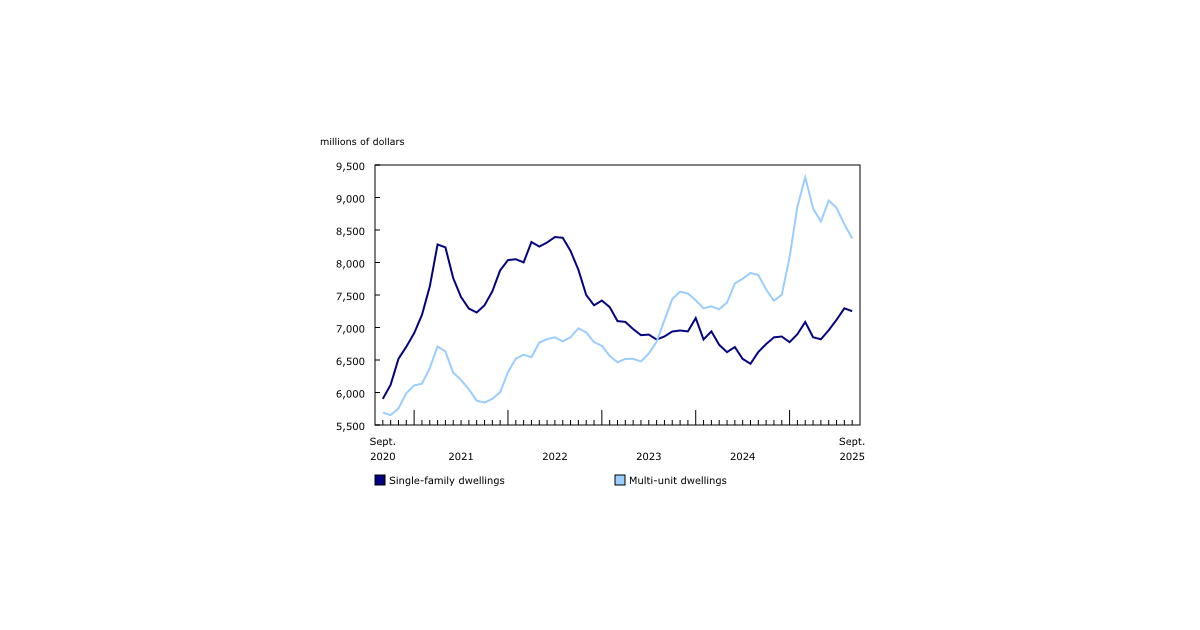
    December 15, 2025 Overall, investment in building construction decreased 1.1% to $22.4 billion in September. Investment in the residential sector declined 1.7%, while that in the non-residential sector was virtually unchanged. Year over year, investment in building construction grew 6.0% in September. On a constant dollar basis (2023=100), the total value of investment in building construction in September decreased 1.4%… Read More…

  • Nova Scotia Invests in Generational Affordable Housing for Shannon Park

    Nova Scotia Invests in Generational Affordable Housing for Shannon Park

    December 15, 2025 Work to build more than 1,400 new homes across Nova Scotia – about two-thirds at Shannon Park in Dartmouth – will soon begin with funding from the Province and the federal government. Housing Minister John White and federal Minister of Housing and Infrastructure Gregor Robertson announced $300 million to build 1,430 new… Read More…


Changing Scene

  • CSA Group Receives Greater Toronto’s Top Employers Award for 10th Consecutive Year

    CSA Group Receives Greater Toronto’s Top Employers Award for 10th Consecutive Year

    December 15, 2025 For the tenth consecutive year, CSA Group has been awarded as one of Greater Toronto’s Top Employers for 2026 by Mediacorp Canada Inc. This milestone reflects CSA Group’s continued commitment to fostering a workplace culture that supports employee wellbeing, professional growth, and community engagement. CSA Group’s global headquarters, located in Toronto, offers… Read More…

  • Hydro Ottawa to Use AI-Enhanced Predictive Analytics to Improve Energy Efficiency

    Hydro Ottawa to Use AI-Enhanced Predictive Analytics to Improve Energy Efficiency

    December 15, 2025 With $6 million in federal funding, Hydro Ottawa is introducing the Ottawa Distributed Energy Resource Accelerator (ODERA) program. Through this program, Hydro Ottawa will use AI-enhanced predictive analytics to accurately forecast peak demand, which will then inform the real-time balancing of supply and demand. This will be achieved by using a technology… Read More…

  • Stanpro’s Katy’s Donation Day Breaks Record, Giving Back to Communities Across Canada

    Stanpro’s Katy’s Donation Day Breaks Record, Giving Back to Communities Across Canada

    December 15, 2025 Stanpro is proud to announce the results of its annual Katy’s Donation Day, held on December 3, 2025. This year, the initiative resulted in a record donation of over $100,000, making this the highest contribution in the history of this program. The funds raised will be distributed to over 80 charitable organizations… Read More…

  • EB Horsman Introduce Cory Carter as New Victoria Branch Manager

    EB Horsman Introduce Cory Carter as New Victoria Branch Manager

    December 15, 2025 EB Horsman is pleased to announce the appointment of Cory Carter as Branch Manager of our Victoria location, effective November 10, 2025. With over two decades of experience in the electrical, lighting, and retail industries, Cory brings a proven track record of leadership, sales growth, and customer relationship management. Throughout his career,… Read More…