Cutting Fiberglass Conduit Safety & PPE Guide
EIN Fiberglass Safety 400

Feb 24, 2021

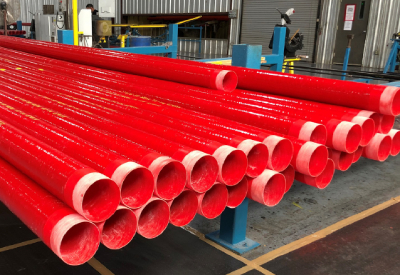
Fiberglass conduit is strong and corrosion-resistant,  used successfully in industries like transportation (for bridges and tunnels), data centers, utilities, wastewater treatment, chemical plants, and mining.

Before conduit is selected and purchased, consideration must be given to the type of installation necessary for the project — above ground, below ground, buried, or concrete encased. Fast, easy installation is part of what fiberglass conduit an a good option compared to PVC-coated rigid steel or GRC conduits. 

In addition to being lightweight and durable, field cutting for proper fit of adhesive joints is a necessary step of installation. Fiberglass conduit can be easily cut on the job site with a few simple procedures. All you need is the conduit, a few common hand power tools, and the right PPE (personal protective equipment).

PPE Safety Requirements

It is always important to follow safety protocol at installation, and that includes the most appropriate personal protective equipment, as dictated in our electrical conduit PPE guidelines detailed below. To prevent accidents, ensure that you have the following PPE on hand to protect skin, hands, eyes, and lungs:

  • Long-sleeved clothing, such as a long-sleeve shirt
  • Gloves
  • Safety glasses
  • Particulate mask (N95)

Tools To Facilitate Cutting

Field cuts can be made with the following tools:

  • Fine-tooth hand-held hacksaw
  • Portaband saw
  • Chop saw with diamond cutting blade
  • Abrasive blade cutter

Easy Step-by-Step for Fiberglass Conduit Field Cutting

Follow these steps for successful field cutting:

  1. Gather and put on the safety personal protection equipment (PPE).
  2. Measure and mark the fiberglass conduit with a contrasting colored marker (cut line).
  3. Cut with your choice of fiberglass cutting tools (hand-held hacksaw, portable band saw, chop saw or abrasive blade cutter)
  4. Finally, remove any cutting burrs or ridges with a 60-grit emery cloth before bonding


Go HERE for more information

Source

Related Articles


Latest Articles


Changing Scene

  • CAF-FCA Welcomes Federal Apprenticeship Investments, Urges Focus on Implementation

    CAF-FCA Welcomes Federal Apprenticeship Investments, Urges Focus on Implementation

    May 1, 2026 CAF-FCA welcomes the federal government’s strong focus on skilled trades in the 2026 Spring Economic Update, including new investments in apprenticeship pathways, financial supports, and employer incentives. These measures reflect long standing priorities advanced by employers and partners across the country. The Canadian Apprenticeship Forum (CAF-FCA) welcomes the Government of Canada’s renewed Read More…

  • ECABC Announces 2026 Hall of Fame Inductees

    ECABC Announces 2026 Hall of Fame Inductees

    April 30, 2026 ECABC is proud to announce that Bill Strain and Rob Tate will be inducted into the ECABC Electrical Hall of Fame this June. Bill and Rob have devoted their careers to the electrical contracting industry in British Columbia. Induction into the Electrical Hall of Fame is the highest honour the Association can Read More…

  • Nexans Initiates Copper Mark Recertification for Montreal Site

    Nexans Initiates Copper Mark Recertification for Montreal Site

    April 27, 2026 Nexans Canada Inc. has initiated the Copper Mark recertification process for its site located at 460 Durocher Avenue in Montreal. As part of this process, an independent external assessment of the site is scheduled for April 22–24, 2026. Copper Mark is an independent assurance framework designed to assess the responsible practices of industrial sites against recognized Read More…

  • Fort Frances Memorial Sports Centre Adding Solar as Part of GICB Program

    Fort Frances Memorial Sports Centre Adding Solar as Part of GICB Program

    April 27, 2026 The Fort Frances Memorial Sports Centre will generate solar energy following an investment of $589,762 from the federal government through the Green and Inclusive Community Buildings (GICB) program. This funding will reduce greenhouse gas emissions and annual electricity costs for the facility. A rooftop solar generation system will convert solar energy into Read More…