Whitepaper: Fan-and-Filter Units to Cool Industrial Enclosures
EIN Rittal fan filter 400

August 12, 2021

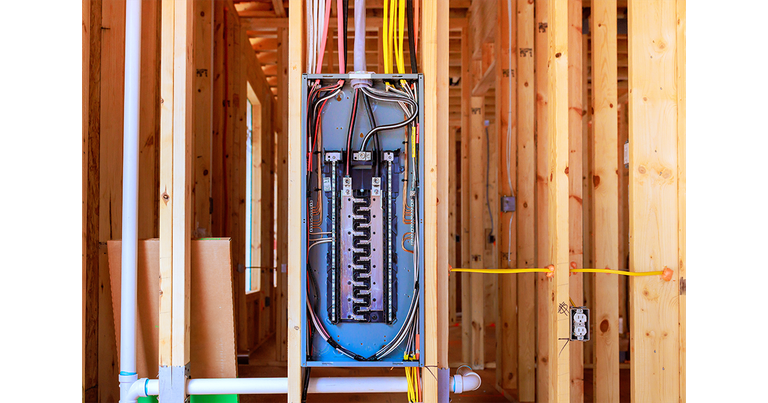
As electronic components become increasingly smaller and are positioned closer together in the enclosure, they become ever more sensitive to external factors such as dust, oil, and temperature. High temperatures are “enemy number one” for sensitive components. Heat must be dissipated effectively and permanently so that these components can function properly. There are several methods for dissipating this heat, including natural convection, fan-and-filter units, air/ air and air/water heat exchangers, and cooling units. Each of these options has its advantages and disadvantages. This white paper describes the basic principles involved in choosing a fanand-filter unit to cool an industrial enclosure. It discusses when you can use a fan and filter unit instead of another cooling solution. And it tells you how to calculate the necessary fan and filter unit and what you will need to bear in mind.

Heat must be dissipated from the enclosure to help ensure the proper operation of the electronic components. This can be done in a number of ways, including: natural convection, fan and filter units, air/air heat exchangers, air/water heat exchangers and cooling devices. A fan and filter unit is a good and effective way of dissipating heat, and also the most economical alternative. If you want to use a fan and filter unit, it is important to calculate how much capacity (airflow) is needed and how much airflow the proposed fan and filter unit actually delivers in combination with an outlet filter. This is the only way to help ensure the desired temperature in the enclosure and provide you with an optimal situation for your components.

Go HERE to download the whitepaper
Related Articles


Latest Articles

  • STANDATA Bulletin Section 6 – Services and Service Equipment

    STANDATA Bulletin Section 6 – Services and Service Equipment

    July 27, 2026 The purpose of this STANDATA bulletin is to clarify Section 6 of the 2024 Canadian Electrical Code (CE Code), Part 1, which outlines the installation requirements for services, service equipment, and metering equipment. View the Bulletin: Read More…

  • Behind the Glow: How Neonview Helped Shape Vancouver’s Newest Landmark Roof

    Behind the Glow: How Neonview Helped Shape Vancouver’s Newest Landmark Roof

    July 27, 2026 Some projects are exciting because they’re new. Others are exciting because you can feel how many people had to be exceptionally good at their craft to make them look effortless. The PNE Amphitheatre (Freedom Mobile Arch) is the latter. The notable largest free-span wood roof in North American is the headline, but the lighting is the… Read More…

  • Canada Light Expo: Energy Efficient Lighting Solutions for Modern Businesses

    Canada Light Expo: Energy Efficient Lighting Solutions for Modern Businesses

    July 27, 2026 How Energy Efficient Lighting Can Help Modern Businesses Balance Profitability with Environmental Responsibility In today’s competitive business landscape, organizations are constantly seeking ways to reduce operational costs, improve sustainability, and foster productive work environments. Among the most impactful yet often overlooked areas of optimization is lighting. As businesses strive to balance profitability… Read More…

  • Stelpro Baseboard Heating: Reliable Comfort for Commercial & Residential Spaces

    Stelpro Baseboard Heating: Reliable Comfort for Commercial & Residential Spaces

    July 27, 2026 By EB Horsman & Son As temperatures rise and winter fades into the background, heating systems might not be top of mind. However, spring and summer are actually the ideal time to plan ahead. Installing or upgrading your heating system now can save time, reduce stress, and ensure you are fully prepared… Read More…


Changing Scene