Do Not Repeat the Mistakes of the Past Under the Weight of Economic Constraints

Jan 15 2016
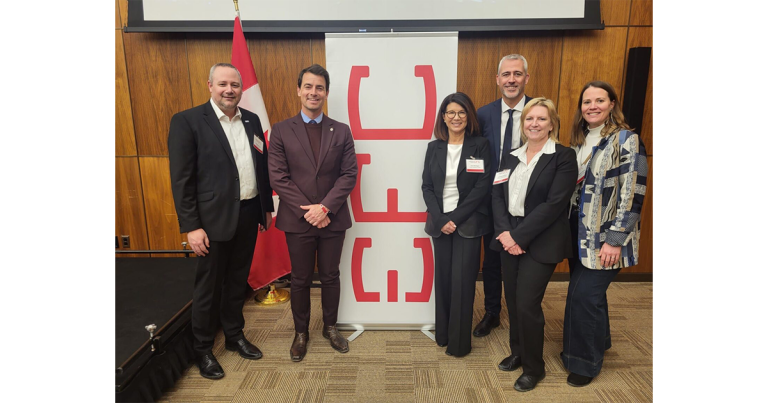
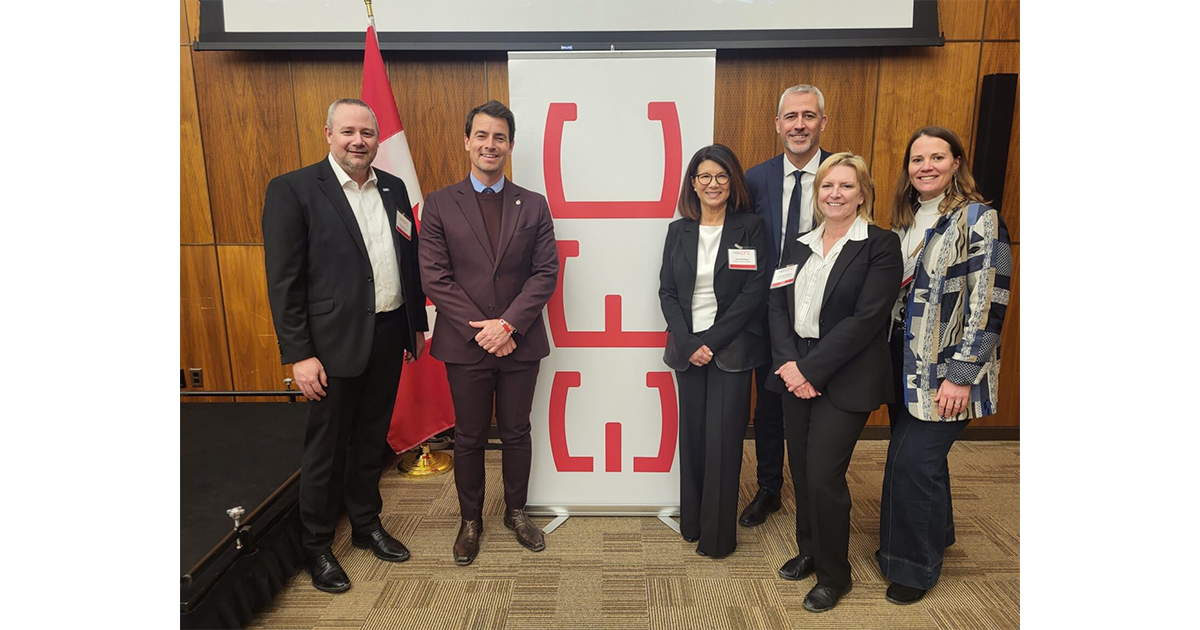
The passion of Michelle Branigan — the Chief Executive Director of Electricity Human Resources Canada, member of our Reader Advisory Board and a regular columnist in our publication — for labour force training is well known. We asked her to share her thoughts with us about the past year and the challenges that await us in 2016.
1. From your perspective, what were the key developments in 2015 (acquisitions, mergers, Canadian economic data, technologies, etc.)?
Despite the fact that electricity is a provincial responsibility, the new federal government’s commitment to clean energy will of course have a big impact on the electricity sector. We’re already seeing Alberta come out with a very different energy plan for the future, and it’s going to be interesting to see how the industry changes and adapts. This includes the impact on jobs that are being displaced as a result of moving away from coal and toward renewables. Conservation and energy efficiency are equallygood incentives for everyone operating in the sector as well as consumers, and will influence not only how we deliver electricity but how willing consumers and business owners are to absorb the significant costs associated with lower environmental emissions.
Looking at this from the perspective of workforce capacity, we have seen changes that will impact the demands of work and the skills trainingrequired to support a changing environment.
In Ontario we’ve seen the recent commitment from Bruce Power and the Ministry of Energy to move ahead with refurbishing six nuclear units at the Tiverton-based nuclear generation station. That’s projected to support up to 23,000 jobs.We’re also seeing amalgamation amongst the LDCs. Shareholders have recently approved the merger of OneSource, Horizon Utilities and Powerstream, who will then jointly acquire Hydro One Brampton.
On the labour mobility side,another huge step in the right direction is the work being undertaken by the CCDA and the provincial governments to improve consistency in apprenticeship training programs across the country and ensure that apprentices can have their skills recognized across all provinces. This harmonization Initiative aims to improve the mobility of apprentices, support an increase in their completion rates, and enable employers to access a larger pool of apprentices. Work began in 2013 with 10 trades. Phase two was announced in November, will see eight trades targeted — including construction electrician, industrial electrician and millwright — and aims to see the implementation of harmonized training in most jurisdictions by September 2017.
2. Do you anticipate major changes in 2016?
We’ll continue to see more and more of the current workforce retire.We’ve been speaking to this for almost a decade now and we’re finally on top of that curve where the biggest percentage of our workforce, the baby boomers, are retiring. It took a little longer than anticipated, due in no small part to the economic climate, but we are starting to see that pace accelerate.
We’re not a “just in time” industry. Our workforce is highly skilled and educated, and we need to ensure that we have the plans in place to manage that exodus while ensuring that we don’t compromise safety. The electrical industry is highly regulated and must manage important safety considerations. It is therefore essential to create regulated professions and certifications.
A worker in our area that reaches a certain position often has a significant level of training. For nuclear operators, it takes 10 years from the moment they start community collegeto the point where they are able to do the work alone. We are very challenged in this context because we are trying to protect public safety and maintain extremely technically complex equipment, and we require very knowledgeable people to do it. Our industry, as it becomes increasingly computerized, will have to face this issue. The key players are well aware of the need to implement processes for transferring knowledge from one generation of employee to the next. This will continue to be a key focus for utilities in 2016.
3. Which emerging technologies do you think will have the greatest impact on our industry in the near future?
Renewable energy technologies of course play a crucial role in sustainable development for the world and for Canada, and growth will be the dominate feature of the renewable energy industry. Canadian investments in many renewable energy technologies have increased 10fold in the last decade, and the list of projects continues to grow. Industrial growth on this scale brings many economic benefits, including the addition of new jobs.
Integration and storage will be pertinent in either or both of the renewable energy and conventional energy systems, and the pace of installation and the numbers and skills of the workforce will be affected by change in these systems.
EHRC has undertaken a research project to assess the capacity of Canada’s workforce to meet the requirements of additions to renewable electricity systems. Employers will have to make long term investments in human resources that parallel the investments in systems to deploy new capacity.
We also need to be cognizant that rapid deployment of renewable energy systems creates external uncertainties related to changing economic conditions and government policies. Further, the scale and timing of investments will be uneven, creating more rapid hiring and then layoffs as projects ramp up and wind down. The industry has learned from experience that there are internal consequences related to safety, workplace quality and productivity related to these external conditions, so a long-term plan that’s not driven politically will help support planning on the workforce front.
4. What single word would you use to summarize 2015?
Pivotal.
5. What are the industry’s biggest challenges for 2016?
Rising electricity prices — and consumer reaction — will continue to dominate discussions around many conference tables.
Not only are we experiencing an aging workforce, but in our business we are also experiencing aging infrastructure, so we have these escalating demands on our workforce.
Understanding the labour market for the sector (the extent of the gap between labour supply and demand), and understanding which areas and occupations in the industry are most under pressure, and the types of pressures that exist, will be key to planning for the long term. We are in discussions with stakeholders to move this work forward.
At the end of the 1980s and the beginning of the 1990s, companies stopped hiring apprentices because of financial pressures. The situation we are in now — a cohort eligible to retire in a relatively short period of time — is aconsequence of this action. It is important not to repeat this error. I am concerned by the fact that we could engage less than employees, in response to the pressures felt by many companies across the country. Although this can help companies in the short term, it would result in long-term labour problems.
Although I think it is less a challenge than an opportunity, it is also important to ensure that employers and teachers continue to work together to understand the requirements of the sector: where the jobs will be located, what impactnew technologies will haveon required skill sets, and is this going to transform current programs? There are several good industry and training initiatives across the country.
The success of the sector depends on the industry’s ability to manage its human resource challenges. A more strategic and national approach to the human resource challenges is critical to ensure the sector’s long-term growth and sustainability. There are thousands of highly skilled Canadians running your electricity business. They are engineers, line maintainers, transmission operators, electricians, etc. They work in generating stations, transmission companies, and distribution utilities. At the end of the day, one constant is the need for our industry to hire and train the best of the best. We always need to remember that without people there’s no power.