Smart Homes Require Smart Infrastructure: Future-Proofing Canada’s Energy Landscape

September 26, 2025
By David O’Reilly, Vice President, Home & Commercial Division, Schneider Electric Canada
As Canada accelerates its transition to a low-carbon economy, the demand for electricity is rising rapidly. From electric vehicles (EVs) and heat pumps to solar panels and battery storage, our homes are becoming hubs of electrification. Yet, many homes were built decades ago and were not designed to support this new energy reality. To truly unlock the potential of these technologies, we need more than smart devices—we need intelligent infrastructure.
The Need for Intelligent Infrastructure
Canada’s aging electrical systems were not built to handle the growing load of modern electrification. Overloaded circuits, outdated panels, and limited capacity are common challenges that can hinder the adoption of new technologies. For instance, installing an EV charger or a heat pump in an older home may require costly upgrades to the electrical panel, which can be a significant barrier for homeowners and builders alike.
Intelligent infrastructure, such as smart electrical panels, can help address these challenges by providing real-time monitoring and control of energy usage. This allows homeowners to optimize their energy consumption, reduce costs, and enhance the resilience of their homes to power outages and grid instability.
Smarter Homes, Smarter Grids
The benefits of intelligent infrastructure extend beyond individual households. As more Canadians adopt electrification technologies, the cumulative impact on the grid becomes significant. Smart infrastructure can help manage energy loads, provide real-time insights, and facilitate demand flexibility—supporting grid stability while helping homeowners make informed decisions about energy use.
For example, smart panels can detect and respond to changes in energy demand, automatically adjusting settings to prevent overloads and ensure efficient energy distribution. This not only enhances the reliability of the home but also contributes to the overall stability of the electrical grid.
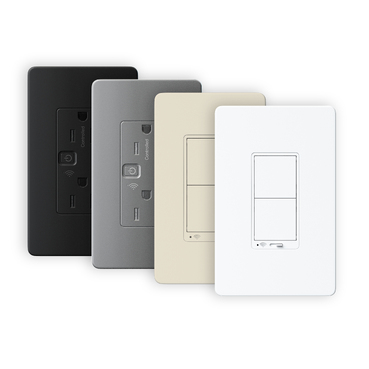
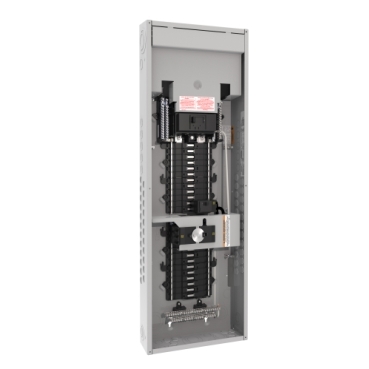
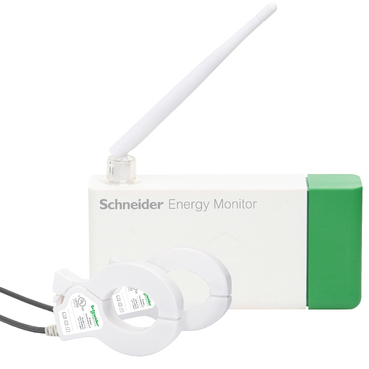
Builders Embracing Connected Infrastructure
Builders and developers are increasingly recognizing the value of connected infrastructure. Homes equipped with intelligent electrical systems are more attractive to buyers, easier to market, and better aligned with energy efficiency and sustainability standards. By planning for energy resilience from the ground up, builders can avoid costly retrofits, offer greater value, and position themselves for the net-zero future.
Moreover, integrating smart infrastructure into new builds can help meet regulatory requirements and align with government incentives aimed at promoting energy efficiency and reducing carbon emissions.
The Role of Smart Panels
Products like Square D’s QOTM smart panel solution from Schneider Electric illustrate how homeowners and builders can begin to close the gap between device-level “smartness” and fully integrated, intelligent infrastructure. By providing real-time monitoring, data-driven insights, and automation capabilities, such solutions help manage energy consumption, reduce costs, and future-proof homes—without relying solely on individual devices to do all the work.
With thoughtful initial investments in such smart infrastructure, the long-term benefits are substantial. Homeowners can achieve significant savings on energy bills, reduce their carbon footprint, and enhance the resilience of their homes to power outages and grid instability.
A Call to Action
As we redefine what “home” means in a net-zero future, it’s critical to rethink how we interact with energy. Smart homes start with smart infrastructure. We cannot build the homes of tomorrow on yesterday’s systems; if we want a resilient, sustainable, and technologically capable residential landscape, we must design our homes to support the energy demands of the future from the very beginning.
To learn more about how to future-proof homes and harness the potential of connected energy management, visit QO Smart Panel Solution | Schneider Electric Canada.
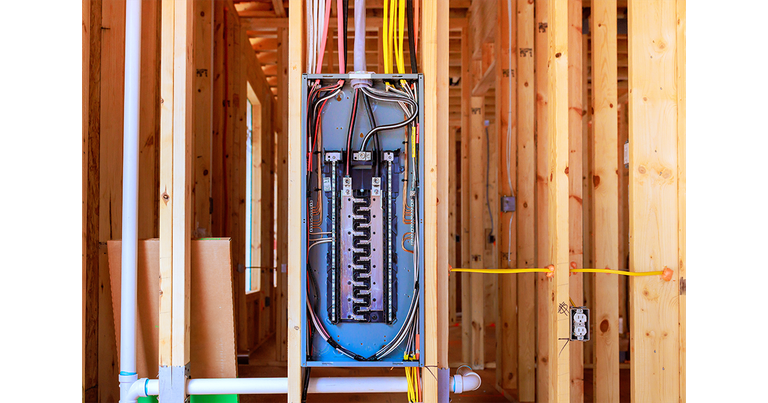
![Guide to the Canadian Electrical Code, Part 1[i], 26th Edition– A Road Map: Section 74 — Airport installations](https://electricalindustry.ca/wp-content/uploads/2026/05/EIN-Stock-Guide-Code-Canada-Map-1200-768x403.png)




![Guide to the Canadian Electrical Code, Part 1[i], 26th Edition– A Road Map: Section 74 — Airport installations](https://electricalindustry.ca/wp-content/uploads/2026/05/EIN-Stock-Guide-Code-Canada-Map-1200.png)