Whitepaper: Understanding Furniture Power Codes

July 29, 2024
What Codes Dictate How a Furniture Device Can Be Installed and Used?

Introduction:
In today’s world of modern commercial spaces, access to convenient power, charging and data is a must-have amenity to accommodate the diverse charging needs of employees and patrons. With the proliferation of electrical devices in our daily lives, there is an increasing need for seamless access to power sources without sacrificing aesthetics or safety.
This growing demand presents you with the opportunity to position yourself as a trusted advisor and expert on furniture power trends and solutions. One area of expertise that will give you a competitive edge is developing a comprehensive understanding of furniture power codes essential for offering safe, compliant and high-quality furniture power products. Familiarity with these codes will enable you to recommend furniture power solutions that not only meet aesthetic preferences, but also adhere to regulatory standards for electrical safety.
In this white paper, you will learn about the codes that dictate how a furniture device can be installed and used. You will develop an understanding of key UL listings, learn how to differentiate the various mounting options, discuss overcurrent protection and address the question of daisy chaining.
Understanding UL Listings: UL962A vs. UL1363
UL962A and UL1363 are two important safety standards established for furniture power products. Although they both apply to furniture power sources, understanding their key differences is essential for appropriate product selection, safety compliance and earning your customers’ trust by demonstrating your knowledge of industry standards.
UL962A is used to evaluate Furniture Power Distribution Units (FPDUs) and emphasizes aspects such as fire resistance and grounding integrity. Compliance with UL962A helps prevent common electrical hazards encountered in furniture with built-in electrical components, such as fires or shocks.
UL1363 pertains to Relocatable Power Taps (RPTs) and focuses on surge protection capability and insulation. It sets specific criteria for the construction materials of these devices to help minimize the risk of fire and electrical shock hazards.
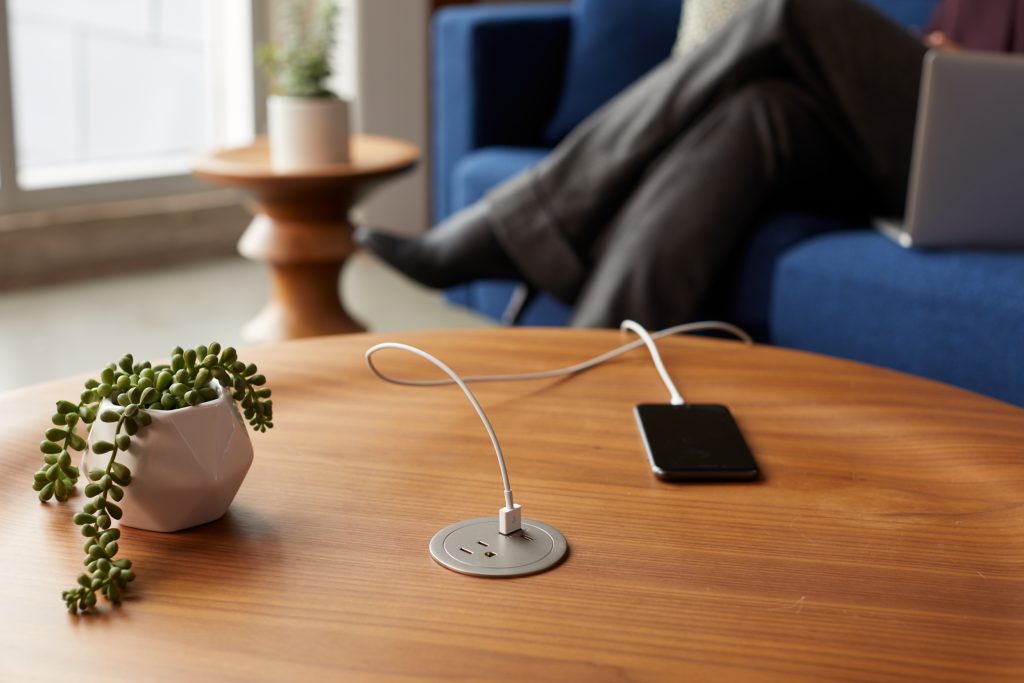
Differentiating the Mounting Options: FPDUs vs. RPTs
Furniture Power Distribution Units (FPDUs) and Relocatable Power Taps (RPTs) have different applications and characteristics with the main difference being in how the devices are intended to be utilized and installed.
FPDUs are intended for fixed mounting installations into portable or stationary furnishings as a power supply for cord- and plug-connected utilization equipment. This type of mounting option is most used in furniture such as desks, tables and even cabinets.
RPTs can be moved from one location to another and are not intended for permanent installation in furniture. They are typically used for temporary power distribution needs and most commonly appear as power strips or extension cords.
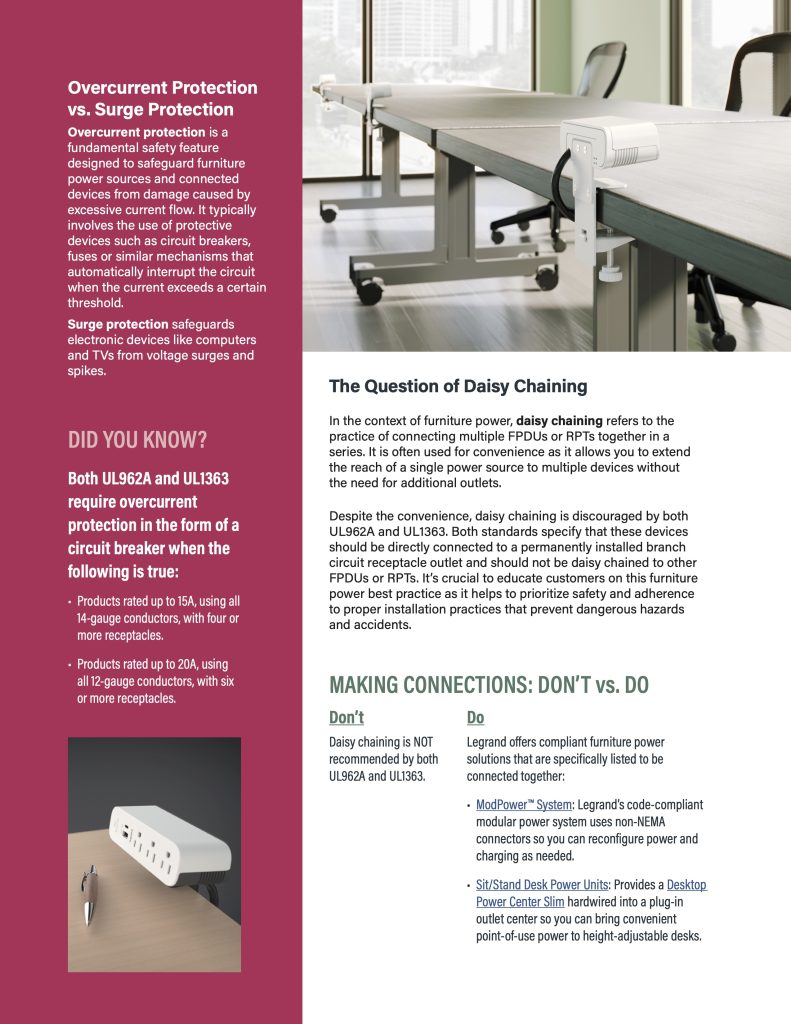
Furniture Power Solutions
Crafted for a Connected World n today’s technology-dependent world, designing commercial spaces with configurable and convenient power, data and charging is more important than ever. Becoming well-versed in furniture power codes will empower you to provide expert guidance to your customers, helping them navigate complex installation requirements and select furniture power pieces that integrate seamlessly with new or existing electrical systems.
Go HERE for more information
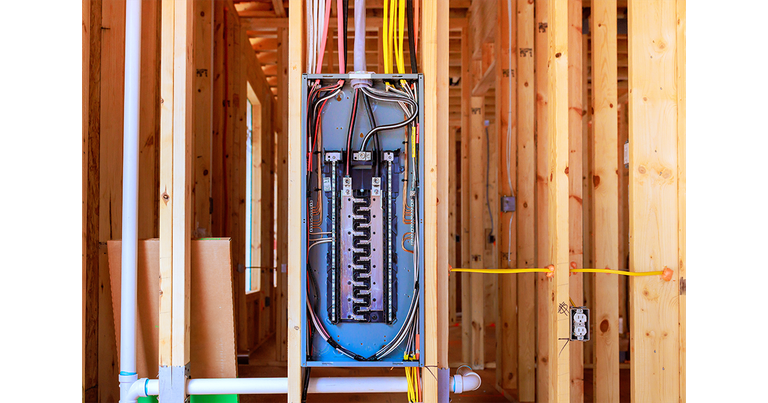
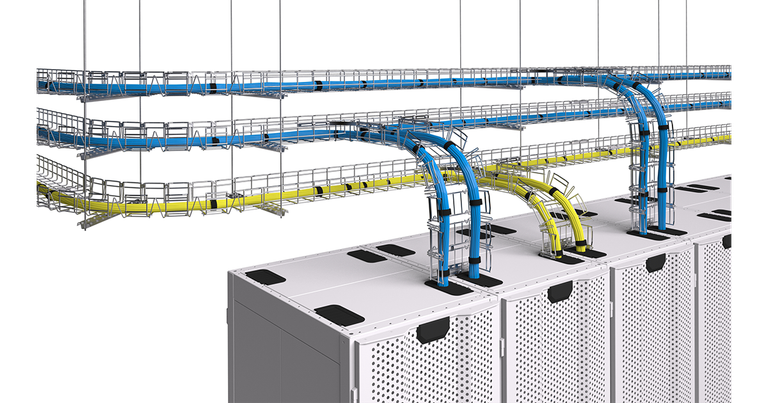
![Guide to the Canadian Electrical Code, Part 1[i], 26th Edition– A Road Map: Section 74 — Airport installations](https://electricalindustry.ca/wp-content/uploads/2026/05/EIN-Stock-Guide-Code-Canada-Map-1200-768x403.png)



![Guide to the Canadian Electrical Code, Part 1[i], 26th Edition– A Road Map: Section 74 — Airport installations](https://electricalindustry.ca/wp-content/uploads/2026/05/EIN-Stock-Guide-Code-Canada-Map-1200.png)