Top 5 Safety Risks for British Columbia Revealed in Technical Safety BC’s Latest State of Safety
May 27, 2024
Technical Safety BC released its 2023 State of Safety and Annual Report, outlining the leading safety priorities and risks for British Columbia over the past year. The Top Five Safety Risks identified in the report highlight the need for safe digging around gas lines, an increased focus on ammonia safety, the dangers of electrical fire and shock, as well the persistent risks of carbon monoxide exposure, which was once again the highest-ranked safety issue in 2023.
“British Columbians should be able to trust that the places they work, live and play are safe,” said Phil Gothe, President and Lead Executive Officer at Technical Safety BC. “Our State of Safety and the Top Five Safety Risks highlight not only the areas of focus for our team, but represent a call to action to all those across the safety system.”
CO exposure ranked highest safety risk for the second year in a row
Carbon monoxide exposure continues to pose the most significant risk for British Columbians, ranking as the top safety risk in the province for the second consecutive year. In 2023, Technical Safety BC investigated a total of 17 incidents involving CO exposure, up from the 10 incidents the year prior, with one incident resulting in a fatality.
The severity of carbon monoxide exposure, combined with the critical need for greater public attention around carbon monoxide safety precautions have both contributed to the issue’s consistent high risk ranking by Technical Safety BC. A 2023 survey revealed only 42% of British Columbians conducted annual servicing of their gas appliances by licensed contractors. When gas appliances are not properly maintained, they can cause carbon monoxide exposure incidents. Additionally, 42% of respondents lacked carbon monoxide detectors despite nearly half of them owning gas appliances.
Concerns around electrical safety among the public and electrical workers
Electrical safety awareness emerged as a key priority for British Columbians, with electrical fires, and electrical shocks appearing among the Top Five Safety Risks for the province in 2023.
Electrical shock or arc flashes can cause serious injuries. They often occur when licensed and qualified electricians are faced with challenges in following safe work procedures, including working on energized equipment to avoid inconveniencing a client, not wearing the necessary, but bulky, protective equipment, and/or misunderstanding the extent of hazards in the work area.
Investigations also revealed incidents that involved unlicensed individuals with no electrical qualifications working with, or near, electrical equipment, creating additional risk to their own safety, as well as those around them.
The safety risks associated with electrical systems extend to concerns around electrical fires in British Columbia, which is one of the leading causes of house fires across Canada. The majority of incidents investigated by Technical Safety BC over the past year involved the improper use of electrical appliances such as heaters, extension cords, and power bars by homeowners, resulting in fires in family homes.
“This year’s report highlights that many of the top safety risks not only result from unlicensed work or the incorrect use of technical equipment, but also the decisions made at job sites,” added Gothe. “This reinforces the need for greater understanding and collaboration across all participants in the safety system to increase awareness and ultimately reduce incidents and injuries.”
The annual State of Safety reports on the latest data and trends that impact the current state of technical safety and the work being done by Technical Safety BC to improve safety in British Columbia, illustrated through charts, stories, and analysis.
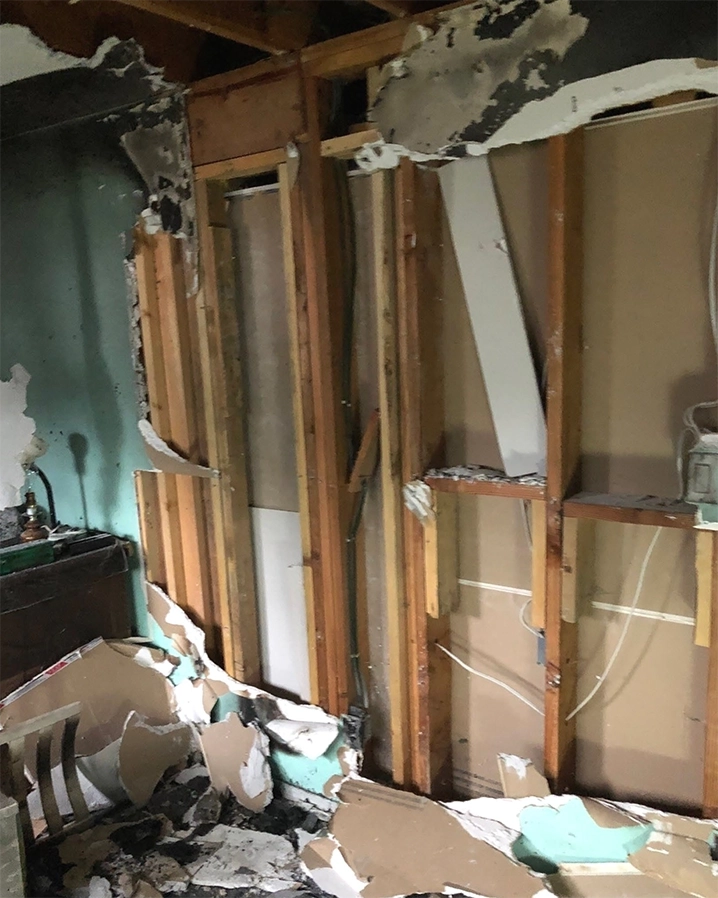
The bedroom of a family home was damaged in an electrical fire caused by an overloaded connection.
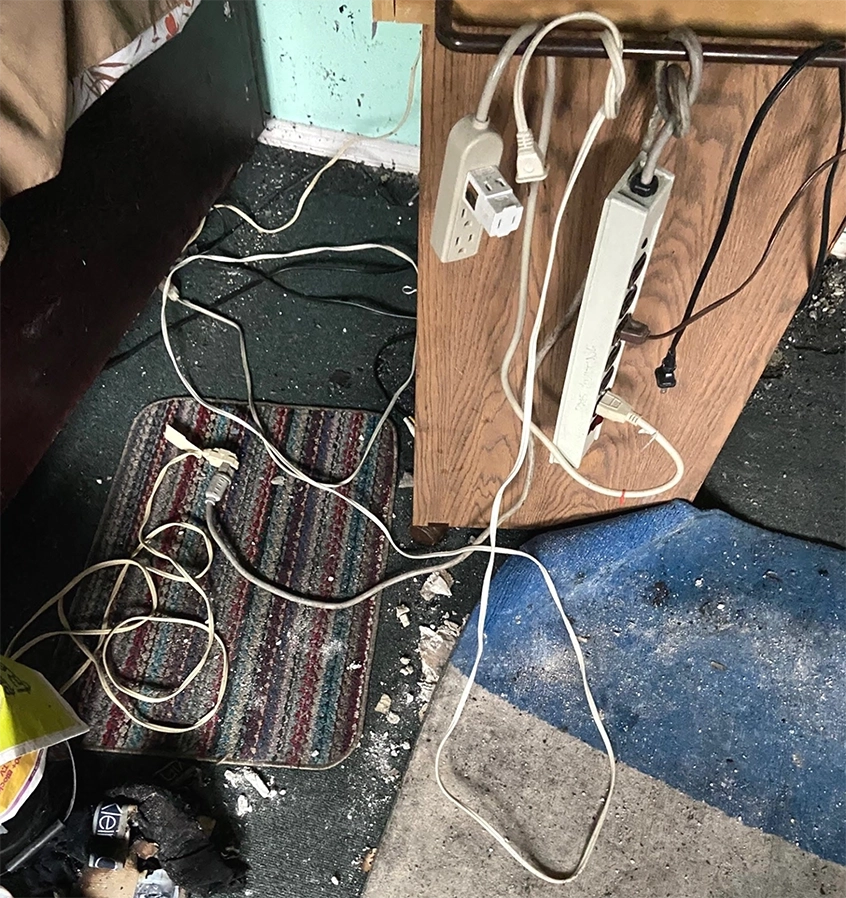
Power bars and multi-outlet adapters that were connected to an overheated receptacle.
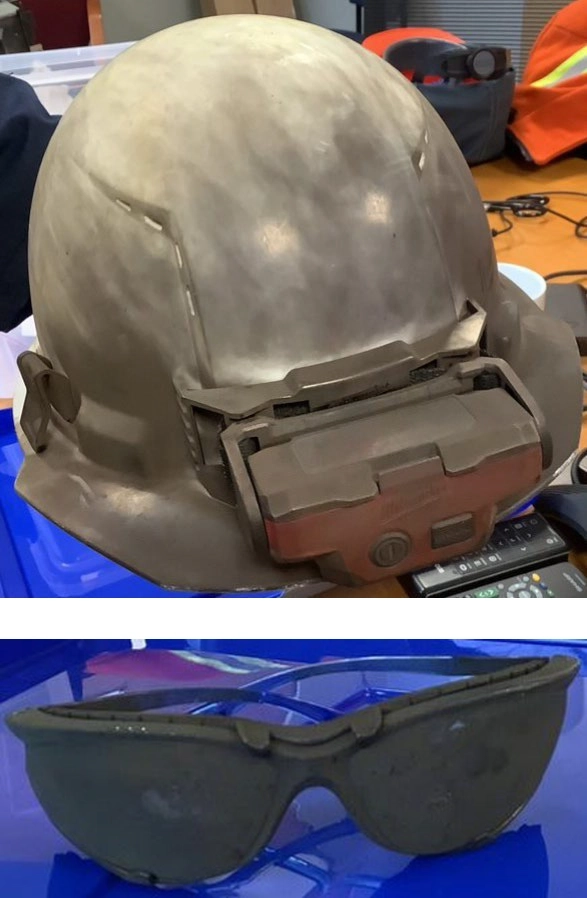
Burn damage to hard hat and safety glasses after an electrician was exposed to an arc flash when performing voltage tests.
Highlights from the 2023 report include:
- The 2023 Top Five Safety Risks from regulated technologies under the Safety Standards Act were analyzed and ranked based on incident data from the past five years, including the likelihood of an incident taking place, as well as the severity of consequences such as injury or damage. They were identified as: carbon monoxide exposure, ammonia safety, gas line strikes, electrical fires, and electrical shocks.
- The number of reported safety incidents decreased in 2023, with 398 incidents reported in total. Beyond equipment failure, major factors contributing to safety incidents included human error or decisions, lack of appropriate signage and communication, and failure to adhere to safety protocols.
- In total, 116,369 operating permits and 143,673 installation permits were issued in 2023. These numbers reflect a three percent increase and eight percent decrease, respectively, from 2022.
- Comparable to last year, 54,746 assessments were completed in 2023, from which 8,588 hazards were identified.
- Of the 59 incident investigation reports Technical Safety BC published in 2023, extreme weather or emerging green technologies contributed to the cause of nine.
View the State of Safety 2023 Report
View the 2023 Annual Report