Lighting the Way: Addressing Common Emergency Lighting Challenges and Solutions

October 10, 2025
By: Edwin Vice, Director of Research and Development at LightArt
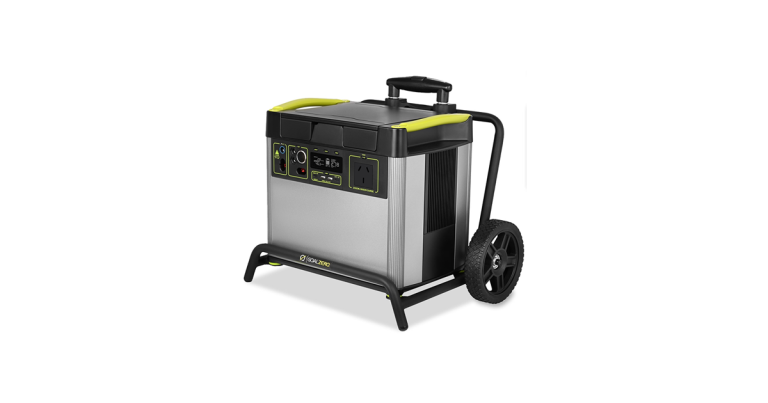
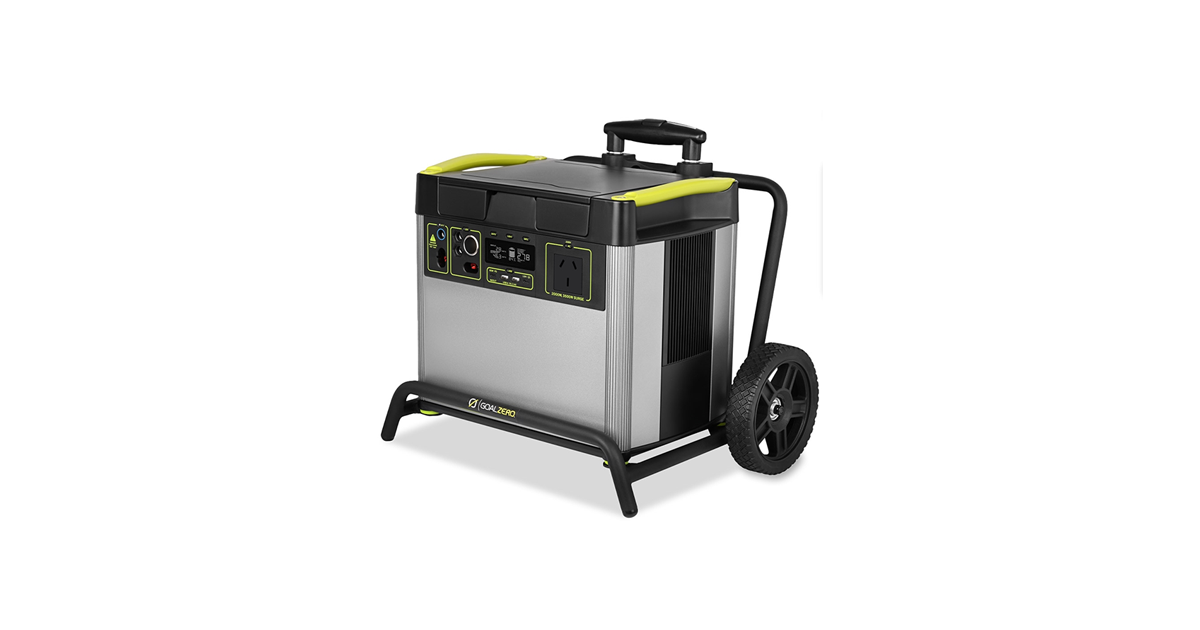
Emergency lighting is often a silent but necessary component in the commercial building industry, not just as a code requirement but as a critical life safety system. Despite its importance, many emergency lighting (EM) systems fail due to maintenance oversights, outdated components, and design flaws. As power outages can be unpredictable, having a reliable emergency lighting system installed is crucial for reducing the risk of accidents and ensuring occupants evacuate safely and orderly.
As an OEM lighting manufacturer, a clear pattern of preventable missteps emerges time and again, especially when integrating emergency components. The encouraging part is that modern technology holds the key to avoiding these failures. This piece will explore those recurring issues and offer tangible solutions to improve performance, safety, and compliance.
Common Issues in Emergency Lighting
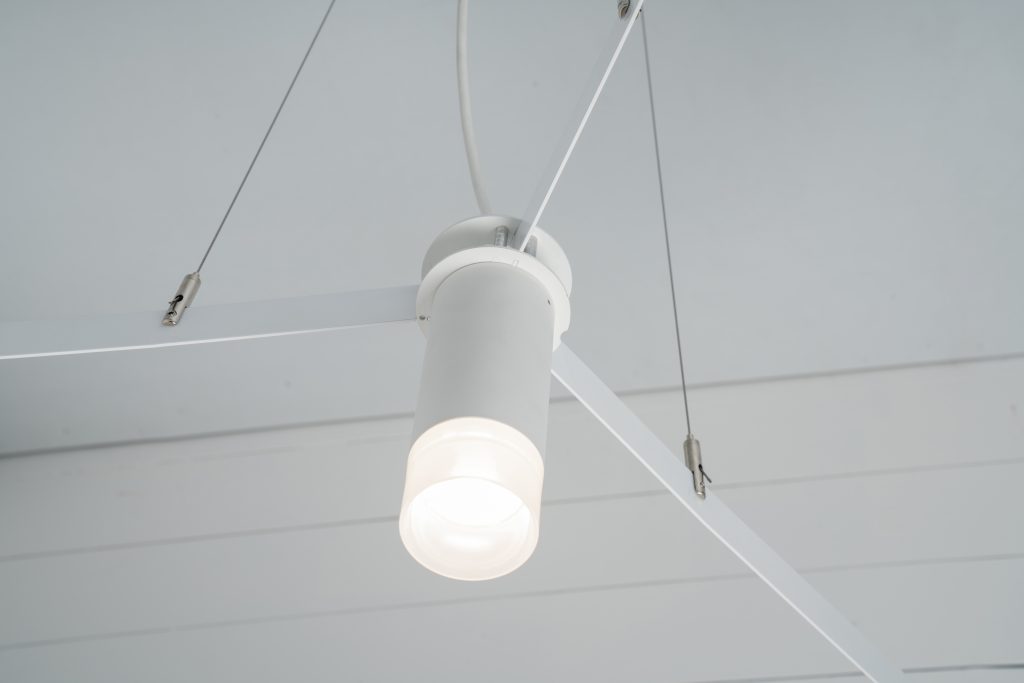
Even the most advanced emergency lighting systems can present challenges. Recognizing and understanding these issues is the first step to establishing reliable daily operations.
- Compatibility and Integration: Ensuring emergency drivers or battery packs are compatible with increasingly complex LED luminaires.
- Installation Complexity: Emergency lighting requires careful wiring (dual circuits, test switches, remote indicators), which can increase installation errors or costs.
- Code Compliance Confusion: Varying interpretations of NFPA 101, IBC, and UL standards often create uncertainty about what’s required and where.
- Maintenance Burden: Facilities often struggle with the required monthly functional and annual 90-minute full duration tests, especially across large campuses.
Solutions and Best Practices
There have been several advancements in emergency lighting technologies and products in the last decade, including but not limited to:
- Integrated Emergency Drivers: More luminaires now ship with factory-integrated EM drivers, reducing field labor.
- Smaller Form Factors: Miniaturization of battery packs and electronics makes emergency integration more feasible in decorative and architectural products.
- Lithium Battery Chemistries: Replacing NiCd/NiMH for longer life, reduced weight, and better environmental profile.
- Self-Testing & Reporting Units: Modern EM drivers support self-diagnostics and even wireless/Bluetooth reporting for compliance documentation.
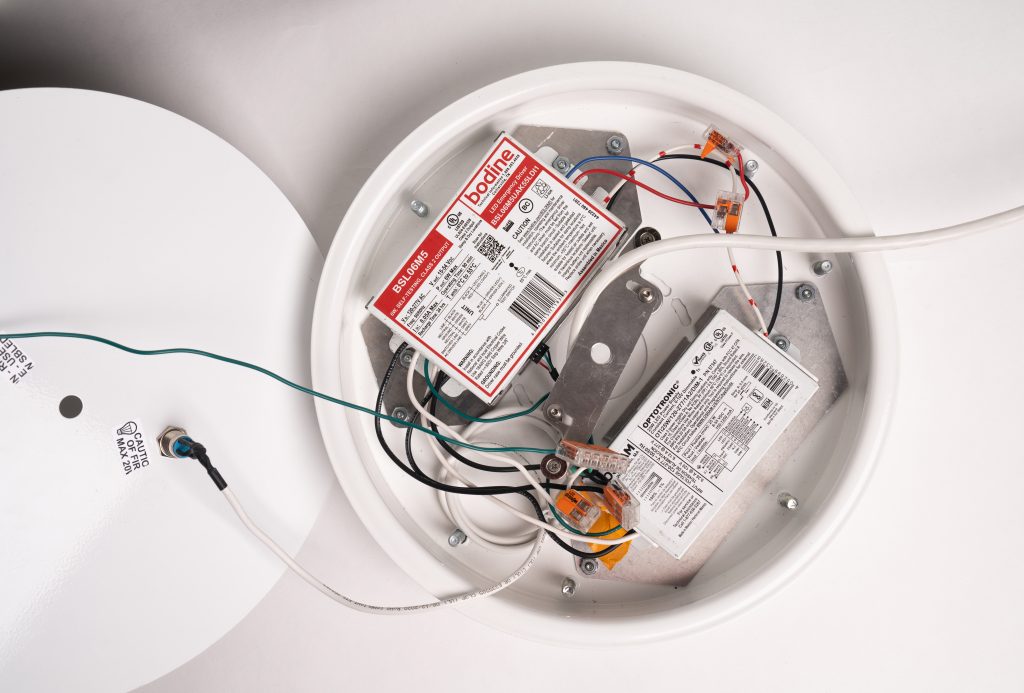
Evaluating and adopting alternate battery chemistries improves user experience and reduces maintenance burdens. Designing emergency-ready products with clear labeling and self-testing emergency driver options will help ease the burden of manual testing, and compatibility with dedicated EM circuits.
The Role of OEMs in Driving Reliability
OEM collaboration with contractors and engineers during specification prevents downstream issues, and more directly supports the daily challenges they face. For example, a common pain point is not having proper access to test switches, which can cause a lack of central monitoring and a lapse in mandatory monthly testing. Working with an OEM to determine which system will best support the building layout can mitigate ongoing issues.
While it’s important to actively research and develop modern electrical emergency luminaires, it’s just as paramount to select certified products that meet national codes and are backed by documented testing. Recent updates to standards and codes related to emergency lighting that managers should know about include:
- NFPA 101 & 70 (NEC): Greater emphasis on documentation and automated testing.
- UL 924 updates: More rigorous testing for digital control override (0-10V, DALI).
- IBC & IFC (International Codes): Clarified language about emergency lighting requirements in egress paths, including during generator startup time.
Encourage specifiers, contractors, and facility teams to work with OEMs to ensure the emergency-equipped luminaires are compliant and continue to work with the latest emergency drivers on the market.

Emergency Lighting Considerations
Emergency lighting isn’t a ‘set it and forget it’ system. Recent advancements in emergency lighting technologies now allow us to predict failures before they happen, better support occupant safety, and establish operational continuity. OEM innovations in batteries, diagnostics, and interoperability are making it easier than ever to ensure systems perform when needed most. As such, try to motivate engineers and contractors to design early for emergencies, as retrofitting emergency lighting components into decorative or architectural fixtures can often be impractical. Partnering with OEMs and component vendors will ensure facilities receive proper emergency driver sizing, optical performance, and certification.
These improvements, in addition to updated code requirements, will enhance user experience and reduce maintenance burdens, making it easier for specifiers, contractors, and facility teams to integrate reliable emergency lighting solutions within facilities.
About the Author: Edwin Vice leads innovation at LightArt as Director of Research and Development, overseeing product development and driving the evolution of the company’s portfolio. With over 20 years of experience in architectural lighting, he specializes in creative problem-solving, strategic leadership, and transforming ideas into market-ready solutions that align with sustainability and brand vision.