The Importance of HazLoc LED Lighting for Safe Workplaces

November 30, 2025
By CSC LED
In Canada’s industrial lighting sector, one of the most critical yet often overlooked safety components is lighting designed specifically for hazardous locations, otherwise known as HazLoc (hazardous location) LED lighting. For workplaces dealing with flammable gases, vapours, combustible dust, or ignitable fibres, standard LED fixtures simply don’t cut it. These specialized lighting solutions are engineered to prevent ignition of volatile atmospheres, mitigate the risk of catastrophic explosions and fires, and boost operational safety and efficiency.
Preventing Explosions and Fires
In hazardous environments, any electrical spark, flame, or excessively hot surface can act as an ignition source. HazLoc-rated LEDs are designed to eliminate or control these risks:
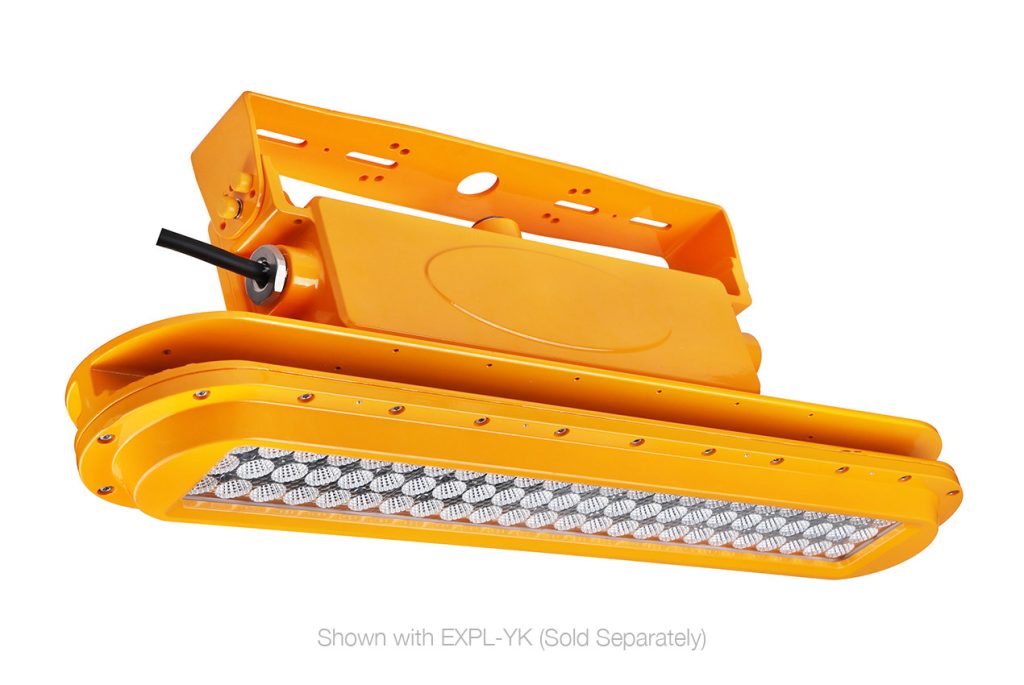
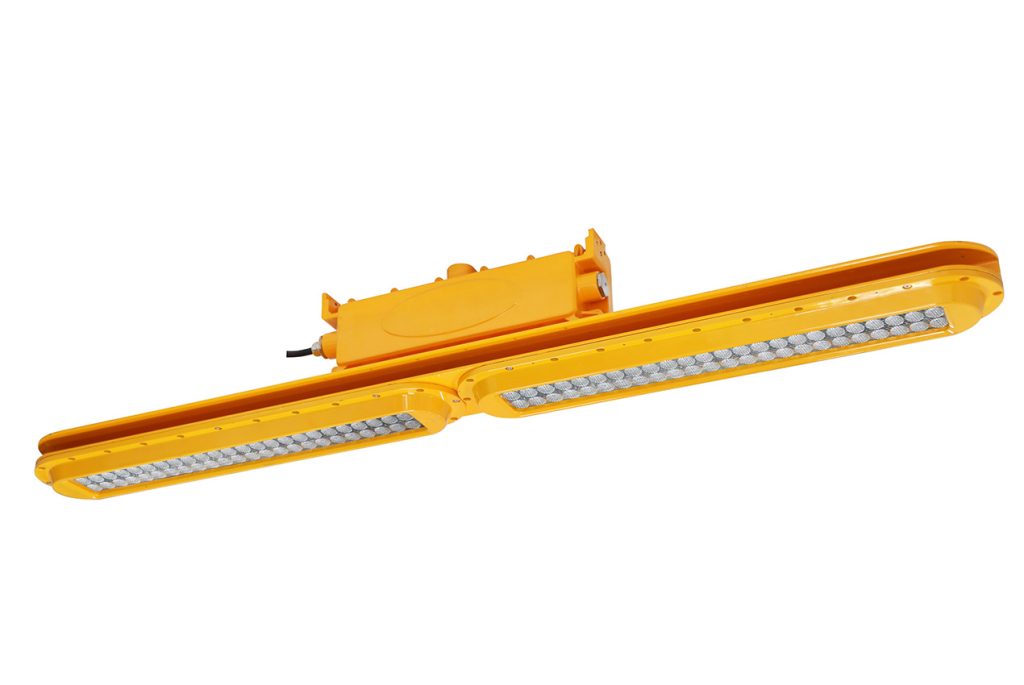
- Containment: Fixture housing is built to withstand an internal explosion and prevent sparks or flames from escaping into the surrounding hazardous atmosphere.
- Low heat output: Traditional bulbs convert most of their energy into heat, which is hazardous when flammable mixtures exist. LEDs operate at much cooler temperatures, reducing risk.
- Sealed against hazards: HazLoc fixtures are sealed to block vapours, dust and moisture from reaching electrical components, thereby reducing the chance of an ignition source being introduced.
Regulatory Compliance and Certification
Safety isn’t just about best practice—it’s about following rigorous regulations and standards. This is especially true for lighting in hazardous locations.
- Classification systems: Workplaces must identify the hazard type and likelihood of presence. For example, Class I (flammable gases/vapours), Class II (combustible dust), and Class III (ignitable fibres) under the North American Division system.
- Canada’s system: In Canada, equipment used in hazardous areas must comply with the Canadian Electrical Code (CEC) and other standards like CSA C22.1.
- T-rating (temperature rating): A fixture’s surface temperature must be below the ignition temperature of the hazardous materials present. Installation must match ambient/max surface temperature of the environment.
- Certifications: Fixtures should be tested and certified by recognized bodies (e.g., UL, IECEx, ATEX) to ensure they meet the required protection levels for the hazardous area.
Failing to use proper HazLoc lighting may lead to regulatory non-compliance, increased risk of incidents, and costly consequences for both safety and legal liability.
Enhanced Visibility and Operational Performance
Beyond preventing disasters, properly designed HazLoc LED lighting delivers significant operational benefits that contribute to safer and more productive workplaces.
- Superior illumination: LEDs provide crisp, bright, uniform output that reduces shadows and improves visibility, helping workers read gauges, move safely and detect hazards sooner.
- Instant-on capability: Unlike traditional lamps that may require warm-up time, LEDs reach full brightness instantly, critical in emergencies or power interruptions.
- Durability and reliability: Industrial HazLoc LEDs are made from rugged materials designed to withstand shocks, vibration, corrosive atmospheres, and high duty cycles, minimizing the risk of failure.
- Longer lifespan and lower maintenance: With lifespans up to 50,000 hours, LEDs drastically reduce bulb-change frequency, a big advantage in hazardous settings where maintenance is complex and risk-laden.
Cost-Efficiency and Sustainability
Lighting upgrades in hazardous locations aren’t just about compliance—they make sound financial and environmental sense.
- Energy savings: LEDs consume far less energy than traditional lighting (incandescent, HID, fluorescent). For large industrial sites running 24/7, the savings quickly add up.
- Reduced maintenance costs: Fewer replacements and less downtime mean lower labour and spare-part costs—especially important in high-risk areas.
- Environmental benefits: HazLoc LEDs don’t contain mercury, have longer life spans (reducing waste) and typically reduce carbon footprint through lower energy consumption.
Why HazLoc Lighting Matters
When working in environments with flammable gases, vapours, dust or fibres, safety isn’t an option; it’s a requirement. HazLoc-rated lighting helps prevent ignition, supports legal compliance, and ensures your workforce operates under the safest possible conditions.
Where and When to Use HazLoc Fixtures
Industries where HazLoc lighting is essential include:
- Oil & gas (refineries, offshore platforms)
- Chemical processing plants
- Mining operations and underground tunnels
- Grain storage, flour mills or other dust-prone environments
- Wastewater treatment, solvents, paint shops, and industrial spray booths
Any area where explosive atmospheres may occasionally or persistently exist should be evaluated for HazLoc lighting requirements.
Choosing the Right HazLoc LED Fixture
When selecting a HazLoc LED lighting solution, consider:
- The specific hazard classification of the area (Classes, Zones, Groups)
- The temperature rating (T-rating) of the fixture relative to the environment
- Certifications the fixture holds (UL/CSA, IECEx, ATEX)
- Ambient and surface temperatures, presence of dust or corrosive substances
- Whether the fixture is sealed, ruggedized, or easy to maintain
- Energy vs. maintenance trade-offs
Lighting Built for Hazardous Environments — Drive Safety and Compliance
In Canada’s industrial lighting landscape, HazLoc LED lighting isn’t an optional extra—it’s a critical foundation of a safe, reliable, and productive workplace. If your facility handles volatile atmospheres, make sure your lighting is up to the task.
Explore our HazLoc LED lineup today — lighting solutions that prioritize worker safety, legal standards, and long-term performance.
![Guide to the Canadian Electrical Code, Part 1[i], 26th Edition– A Road Map: Section 74 — Airport installations](https://electricalindustry.ca/wp-content/uploads/2026/05/EIN-Stock-Guide-Code-Canada-Map-1200-768x403.png)



![Guide to the Canadian Electrical Code, Part 1[i], 26th Edition– A Road Map: Section 74 — Airport installations](https://electricalindustry.ca/wp-content/uploads/2026/05/EIN-Stock-Guide-Code-Canada-Map-1200.png)