Agents of Change: Bridging the Gap Between Talk and Action

November 29, 2022
By Blake Marchand
This article is a summary of EHRC’s Agents of Change panel, Bridging the Gap Between Talk and Action. The annual event hosted by EHRC at the Toronto Reference Library is a two-day event designed to promote diversity, equity, and inclusion in the electricity industry.
Moderated by Humberto Carolo, Executive Director of the White Ribbon Campaign, panelists included Carol Calvert, Vice-President, People & Culture, Electrical Safety Authority; Carol Dayment, Senior Advisor, Diversity, Equity, & Inclusion, Nova Scotia Power; and Dan Quigley, Federal Adjudicator.
The panel provided insights as to how organizations can support efforts to achieve success, the role individuals play, and provide insight as to how organizations can create allies in the workplace.
Nova Scotia Power has approximately 2,000 employees and they have taken a multi-year, multi-pronged approach to promoting diversity, equity, and inclusion within their organization. Which they have been working at for about 4-5 years, Dayment said.
Dayment spoke to the work they have done with their operations crew. The linemen trade is one that is historically masculine by nature of the work involved, which is physically demanding.
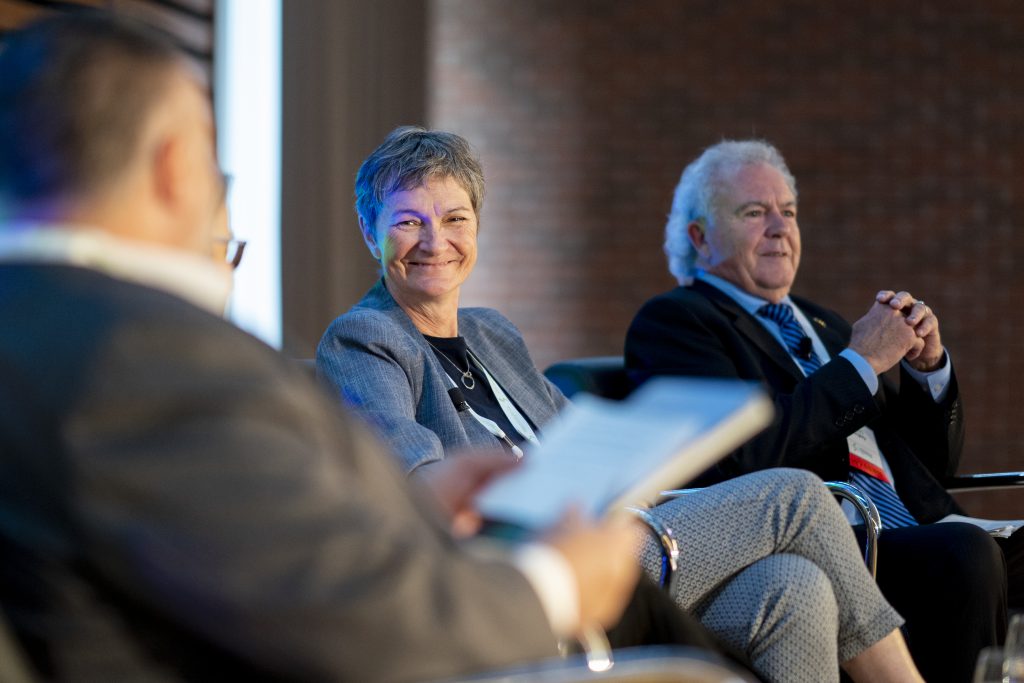
“If you are a woman – and we’ve been successful in recruiting women into those roles – we know that it is our responsibility to work on the workplace culture so that those women are included and can bring their full-selves to work,” explained Dayment.
“That doesn’t happen by someone like myself or my colleagues going and speaking to groups of men, it happens when men talk with men.”
“What we did was, we engaged a very skilled facilitator, we built a commitment with the management team within the operations group, and we worked on building a program for men only.”
The facilitator, who is a crisis management mediator, Dayment explained, delivers the program by going out into the field and working with groups of powerline technicians.
It is a three-week program that introduces the concept of otherness. Starting with gender, also touching on things like power and privilege, they educated their crews on the things they don’t know. They needed the tools to discuss the issue, engage in the issue, and to understand their role in DEI. The later is important for change. Once people understand their role in promoting change, it becomes more collaborative rather than ‘us’ versus ‘them’.
“There was some resistance, I would say, particularly in the first morning – but there is an openness to understanding what their role is in encouraging others to join their trade,” said Dayment.
“This is a group of people that depend on one another for their lives. So, if there is a sense of lack of belonging or lack of inclusion,” she explained, “we could have people who aren’t entirely sure they have each other’s backs.”
The nature of the trade put a focus on trust because of the danger involved, which emphasizes the importance of understanding that everyone has a role in supporting their colleagues. That includes those that are facing discrimination in the workplace.
The program introduces the concepts of power and privilege and gives people from outside the organization an opportunity to speak about their experience in the trades, who invite questions, and allow for open discussion.
“They have those open dialogues for crews to see they have a role in supporting their colleagues,” and that’s something they take pride in, Dayment said.
They are putting the entire company through the program – they’re about halfway through, Dayment said at the time of the event.
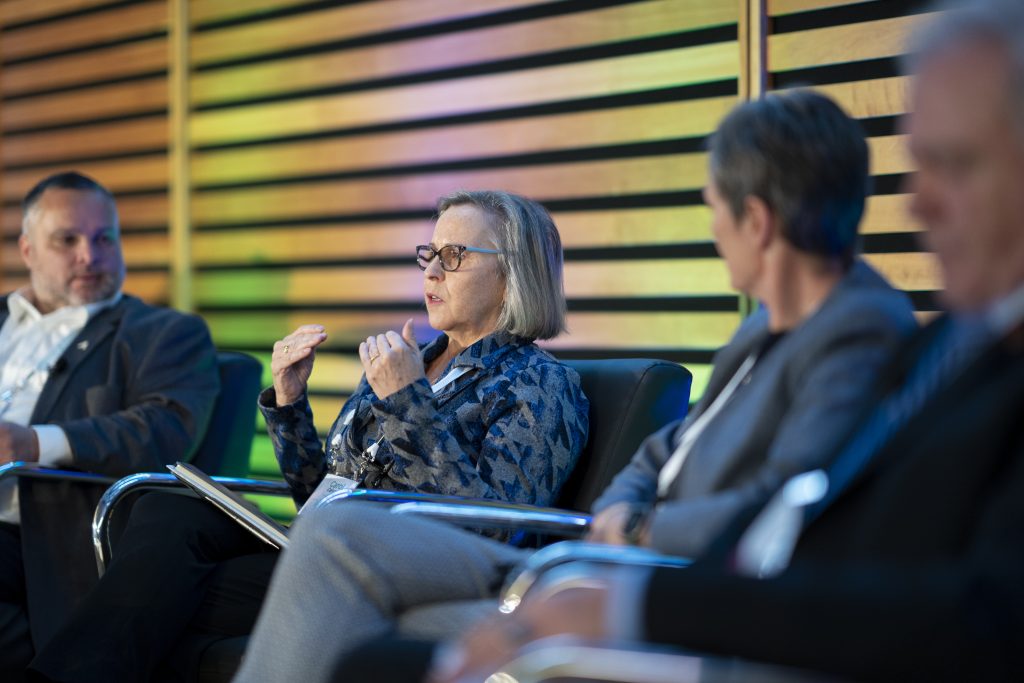
The Electrical Safety Authority of Ontario has a similar program called Safe and Brave Spaces.
“We started by building a foundation of work around diversity and inclusion before introducing this program,” explained Carol Calvert, which provided the foundation for them to build off of, similar to how Nova Scotia Power focused on educating employees so they have the tools to engage in the subject matter meaningfully.
“It’s been a long few years and in 2021, that culminated in a formal program called our Ideas Strategy: Inclusion, Diversity, Equity and Accessibility. That foundation has been an important part in getting the place where we could launch this program,” explained Calvert.
Karen Serblowski is the person on Calvert’s team that leads their Ideas Strategy and created the Safe and Brave Spaces program.
The intention Calvert said, was “shifting conversations and creating environments, sub-environments within our larger organization, to engage in those meaningful conversations and dialogues that will help shift the passage forward.”
“We had an interesting event that occurred, which really created an inflection point, which we jumped on, because it created that opportunity to begin this journey,” said Calvert.
“Through several of our awareness programs, one in particular stimulated a lot of conversation.”
There was one team that engaged in discussion following an information session, “there were obviously divergent perspectives that came from that. As a result of that team meeting, there were a couple of folks that felt their voices had not been heard, so that created an opportunity for us to step in and provide support.”
“The good news of it is the awareness sessions were creating the dialogue, the conversation that we wanted,” Calvert explained.
Once they started having these types of discussions, they were able to realize where the gaps were in terms of the tools and knowledge some employees required in order to fully facilitate meaningful discussion and ensure that divergent opinions felt comfortable sharing their opinions honestly.
“Where we saw the opportunity and the gap, was people were not equipped with the necessary tools to, perhaps, do that in the most meaningful way. That was a great chance for Karen to leap in with the Safe and Brave Spaces program to start building the tools and building that education and knowledge around how to engage in these conversations in a way that allowed all voices to be heard,” Calvert explained.
The goal was to create an environment where people felt safe to bring divergent views forward, as Calvert said, to allow all voices to be heard.
“The program itself has structure to it, it has rules of engagement, there are guidelines for how to conduct it – but ultimately, it’s a very informal, facilitated conversation between a team of people and what we found is the power of that is exponential.”
“Out of that particular session,” which Calvert referenced above, “we had one of the supervisors introduce a diversity moment on his separate team meeting. He introduced the concept of a diversity moment with his team,” explained Calvert, which was something that wasn’t planned. “What we saw was he was using the tools and the skills of that workshop with his own team. He found it very fulfilling and engaging to the extent that now they’ve incorporated that into all their team meetings.”
As a federal adjudicator, Dan Quigley works on the accountability side of DEI. Quigley shared his perspective by detailing a story about a trans person working at a shipyard, who in order to get the surgery they wanted, her physician had told her she needed to live for one year as a woman.
Luckily for the woman, named Samantha, she had an ally in the nurse that worked at the shipyard. The interim solution was finding her a specific bathroom to use, before they could put together a more permanent solution.
“If I’m going to hold people accountable, I have to accountable myself,” Quigley said, “I have to help this person.”
Quigley brought his executive team together and developed a zero-tolerance bullying, harassment, and discrimination policy. The wrote a code of conduct based on integrity and respect and every union member at the shipyard signed it. Quigley also had disciplinary measures built in. He wasn’t their employer but could still enact some measures of accountability.
“I realized at that time, I needed an ally, I couldn’t do this by myself,” said Quigley, he needed allies within the membership to implement change.
Quigley had his executives on board and council of delegates on board, but he needed an ally in the membership. The management team was brought on board and engaged in discussion about how to create a more inclusive environment.
The interim solution for Samantha was a sign outside the washroom that said, ‘Samantha’s In/Samantha’s Out’ before they could find a permanent solution.
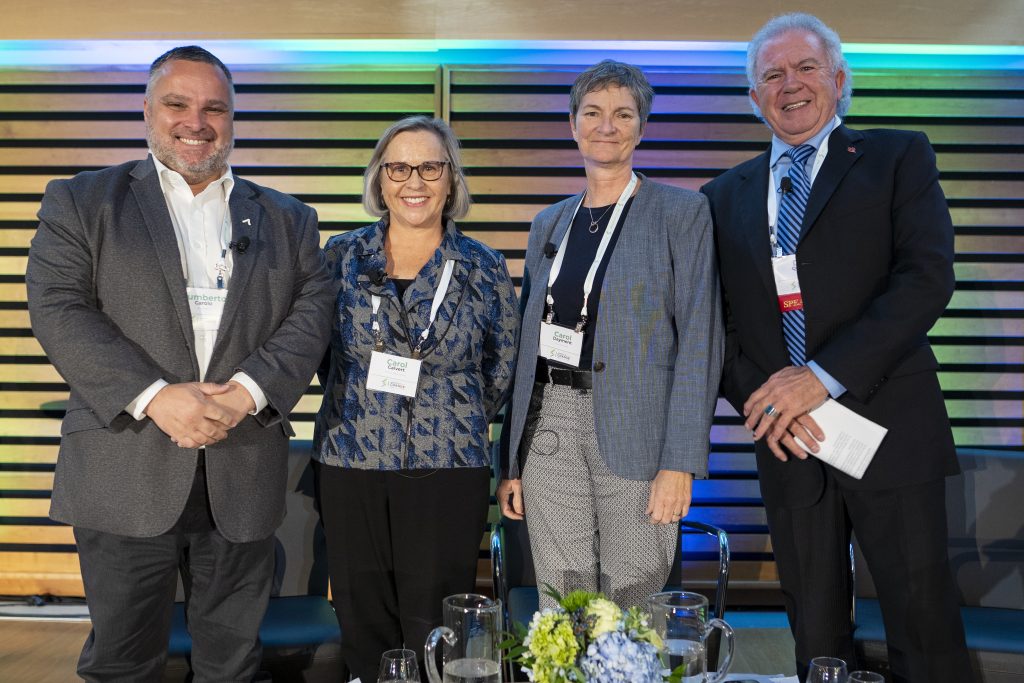
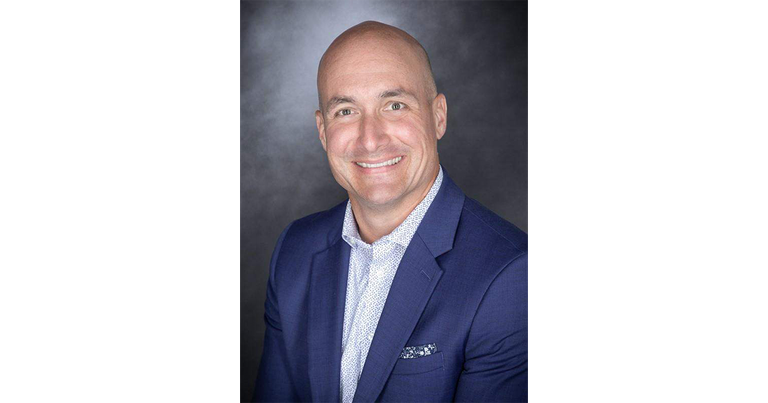
(Photo by Peter Power)
Managing Points of Resistance
ESA approached resistance to DEI from an analytical perspective. They wanted to better understand the root cause and approach it at that level, “as opposed to dealing with the symptom,” Calvert said.
Fear of change/unknown was the top factor, the second part was ‘the sense that they’ve done something wrong and the need to assign blame,’ the third piece they heard was, ‘that doesn’t happen here.’
Based on that information they pivoted their approach in terms of the types of conversations they were initiating.
“We tried to come at all of our work from a place of inclusion and belonging for all, and a sense of, let’s not talk about blame, let’s talk about continuous improvement. One analogy we used that we found particularly relevant within our culture was a parallel with the electrical safety code of Onatrio. Just like the electrical safety code, we’re evolving, we’re changing, we’re getting better, we’re learning smarter ways, we’re identifying harms, we’re addressing and confronting harms, and we’re removing harms,” explained Calvert.
“Those approaches have been quite effective and successful and allow us to really shift the conversations. At the same time the other piece of this, which we’ve been really focused on, is the accountability.”
That wanted to come at with inclusion and belonging for all – not focusing on blame but solutions. While also holding people accountable.
“Holding that bar where it needs to be, so that everyone understands,” said Calvert. It’s something that is really important to developing an inclusive culture. Which means engaging in tough discussion and not hiding from them, when someone isn’t honouring inclusion, you need to push back.
There is resistance, Calvert said, but they are seeing progress in their organization.
Dayment spoke to structural challenges with respect to points of resistance. Their teams are generally dispersed in the field, working in small groups.
Dayment said they made an effort to find natural allies, people who were already inclined toward diversity and inclusion, and amplify their voices. “Breaking through the barrier of that workplace,” Dayment said, is a challenge. It was important for them to identify allies because employees in operations can find it difficult to reach outside of their workplace culture, which is generally smaller groups of people.
Sharing lived experience is important, change often happens one person at a time.
For Quigley, as an adjudicator, it is critical for him that hearings provide a safe place. The complainants, witnesses, or the griever need to be provided a safe environment so they can speak honestly.
“If there’s issue around privacy for instance, or if there’s issues around testimony that might incriminate others,” explained Quigley, in which case testimony can be given in-camera, for example.
Creating allyship with mediation that will go outside the case at hand. Which means addressing underlying issues in the corporate structure. Putting in infrastructure to support diversity, equity, and inclusion, like memorandums of understanding, developing diversity and equity committees, developing glossaries on terms of diversity, gender, and identification, “these are things you can work on in the context of an allyship in mediation.”
Similar to ESA’s approach, Quigley explained that within mediation, it’s important to address the underlying, structural issues within an organization. Rather than dealing with the symptom you need to look at some of the root causes.
Partnerships with the unions are important to address these types of issues. The unions also have desire to move toward diversity, it’s about how you get to that point and having those discussions to find a solution, Quigley explained.
Ultimately, the panelists were hopeful with respect to their outlook on diversity, equity, and inclusion and changing workplace culture. There is still a lot of work to be done, they conceded, but they are seeing the cultures in their organizations shift with the work that is being done.
We need to continue that work, and evolve our approach as we continue to learn and experience what it means to be inclusive.