Schneider Electric Launches Chapter 3 of Sustainability School

July 4, 2025
Schneider Electric, the leader in the digital transformation of energy management and automation, has launched Chapter 3 of its online Sustainability School, a free training program designed to empower its channel ecosystem partners to become leaders in sustainability.
This chapter will focus on teaching businesses how to decarbonize and unlock the competitive benefits of sustainability through electrification and digitalization. With research showing that failing to adapt to physical climate risks could lose up to 7% of annual earnings by 2035, the urgency for corporate climate action is clear. Chapter 3 addresses this challenge head-on, offering actionable insights to help organizations stay resilient and profitable in a rapidly changing world.
The Sustainability School, first launched externally in 2023, offers interactive courses focused on helping organizations improve their sustainability performance. The three-part program addresses the growing need for accessible, actionable training on key sustainability topics. Chapters 1 and 2, already available, cover the fundamentals of sustainability and the steps companies can take to build and implement a decarbonization strategy.
Chapter 3 specifically explores how businesses can drive decarbonization through enhanced energy efficiency, carbon footprint reduction, and the strategic advantages of sustainability. It presents customized roadmaps for key sectors, including:
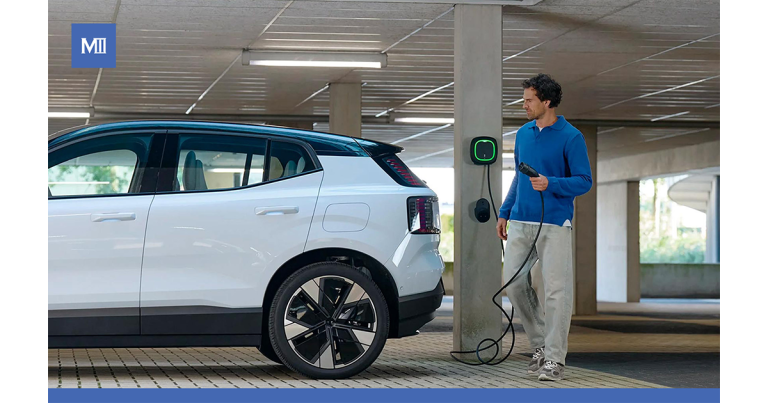
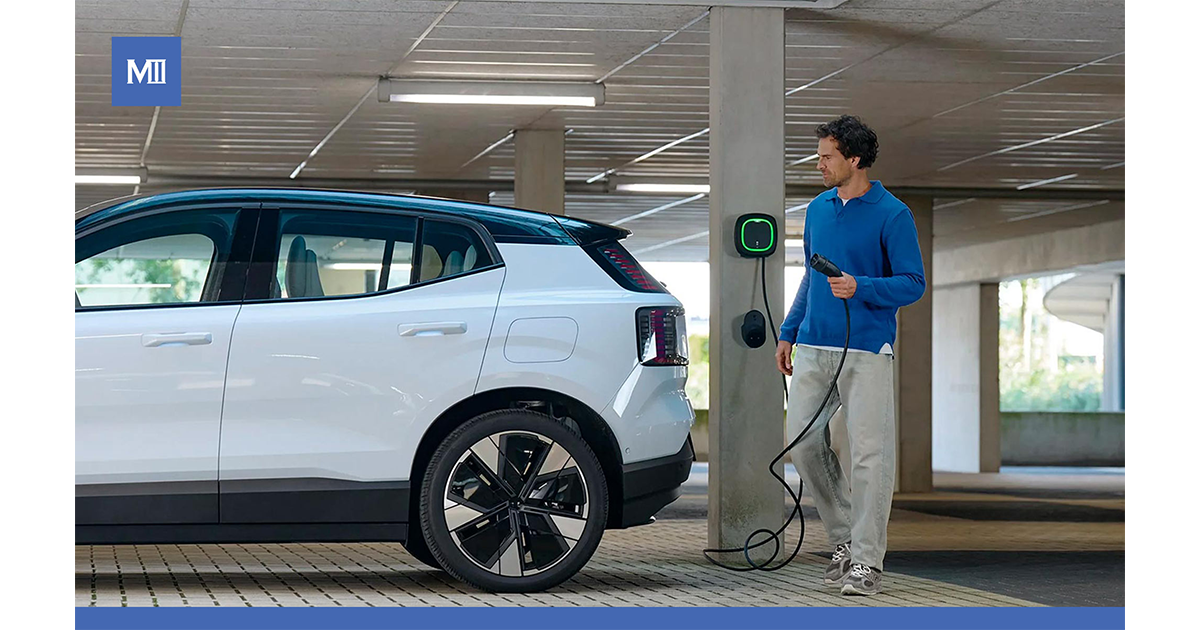
- Power and Buildings: Strategies to limit embodied carbon; tools to measure, monitor, and reduce energy use and emissions through automation; electrification of transportation; modernization of building systems and electrical infrastructure; and deployment of onsite renewable energy.
- Information Technology (IT): Leveraging digitalization to collect sustainability data and drive decarbonization through innovative technology solutions.
- Residential: Reducing home carbon footprints with energy-efficient upgrades, enabling prosumer capabilities, and advancing sustainability in multi-dwelling units (MDUs).
- Industrial Automation: Establishing sustainability foundations, implementing variable speed drives (VSDs) and motor management platforms, and designing sustainability-oriented system architectures.
This chapter introduces practical tools and solutions that make sustainable transformation both tangible and mutually beneficial for businesses and their customers. It serves as a launchpad for improving business performance and turning sustainability into a competitive advantage.
“I’m proud to launch the next chapter of our Sustainability School, a very important milestone that finally brings it all together,” said Sorouch Kheradmand, Head of Partner Sustainability, Schneider Electric.” In our ongoing commitment to empowering partners and customers on their sustainability journeys, this chapter will give them the insights and tool to practically enable sustainability in their organization and to their customers.”
“As the world becomes more digital and electric, our partner ecosystem is uniquely positioned to address today’s energy challenges,” said Frederic Godemel, Executive Vice President of Energy Management, Schneider Electric. “Every business, regardless of size, has a vital role to play in the energy transition. We aim to help them turn sustainability into a competitive edge—combining environmental and economic sustainability to thrive in a fast-changing world.”