Improving Arc Flash Prevention and Safety
November 14, 2016

By Steve Sullivan

Working among the electrical components in an enclosure comes with inherent risks. The power in any one enclosure can range from 2kw up to 200kw depending on the power density. One of the most common and dangerous risks is an arc flash (or flashover).

When an explosive release of energy erupts from a phase-to-phase or phase-to-ground arc fault, the results range from devastating to deadly. This air to ground electrical explosion is a critical concern.

The destructive force of an arc flash

The dangers from an arc flash are all too well known. When metal expands and vaporizes at the fault, it causes extreme heating of the air, upwards of 10,000°C/18,032°F. The concussive pressure wave can knock personnel off their feet; the ultraviolet light flash can cause blindness; the sound blast, deafness; and the molten metal and heat can cause second and third degree burns. The specific death toll has been estimated to be up to 1-2 people every day worldwide.

An arc flash can result from unsafe work procedures, accidental contact, or more systemic problems such as corrosion of components and connections or insulation failure. Arc flash prevention should be incorporated into any application from the beginning of the design process.

Minimizing arc flash exposure

Design and retrofit approaches can limit exposure by using components installed outside the enclosure to permit qualified personnel in personal protective equipment (PPE) to service equipment inside without opening the enclosure door. Interface flaps and window kits permit data retrieval, equipment monitoring or routine maintenance to be performed from outside. Collapsible fold down shelves be raised for use with laptops and monitoring equipment. External data pockets can hold wiring diagrams, operation manuals and other documents.

Arc flash protection

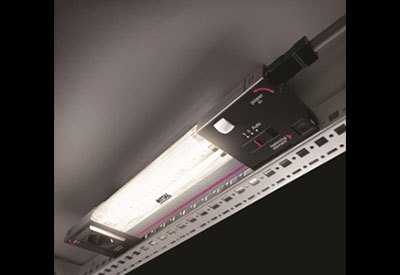
Sometimes components must be accessed from inside the enclosure. For example, Rittal’s arc flash solution keeps high and low voltage equipment within the confines of their own respective enclosures. Low voltage enclosures house equipment that is used for programming, data acquisition and system adjustment.

High voltage components are isolated within their own disconnect enclosure, while line side power is segregated within the power isolation enclosure. A partition wall acts as a barrier to high voltage line side power. An interlocking door system ensures that the high voltage enclosure cannot be opened while the disconnect switch is in “ON” position.

For additional safety, all interlocked doors and master door must be closed in order to re-energize the enclosure. This removes potential for accidental contact with the inline power when the disconnect enclosure is put in a safe power-off position, and locked and tagged out.

Minimizing exposure to line side power can help protect personnel from accidents. A qualified person wearing PPE and following appropriate safe work practices can perform visual inspections and tasks, such as diagnosis, testing, troubleshooting and voltage measurement with the door open even when the main enclosure is energized.

Safety is always your priority, so download Rittal’s Arc Flash and How to Prevent it free whitepaper for the first step towards arc flash prevention: http://info.rittalenclosures.com/arch-flash-lp-0.

Steve Sullivan is a training manager with Rittal. This article was first published online as a blog: http://blog.rittalenclosures.com/blog/author/steve-sullivan-training-manager.

 

Related Articles


Latest Articles

  • Mastering Advanced Bidding Strategies in Electrical Contracting

    Mastering Advanced Bidding Strategies in Electrical Contracting

    December 1, 2025 By Melvin Newman, Patabid CEO & Ian Paterson, Patabid Client Success Manager and journeyman electrician with 30+ years of experience In the competitive world of electrical contracting, knowing how to estimate electrical jobs effectively can make the difference between winning profitable projects and watching opportunities slip away. For electrical contractors, mastering advanced… Read More…

  • Why Choosing the Right USB Charger Matters

    Why Choosing the Right USB Charger Matters

    December 1, 2025 Not all USB Chargers are Created Equal As the number of devices used daily increases, so does the need for a charger that delivers safe speeds and maximum charging potential. A high-quality USB charger delivers efficient charging without risk of damage, but the sea of USB chargers and outlets available on online… Read More…

  • How Homebuilding Incentives Can Pay Off for Cities, Homeowners and Local Economies: New Concordia Study

    December 1, 2025 A new study from Concordia University’s John Molson School of Business finds that improving housing affordability isn’t just a social good — it’s an economic growth opportunity. Build and Benefit: How Homebuilding Incentives Can Pay Off for Cities, Homeowners and Local Economies reframes housing policy reform as a sustainable fiscal growth strategy, demonstrating meaningful… Read More…

  • The Importance of HazLoc LED Lighting for Safe Workplaces

    The Importance of HazLoc LED Lighting for Safe Workplaces

    November 30, 2025 By CSC LED In Canada’s industrial lighting sector, one of the most critical yet often overlooked safety components is lighting designed specifically for hazardous locations, otherwise known as HazLoc (hazardous location) LED lighting. For workplaces dealing with flammable gases, vapours, combustible dust, or ignitable fibres, standard LED fixtures simply don’t cut it…. Read More…


Changing Scene

  • Skills Ontario Celebrates the Expansion of Trades & Tech Truck Program

    Skills Ontario Celebrates the Expansion of Trades & Tech Truck Program

    December 1, 2025 Skills Ontario is expanding its fleet of Trades & Tech mobile unit thanks to support from the Ontario Government. The government announced this morning it’s investment in Skills Ontario to expand experiential opportunities for Ontario’s future workforce.    “Ontario’s future relies on a strong, skilled workforce,” said David Piccini, Minister of Labour, Immigration,… Read More…

  • BC’s Canadian Mutual Recognition Agreement aims to Facilitate Interprovincial Trade

    BC’s Canadian Mutual Recognition Agreement aims to Facilitate Interprovincial Trade

    December 1, 2025 A new agreement signed by all provinces, territories, and the federal government will break down interprovincial trade barriers, making it easier for B.C. businesses to sell products across Canada, and for people to buy Canadian-made goods.   “When threats to Canada’s economic security land at our doorstep, we’re at our best when we work together as… Read More…

  • EB Horsman’s Commitment to Giving Back – A Year in Recap 2024/2025

    EB Horsman’s Commitment to Giving Back – A Year in Recap 2024/2025

    December 1, 2025 EB Horsman Cares is the company’s community engagement program that supports local children’s hospitals, communities, and non-profit initiatives with donations, fundraising, volunteering, and scholarships.  Since 1993, BC Children’s Hospital has been the primary recipient of EB Horsman & Son’s fundraising. However, as EB Horsman has continued to expand its businesses across Western… Read More…

  • Build Canada Homes Introduces Policy Framework to Guide its Investments in Affordable Housing

    Build Canada Homes Introduces Policy Framework to Guide its Investments in Affordable Housing

    December 1, 2025 Central to that work, the Government of Canada is stepping up with the recently launched Build Canada Homes, new federal agency with a mandate to scale up the supply of affordable housing across Canada. Build Canada Homes will also help fight homelessness by building transitional and supportive housing – working with provinces,… Read More…