The New Normal in Canada’s Wire Cable Industry
September 13, 2021
By Jerome Leroy – VP, North America, Buildings & Territories
In just 18 months, our industry has seen businesses locked down and borders closed. Lead times have grown from weeks to months and orders have been cancelled. Copper prices have nearly doubled and continue to increase. We’ve seen an increasing number of extreme weather events, for instance Texas shut down by cold weather and British Columbia hit by record heat. And, of course, the pandemic has affected every economy in the world.
Make no mistake: these events characterize a new normal where, we believe, we’re seeing the emergence – and acceleration – of two widescale trends. The first is supply chain disruption. The second is the rise of Corporate Social Responsibility (CSR).
Supply Chain Fear Factor
These days, lucky are the purchasing directors who are not facing supply chain challenges – raw materials for manufacturers, finished goods for distributors and installers, and volatile pricing for both. There are several reasons for this:
- Raw material shortage: Beginning with copper, several key wire cable components have been hard to find this year (PVC, aluminum, wood, etc.). The reality is that COVID has accelerated a long-term trend of copper production contraction, with mines closed for several weeks. Snow in Texas and the recent Hurricane Ida have also had a negative impact on production of plastic compounds (and to some extent on copper production as well).
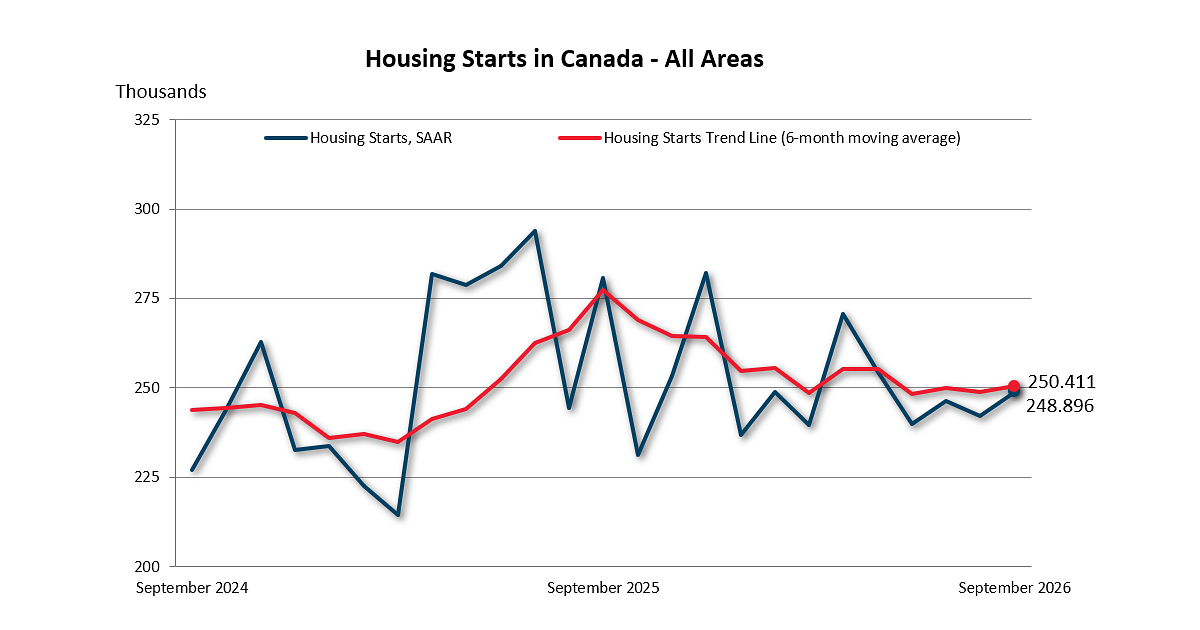
- Market demand surge: While manufacturers and distributors with low inventory levels were recovering from COVID shortages, construction sites began reopening. Pandemic economic response plans provided incentives while good weather and the flux of people moving from urban to suburbs, smaller towns and rural areas only increased demand. From residential to commercial applications, our industry is processing volumes of cable we have not seen in years.
- Manufacturing limitations: In addition to stresses on raw material and labour, the Canadian market has been impacted by the US market recovery. American high demand combined with unusually high margins have pushed some manufacturers to momentarily step out of Canada to focus on US demand.
These events may or may not happen again, at least not at the same time. Copper prices are, however, likely to continue growing. As Goldman Sachs explained in a December 2020 report, we are currently at a peak in copper production that will decline for at least the next 20 years, while demand driven by cables, batteries, etc., will continue to grow. What’s more, unexpected weather events have and will keep happening – bigger and more frequently if we listen to environment experts, which will contribute to cause disruptions.
CSR and Climate Change
Until recently, ‘CSR’ meant Customer Service Representative to most businesses. While more top of mind in Europe until recently, Canadian companies are catching up on Corporate Social Responsibility (CSR). One reason for increased awareness: large corporations are being pushed to work on and publish their Environmental, Social and Governance (ESG) reports, because more investors, like Black Rock, are taking carbon emissions into account when investing.
Another reason? Companies are feeling the rise of CSR-related challenges locally – in particular companies like utilities, committed to carbon neutrality. In the years ahead, manufacturers will need to redefine their way of doing business and find a way to emit less CO2, directly or indirectly. The same goes with public buildings that require LEED certification, which will in turn pressure manufacturers to address their carbon impact. Beyond CO2, several utilities are focusing on community issues — like local employment – in their ESG reports and supplier evaluations.
There are even more CSR-related changes to come that will impact businesses in Canada. Two examples: a potential Green New Deal in the US that radically accelerates CO2 emission cuts by 2030 and would likely force Canada to follow suit. And a Dutch court ruling that requires the global oil and gas giant Shell to cut CO2 emissions generated by both its oil and gas and oil products production, which could put the same pressure on carbon-intensive Canadian companies to comply. In the cable industry, Europe has made good progress in calculating and benchmarking CO2 emissions of cables, while requiring manufacturers to continually monitor environmental regulations (e.g., REACH, RoHS) for allowed materials and ensure they comply. Finally, with recent events in British Columbia, and Canada experiencing the second fastest growing average temperature globally, heightened political and legal pressure are just around the corner even without international action.
Embracing These Trends
It’s a new world Nexans is already preparing itself, its clients and the industry for. Last year, we announced that we would focus on service quality, dedicating most of our capacity to top customers. We also reinforced the integration of our operations with our Montreal Copper Rod Mill to sharpen operations. This has proven to be the right decision, allowing us to ensure business continuity with all our clients.
In the meantime, we are paving the way to a CSR-compatible way of doing business. Leveraging the experience Nexans built in Europe, we are already reducing our carbon footprint and we built a roadmap to lead us further. And we are engaged with our key suppliers and clients to do more.
As an active member of the Canadian community for 110 years, we have seen, supported, and led some of the biggest changes in our industry. We are eager to embrace these latest trends and challenges, together with our partners.