Industry Leaders Head to Quebec to Strengthen Energy and Supply Chain Resilience

June 9, 2025
By Electro-Federation Canada
On June 3 and 4, a high-level delegation from Canada’s electrical and automation sector travelled to Montreal and Quebec City for a series of strategic meetings with Quebec government officials and key stakeholders. Organized by Electro-Federation Canada (EFC), this mission underscores the critical role the industry plays in advancing Quebec’s electrification modernization, strengthening local supply chains, and supporting sustainable economic growth.
The delegation includes senior representatives from Schneider Electric, Guillevin, ABB, Franklin Empire, and EFC. The agenda included meetings with Hydro-Québec, the Ministère de l’Environnement, Ministère de l’Économie, Ministère des Transports, the Urban Development Institute of Quebec, and members of the Official Opposition at the National Assembly.

At the heart of the discussions is a call for greater collaboration between government and industry to secure access to essential resources that are required to power Quebec’s clean energy future. From critical minerals like copper and aluminum to complex components such as transformers and switchgear, demand is surging, and global supply chains are under strain. Quebec faces growing lead times and intensifying global competition, putting at risk its ambitious modernization goals.
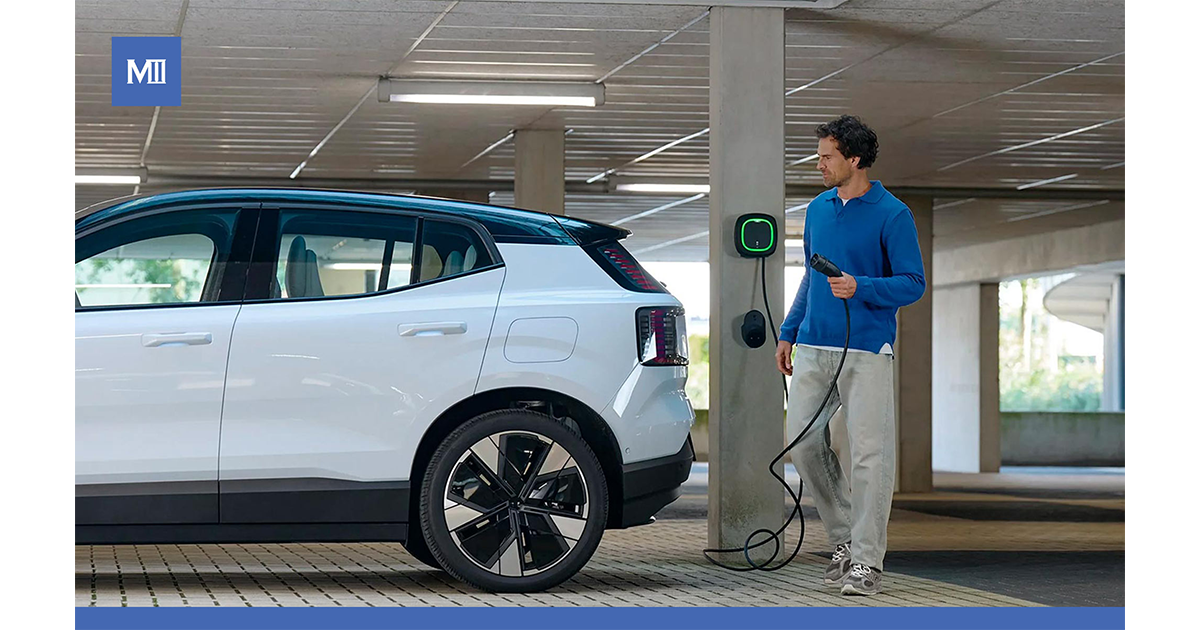
EFC is presenting a clear message: Quebec’s success in the energy transition depends on strong domestic manufacturing, robust infrastructure, and a resilient North American supply chain. The industry stands ready to deliver. With advanced smart grid solutions, energy storage technologies, EV charging infrastructure, and deep expertise in electrification, EFC members are well positioned to help modernize Quebec’s grid, optimize energy efficiency, and improve system reliability for businesses and residents alike.
The delegation will also promote the concept of “Energy as a Service,” flexible technology partnerships, and new models for demand response—all designed to ease pressure on the grid and meet growing electricity needs. Additionally, industry leaders will encourage government to consult the sector on critical infrastructure initiatives and to support investment mechanisms that build capacity and drive innovation in Quebec.
This mission is a powerful reminder that industry is not only a supplier of equipment, but a strategic partner in shaping Quebec’s energy future. Through collaboration, innovation, and a shared vision, Quebec can secure its position as a leader in electrification—and ensure that the jobs, technology, and investment stay right here at home.